

Aissatou Diallo
@iceatwodiallo
aissatou.diallo@columbiaspectator.com
Latest articles

Juan Abreu, parent coordinator at P.S. 145 The Bloomingdale School in Manhattan Valley, never expected his role to become as large as it has in the past few weeks. While he was once responsible for welcoming students into school in the mornings and supporting parents with technology concerns, Abreu now serves as a guide for Spanish-speaking families who have recently immigrated to the U.S. and are navigating the city.
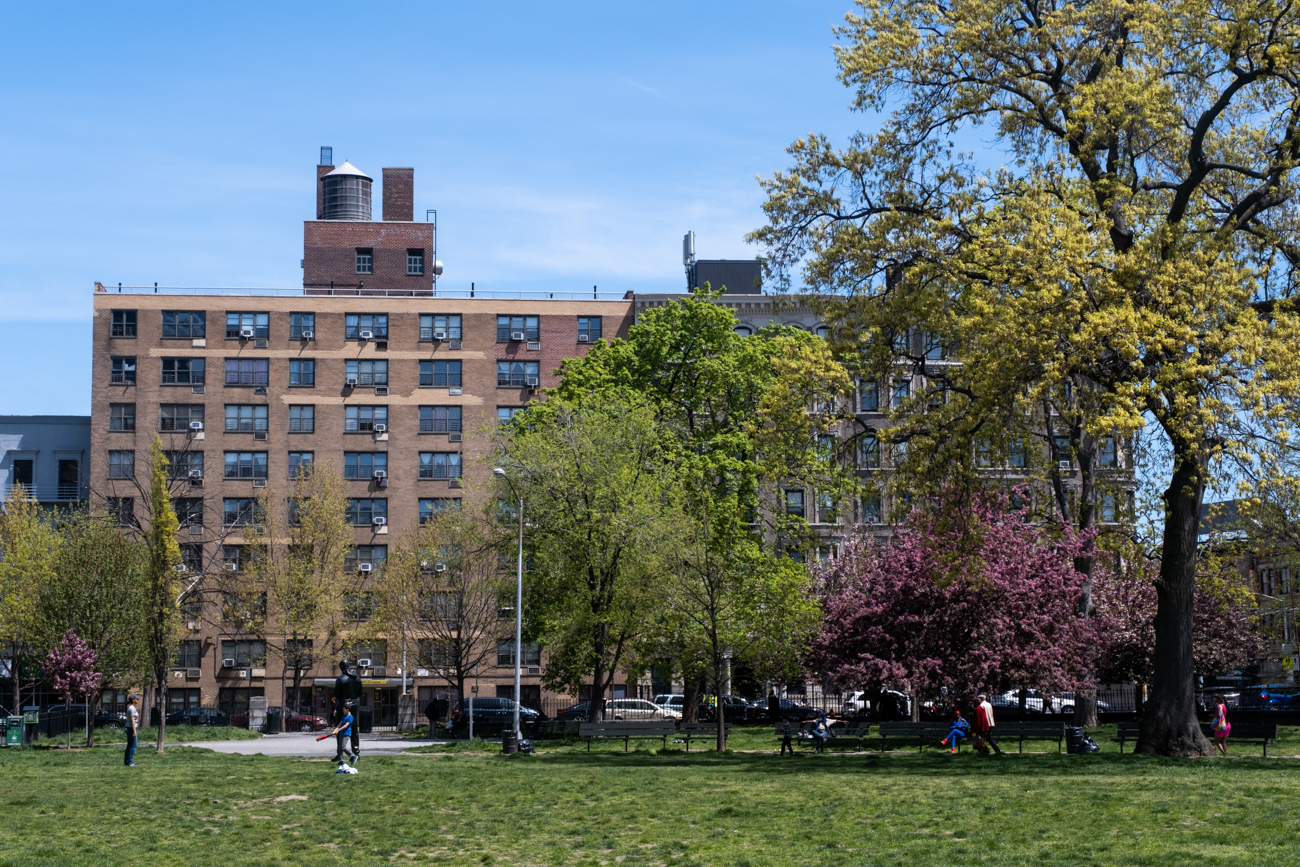
Tents, tarps, and mattresses are among the materials used by many New Yorkers experiencing homelessness to create makeshift homes for themselves. Yet, the fate of these homes is now unclear, as New York City Mayor Eric Adams has announced a new commitment to eliminating homeless encampments throughout the city. This initiative has raised concerns about the plan’s potential to displace homeless people.

A walk-through of some New York City Housing Authority apartment complexes, for Manhattan District 9 Councilmember Kristin Richardson Jordan, reveals what many tenants and community members already know to be true: The lack of maintenance and hygiene renders some of these apartments unsafe for living.
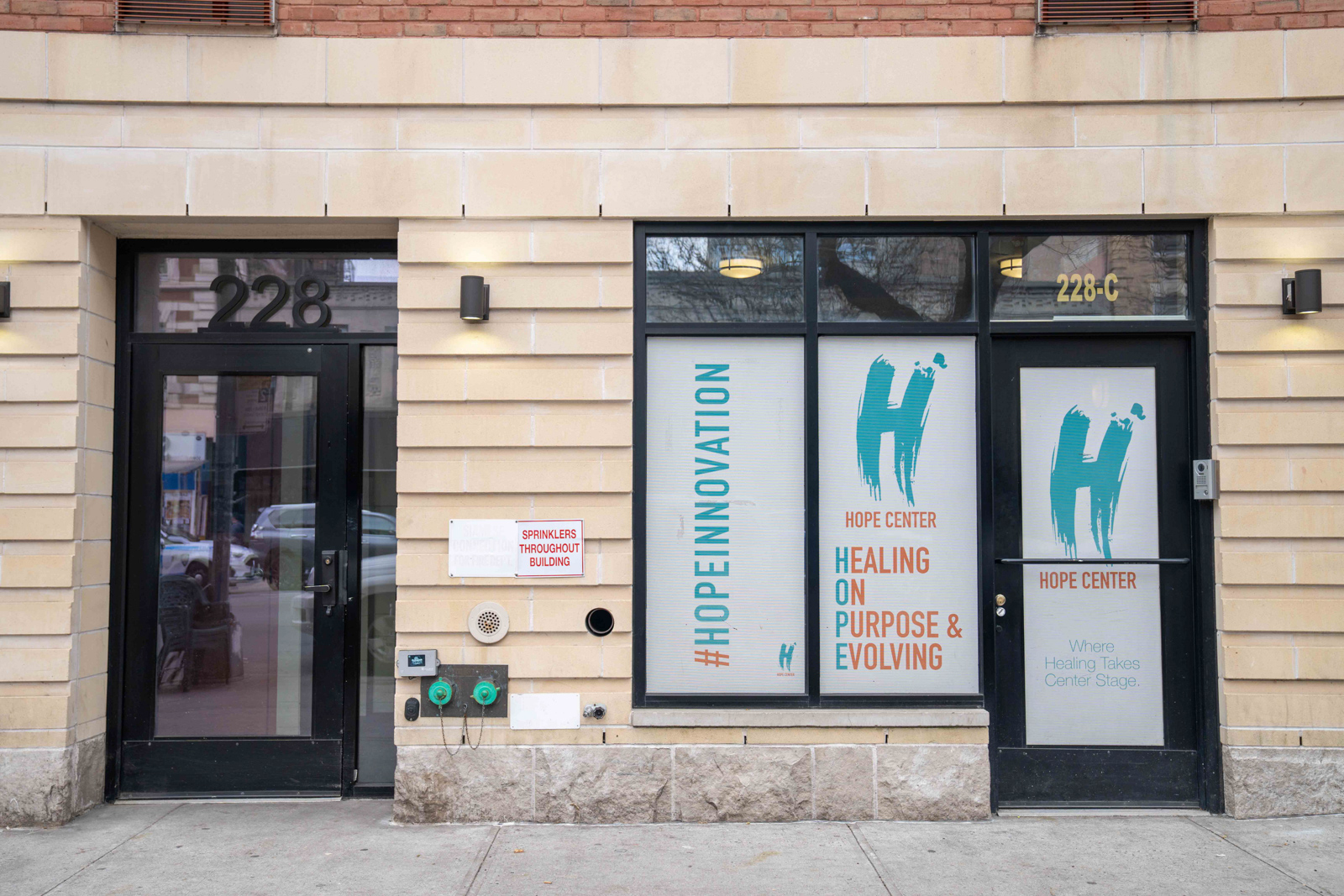
The HOPE Center Harlem, founded by Senior Reverend Michael Walrond, has been providing free mental health treatment, counseling, and programming to Harlem residents since 2016. The center began out of the First Corinthian Baptist Church as a result of community members seeking informal counseling from the church. Now, six years later, Dr. Lena Green, the current executive director, and Reverend Walrond have expanded the center to offer therapeutic practices from licensed clinicians to members of the congregation.
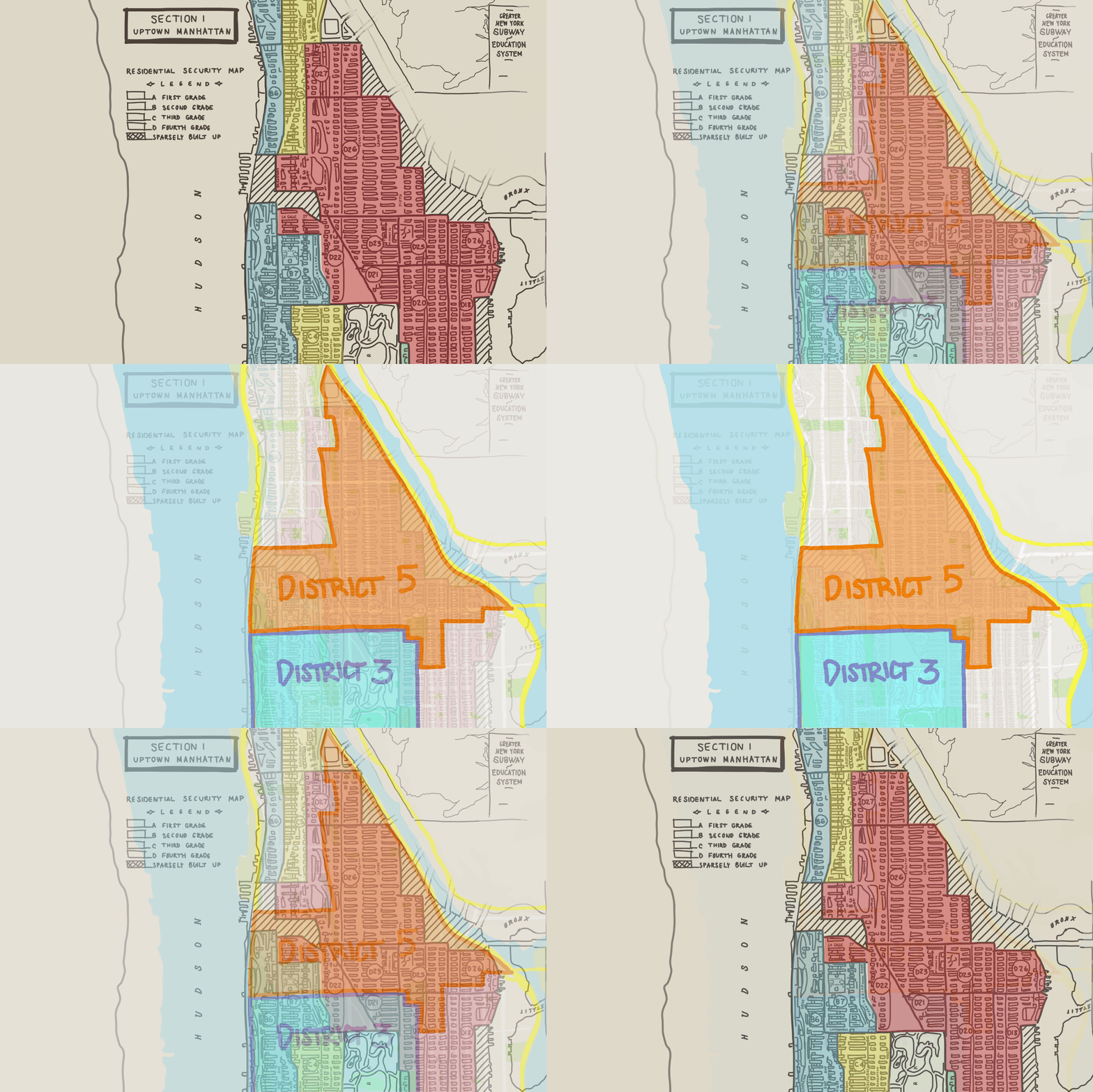
Crystal, a Harlem resident who asked to be identified only by her first name, first noticed that school quality varied throughout her neighborhood when she was a middle schooler. After becoming an educator at a charter school in Brooklyn, she became more aware of the disparities between schools, from the beauty of the facades to the content of the curricula.

After early success with fewer people going to hospitals and more people accepting assistance, New York City’s pilot mental health program, the Behavioral Health Emergency Assistance Response Division, expanded its reach to West Harlem’s 26th and 30th precincts in November. However, residents question how the program will impact West Harlem in the long-term, given the community’s history of policing residents’ mental health crises.