

Ana Carpenter
Deputy Arts & Culture EditorColumbia University Class of 2026
ana.carpenter@columbiaspectator.com
Latest articles
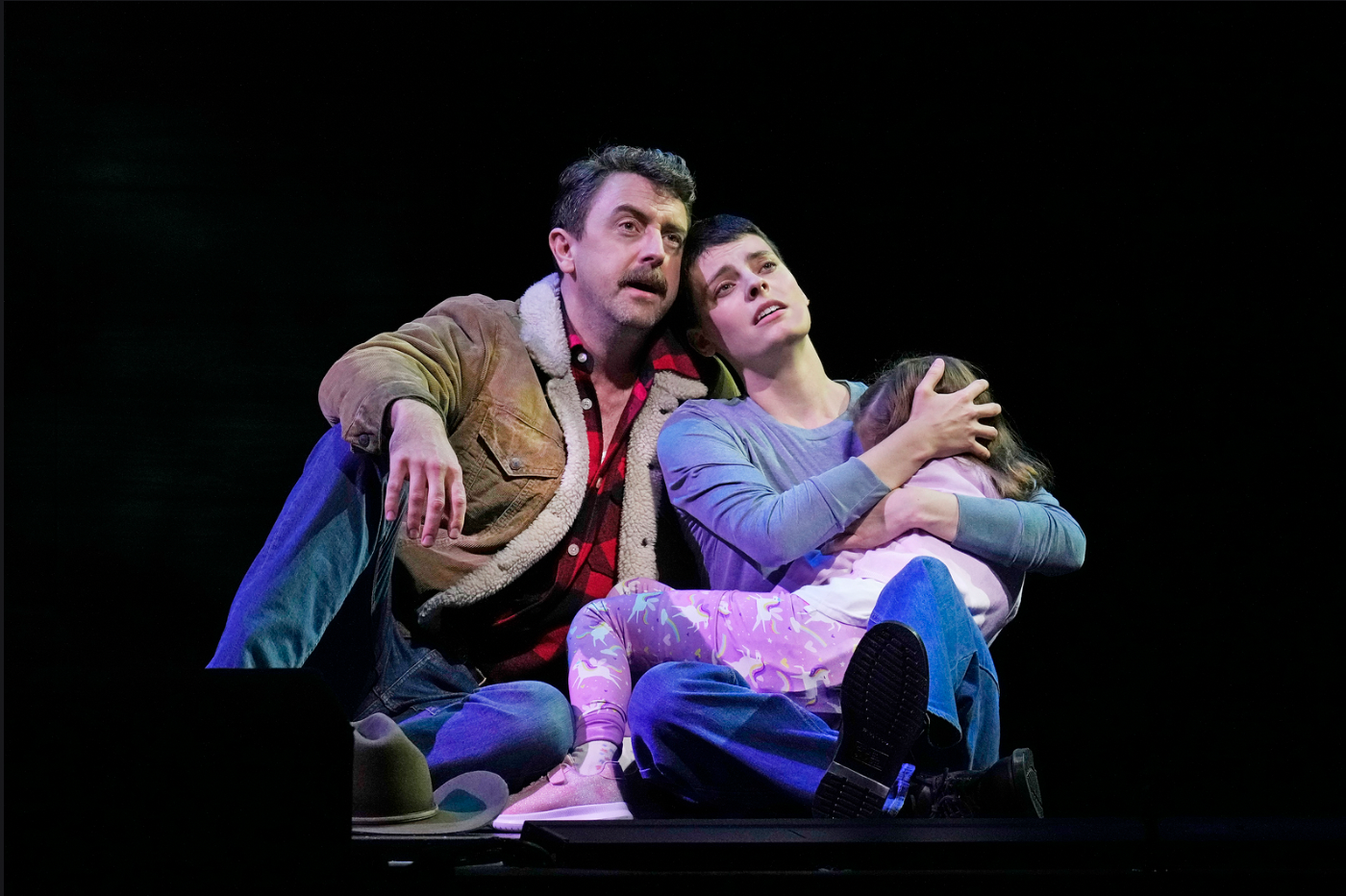
In “Grounded,” a new opera composed by Jeanine Tesori, BC ’83, and based on a play by George Brant, drone technology brings faraway wars uncomfortably close to home, and the ever-elusive promise of work-life balance becomes a nightmarish fever dream.

The main storyline of the 130th Varsity Show, entitled “Mayday,” features a group of students who become isolated in the middle of the woods after their Shafik Air plane loses both of its wings and crashes. Far from Columbia with no one but each other for company, they discuss ways to improve campus life. It’s telling that these discussions go nowhere.
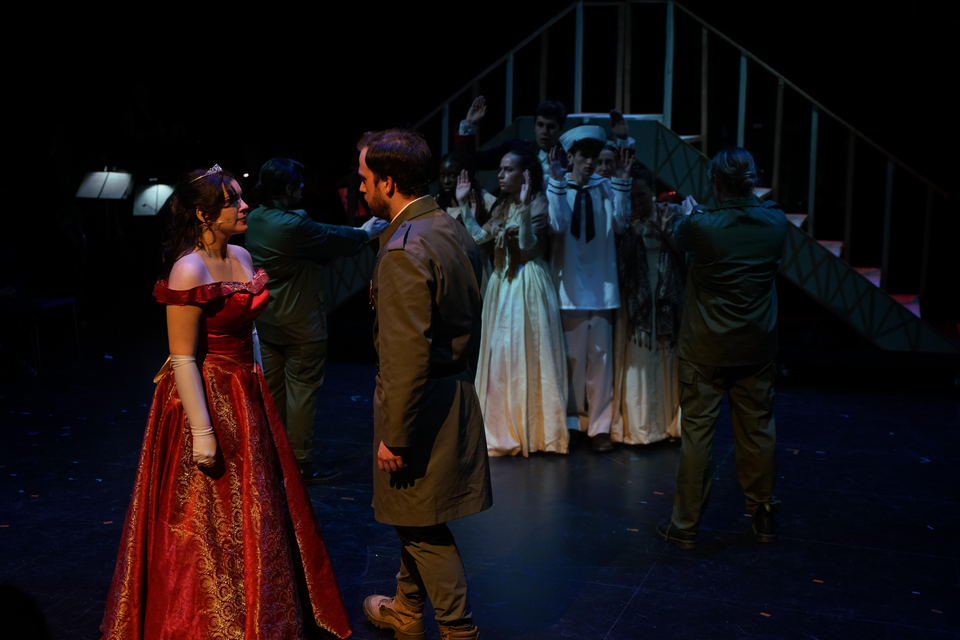
There is perhaps no missing persons case more famous than that of Anastasia, the Romanov grand duchess whose contentious identity inspired numerous works of historical-ish fiction. She is famous because of her ambiguity: Her status as more of a cipher than a fully-fledged person lends her an air of glamour and seduction. Anastasia is interesting because she lacks identity. Her name is familiar but vague, evoking a hazy image of a beautiful, mysterious, and lavishly wealthy woman who blurs out of focus the moment you get too close. But that’s the whole point: Anastasia could be anyone.
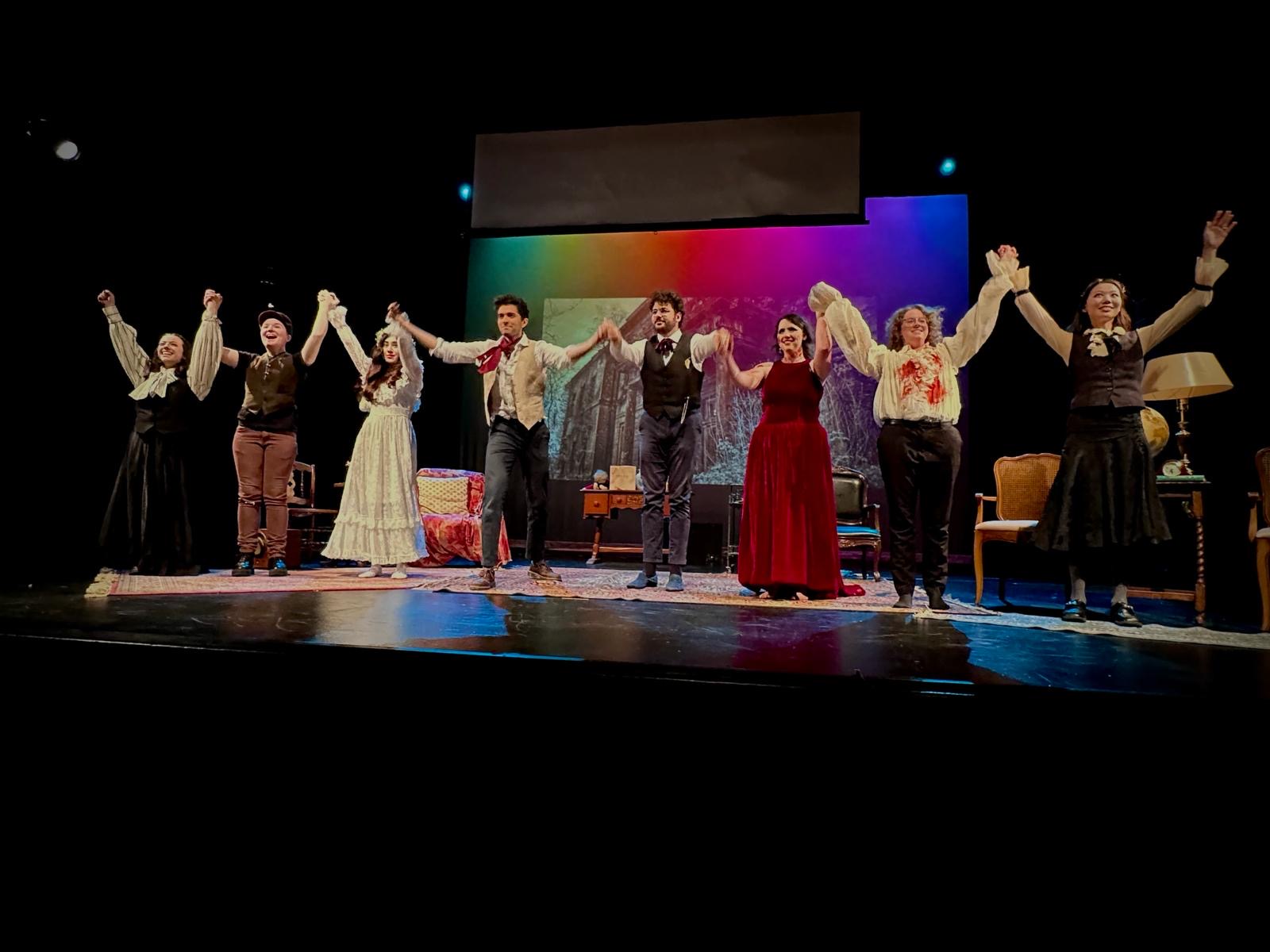
When it comes to dysfunctional family tragedies, it’s hard to beat Greek mythology, especially if you like your dysfunction served with a side of cannibalism. “Mangled House” offers not one, but two Greek tales of family drama turned bloody. Unfortunately, the final product is less tantalizing than the sum of its parts.

“Hummingbirds” opens with Silvia and Estefania, two close friends living in Laredo, Texas, lying on top of a car that isn’t theirs and looking up at the stars. The car alarm goes off, and they run, screaming and laughing, down the sidewalk. Although they don’t know it yet, this is the last summer they will spend together.

Being 13 years old is complicated enough on its own. When you add dance competitions, a cruel dance teacher, and the dream of making it to nationals in Tampa, Florida to the mix, the results can be downright demonic.

Walking into the sleek, modern lobby of Harlem School of the Arts, located on St. Nicholas Avenue and 141st Street, a visitor might be struck by the expansive hardwood floors and floor-to-ceiling windows facing the street. A couple of abstract paintings add a splash of color to the bright, airy space. Here, performing arts education is a pursuit that matters deeply.

Franz Kafka’s short story “A Hunger Artist” features a man who starves himself in a cage before a group of sometimes intrigued, sometimes bored, sometimes frustrated circus attendants. In the stage adaptation of “A Hunger Artist” by Yibin Wang, SoA ’24—with performances Feb. 8 through Feb. 11 at Lenfest Center for the Arts—Kafka’s cage is translated from the original physical cage into something much more contemporary: a social media livestream.
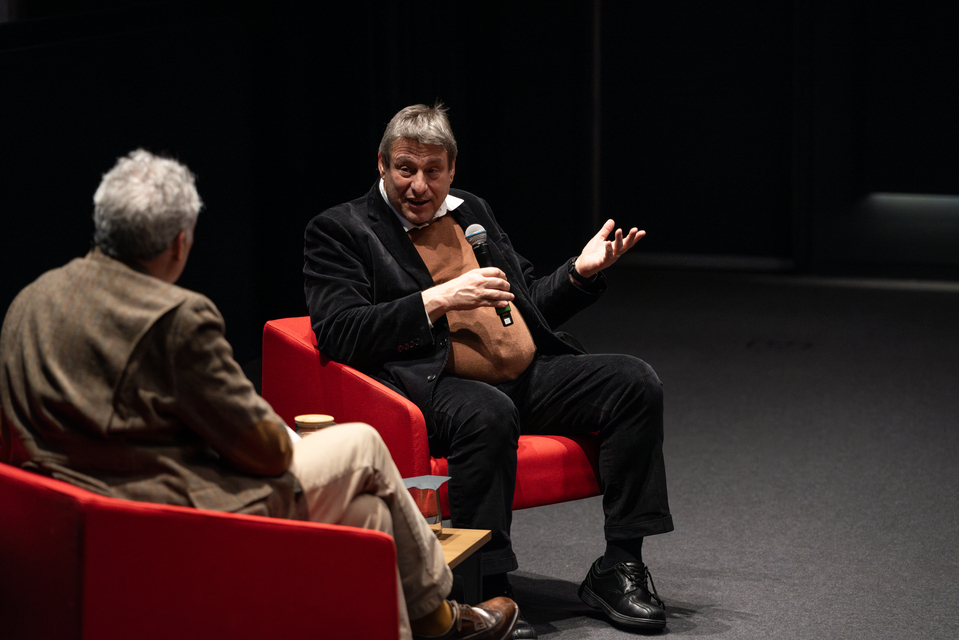
Columbia film and media studies professor Richard Peña acknowledges that film culture is changing, and not necessarily for the better. Even so, he maintains optimism for the future potential of cinema.

The opening number of Columbia Musical Theatre Society’s “Next to Normal” sees Diana, a determined, if slightly neurotic, mother lead her husband and two children through the beginning of a new day. Together, the family members form an idyllic middle-class household: a mom, a dad, a son, and a daughter. But by the end of the number there are slices of sandwich bread scattered across the floor, the remnants of Diana’s failed attempt to prepare family lunches. The moment is equal parts comical and sad.