

Caroline Somers
Spectrum Staff WriterLatest articles

The Chamber of Columbia Conspiracies has been opened. Enemies of the heir… beware.

We’re almost at spring break, which means no classes, beach trips, sleeping in, and traveling. Whatever your mode of transportation might be––plane, train, car, subway, or even the comfort of your own bed––you’re probably going to find yourself with some hours when there’s nothing to do. You’ve already completed the Wordle and the New York Times mini crossword. The following activities might not radically improve your free time, but they will definitely make your spring break more interesting. Remember, you’re on break! Chill out for a little. Don’t read this article if you’re intending to seek some major inspiration. It’s just about as valuable as a Federalist article, except we don’t have to give you stage cues on when to laugh.
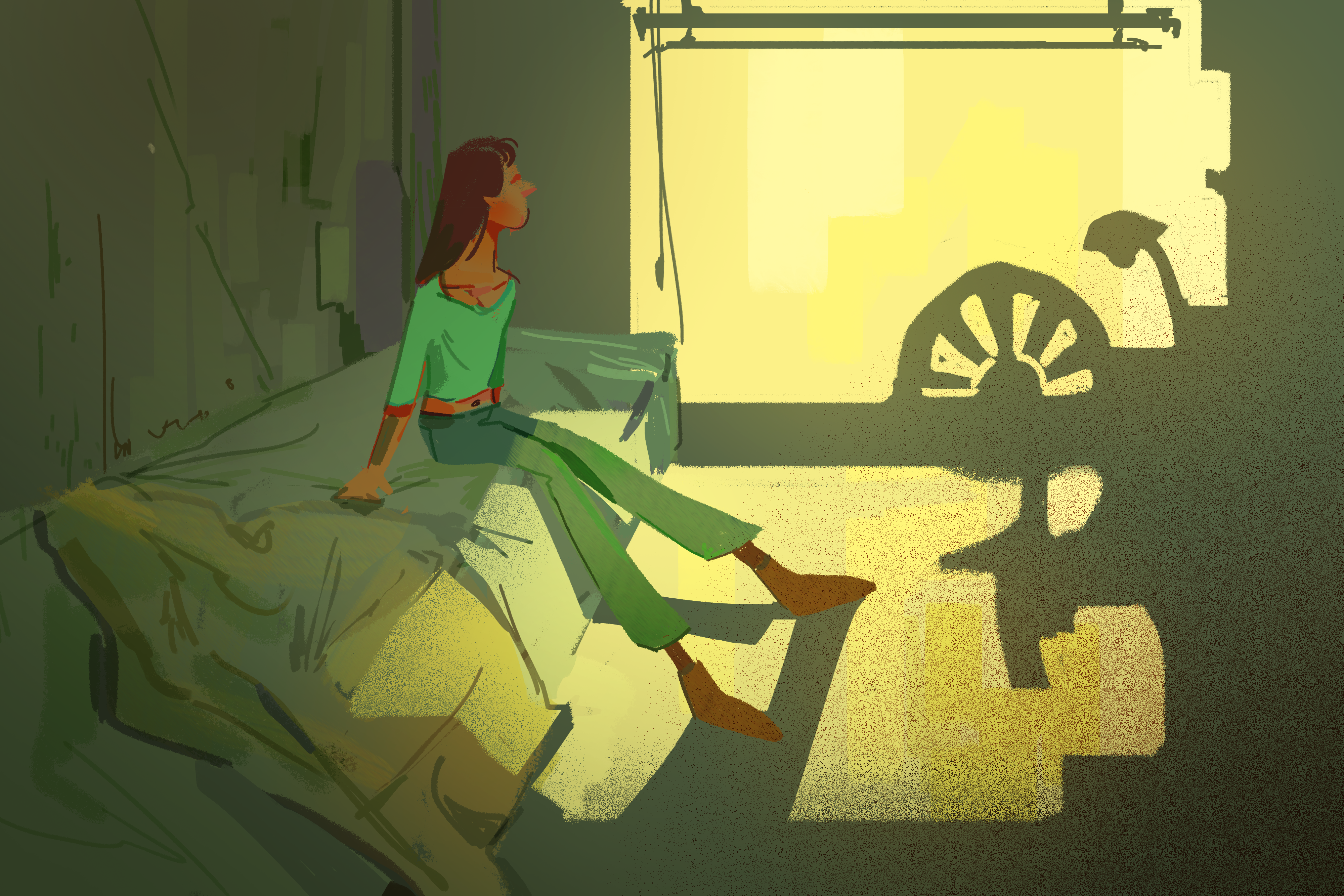
Moving into Columbia as a first-year in August was not a graceful experience. I spent the first four days crying in my room, feeling disconnected, and believing that I would never be able to make friends. I never thought that I’d have to face that feeling again until the uncertainty of housing registration brought back memories of those first four days. After realizing I didn’t even know where half of the upperclassmen dorms were located, I felt a growing distance between all of my newly established friendships.

Businesses around West Harlem and Morningside Heights have shaped the experience for Columbia students for many years. Each storefront has a story to tell, especially when it comes to the people behind the scenes that make the magic happen. Here’s a list of Black-owned businesses within walking distance from campus that you can support.

Columbia’s Core Curriculum offers more than just the classics. Stuffing about 20 students in one classroom, who are all pursuing different majors and interests, means that you’re bound to meet some interesting characters. No matter your opinion of the Core, this list of archetypes is one thing we can all agree on.

Preparing for exams can feel extremely daunting, especially if you’re new to being on campus this year. The stress and high-intensity nature of school can sometimes take a toll on your mental and physical well-being, but studying doesn’t only have to look like annotating readings over and over again. Sometimes, it can take lighter, more nontraditional forms.

As this semester and year come to a close, you’re probably already crafting your life-changing New Year’s resolutions because, let’s face it, no one here has any chill. Maybe your goal is to have perfect attendance for all of your 8 a.m. classes, take less late-night trips to JJ’s, actually go to Dodge Fitness Center, or just to not get winded from going up more than two flights of stairs in Hamilton. Unfortunately, New Year’s resolutions have a bad reputation for ending up in the place where all resolutions go to die. But just because your resolutions never seem to work out doesn’t mean that it’s pointless to set goals for the year. Whatever you’d like to improve this coming year, Spectrum has your back.
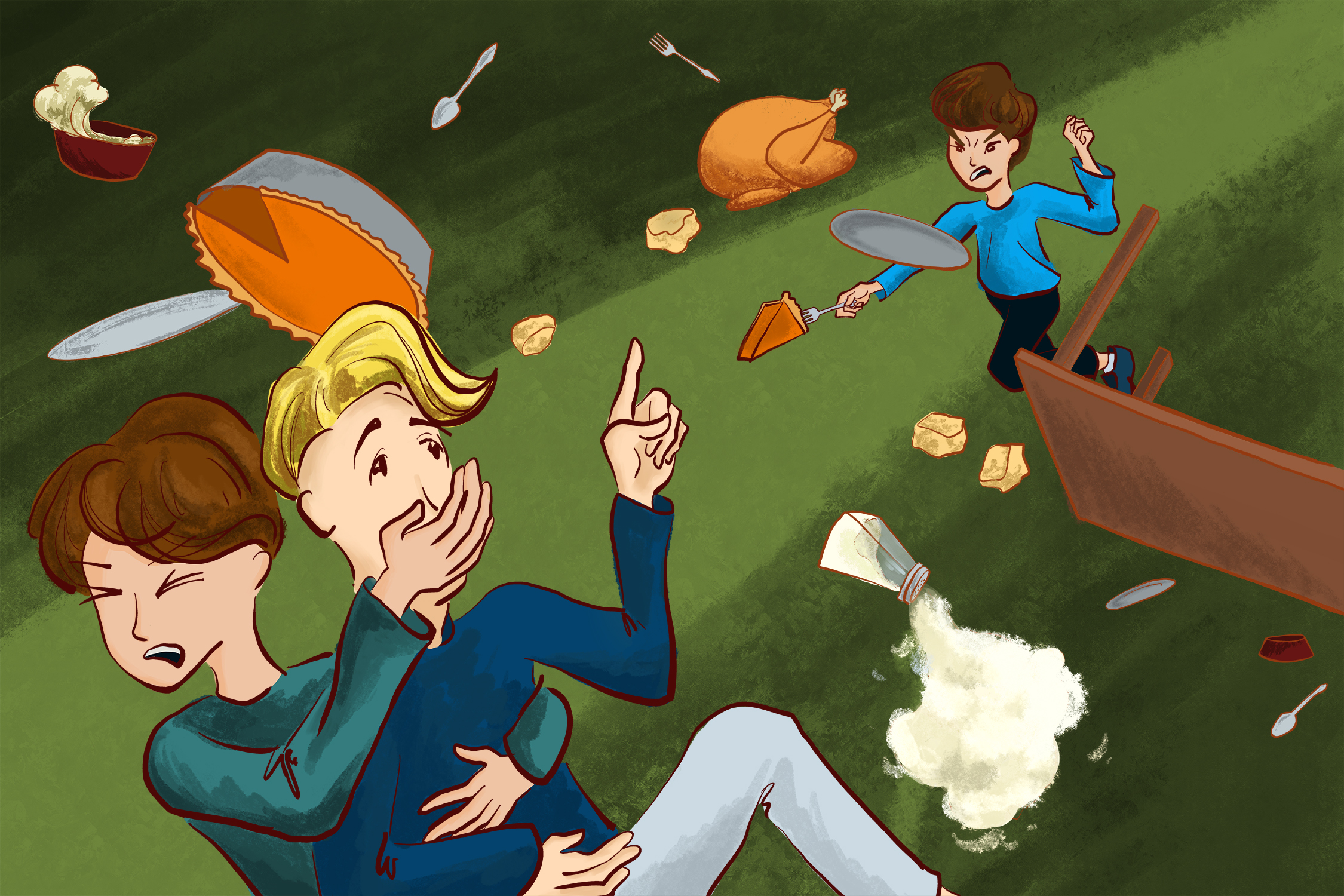
Every November, friends and families gather around the dinner table for meals and remind themselves not to bring up certain taboo topics. Everybody knows the universal no-nos: money, religion, and politics. While these taboos may not apply on campus, where we discuss these subjects in our classes every day, here are some sensitive topics you may want to avoid around your University friends if you’re not sure who might feel strongly about them.

If you’re a first-year who is not completely sure what you want to study yet, you might feel lost during fall registration. There is no decisive “how-to” tutorial out there to help you decide what field of study might work best for you. Cranking out core requirements is always a good idea, but it is not the best way to decide what you want to major in. During class registration, it is important to explore interests, so here are some strategies to find out which paths of study you enjoy or which you should rule out.

Noise isn't always just measured by volume. By living and learning in New York City, we’re constantly in sensory overload as we encounter different sights, smells, and sounds that surround us. This is all noise, and it’s hard to tune it out. On the other hand, being stuck inside during the pandemic has also created a lot of noise inside our heads. Sometimes it's a whisper, a beautiful tune, or maybe even a deafening dissonance. But one thing that’s certain is that this noise, whether we like it or not, does exist.