

Isabella Ramírez
Editor in Chief & PresidentColumbia College Class of 2025
@isabellarmrz
isabella.ramirez@columbiaspectator.com
Latest articles
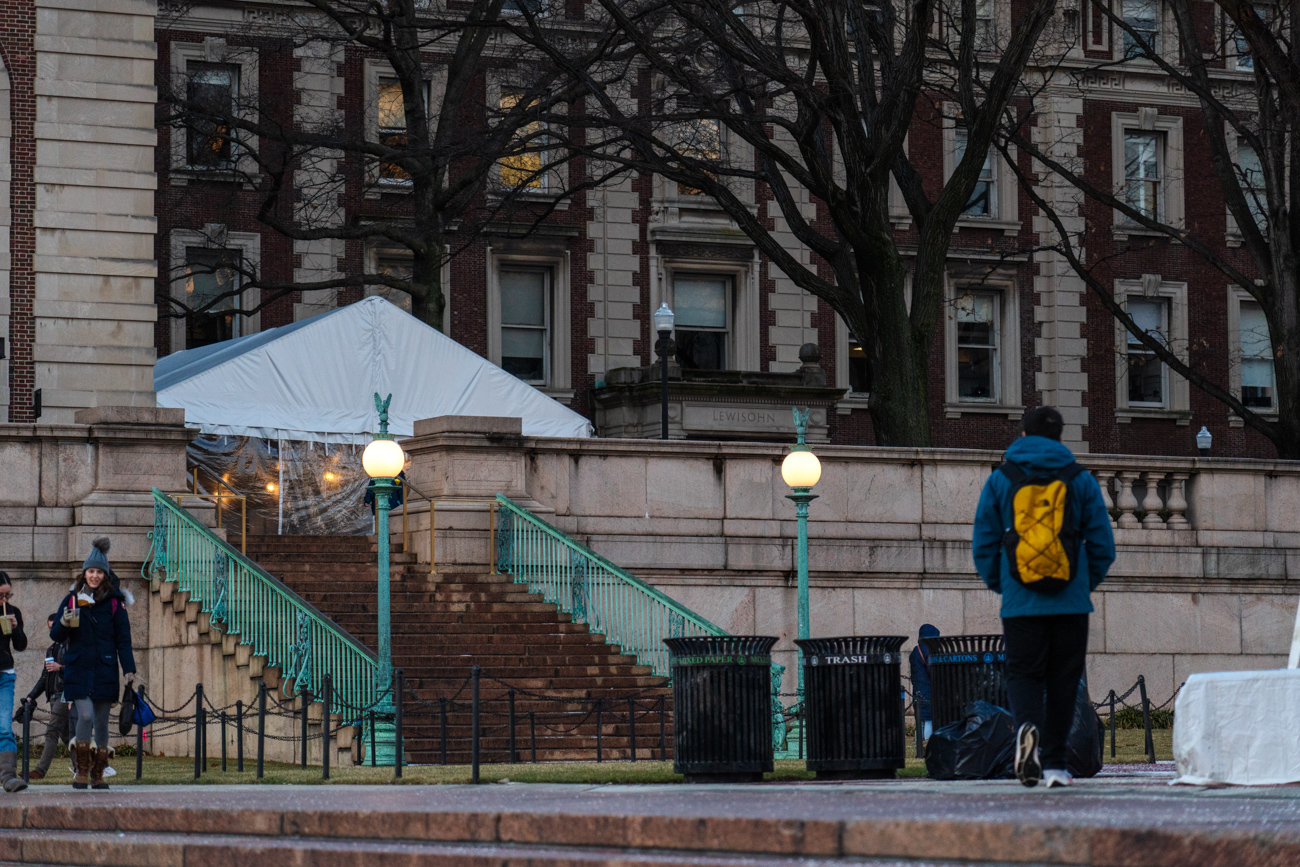
As the Interschool Governing Board continues to lead a nationwide movement to rename the tallest Teachers College building after Edmund W. Gordon, the first Black tenured professor at Columbia, the University Senate’s student affairs committee issued unprecedented revisions to the IGB constitution barring the organization from conducting “business relating to political and/or advocacy efforts.”

Editor’s note: No Alpha Omicron Pi members on Spectator had any involvement with this article. Managing Editor Dia Gill has also recused herself from editing this article due to her past affiliation with Alpha Omicron Pi in 2020.
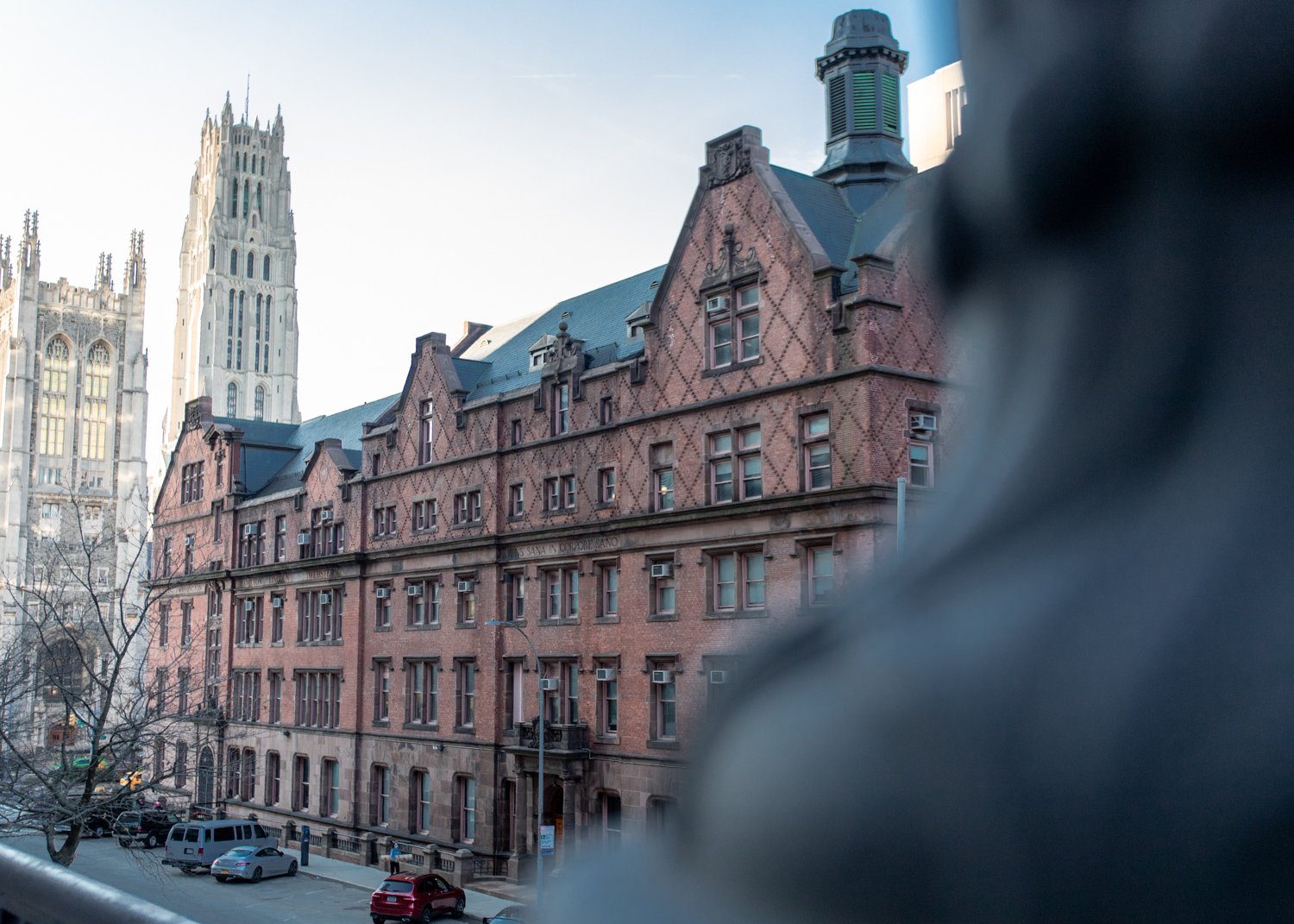
Following over three and a half years of community efforts to rename Teachers College Building 528—formerly known as Thorndike Hall—after the University’s first Black tenured professor Edmund W. Gordon, President Thomas Bailey announced in a recent email that TC will likely name the building in relation to a major financial gift.
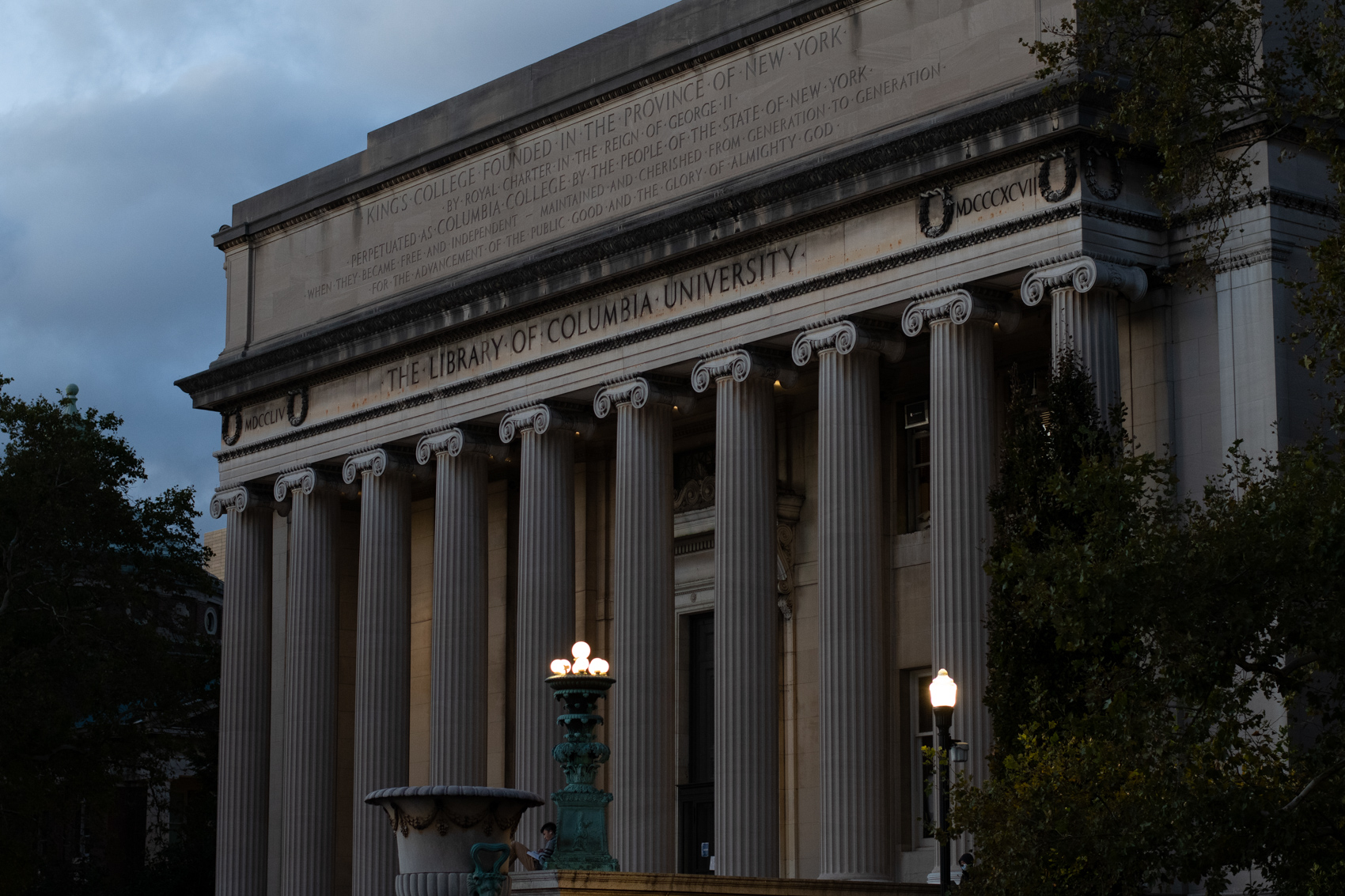
After a year of hiring freezes and low turnover rates, a recently-compiled report highlights persisting challenges in the Arts and Sciences’ efforts to diversify faculty. New data reveals that the percentage of underrepresented minority tenure and non-tenure track faculty members in the Arts and Sciences has only risen from nine to 11 percent since the 2011-2012 school year.

When Teachers College professors emeriti Leonard Blackman and Frances Connor first proposed the construction of Thorndike Hall during the civil rights era, they envisioned an inclusive space built for the advancement of special education for students with developmental disabilities. The building was dedicated to Dr. Edward Lee Thorndike, who spent most of his career at TC and is known as the “father of educational psychology.”
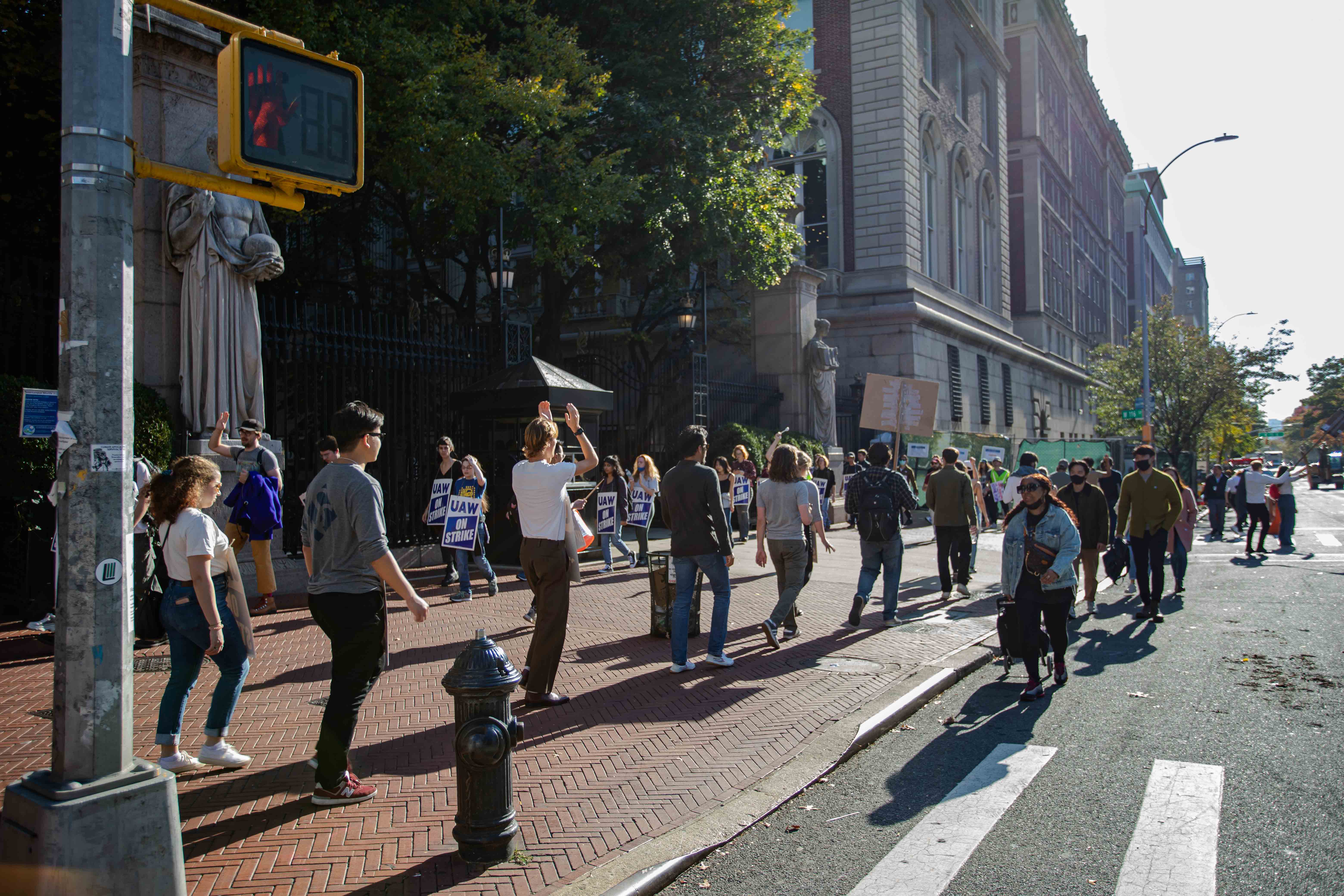
Over a week has passed since the Student Workers of Columbia-United Auto Workers initiated its strike on Nov. 3 with demands for fair compensation, third-party arbitration, unit inclusion, and expanded healthcare. With classes run by student-workers postponed indefinitely, undergraduate students have been experiencing learning loss due to stalled negotiations between Columbia and the union.
