
Katherine Nessel
Latest articles

As soon as the ball dropped on New Year’s Eve, Eric Adams became the 110th mayor of New York City. On a stage surrounded by friends and family, shortly after midnight, Adams swore the oath of office in Times Square, foregoing tradition and officially becoming the second Black mayor of the city after the late David Dinkins. “It’s not about showmanship, it’s about showing up,” Adams said later that day during his first address as mayor, in which he also announced that the theme of his first 100 days would be to “get stuff done.”

Some New York City residents spend hours searching for parking spots, which have been in ever-shrinking supply since the start of the pandemic. Others use that time to enjoy the elaborate outdoor dining setups that have taken over former parking spaces. With one of the highest population densities in the country, street space in New York City is at a premium, and debate simmers around how best to optimize it.
In the span of an hour, the remnants of Hurricane Ida on Sept. 1 transformed New York City’s streets into rivers. With street drainage systems stressed beyond their limits, excess water cascaded into the subway tunnels. According to tweets by the MTA, northbound 1 trains began bypassing 145th Street around 9:30 p.m. due to excessive flooding. Between 10 and 11 p.m., trains on the 1 line and across the city were fully suspended. The 1 train resumed service through Morningside Heights around 9 a.m., but service was extremely limited for the entire day.


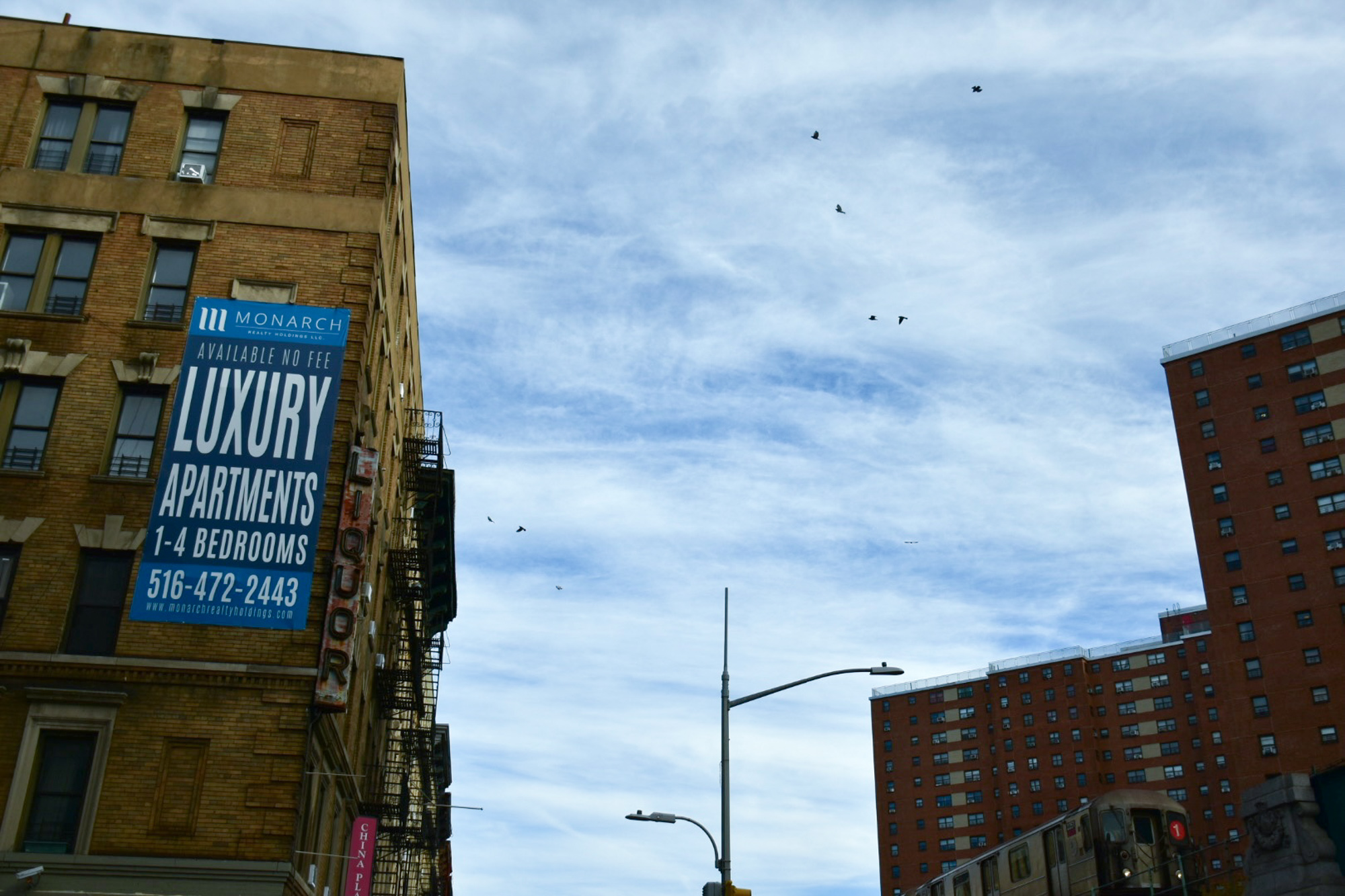
High air pollution rates. Toxic waste plants. High temperatures. These are only some of the issues that West Harlem residents face as a result of the ever-worsening climate crisis, coupled with systemic neglect on the part of government officials, the New York City Housing Authority, and the disproportionate number of pollutant-producing entities in the area.

Across the city, open work orders for maintenance issues in the Grant Houses of the New York City Housing Authority development in Morningside Heights requiring attention skyrocketed 40 percent from 344,960 in December 2019 to 483,240 in December 2020. This drastic increase can likely be attributed to the pause on some maintenance work in the early months of the pandemic and decreased funding as the city faces a financial crisis, compounded with the longstanding lack of agency within NYCHA.

Thousands of Columbia and Barnard students are returning to New York after Columbia partially reopened on-campus housing this semester. For the majority of these students, it has been almost a year since they’ve lived at Columbia, and for some, it will be their first time stepping foot on campus. While students are eager to return to a “normal” college experience, some Morningside Heights and West Harlem residents worry that Columbia’s reopening plan may put Morningside Heights residents at higher risk for COVID-19.

Andrew Yang, Law ’99, who rose to prominence in the 2020 Democratic Party presidential primary, formally kicked off his mayoral campaign Thursday morning just blocks away from Columbia’s Morningside campus. In his speech, he highlighted his signature proposal for universal basic income and a new approach to politics.

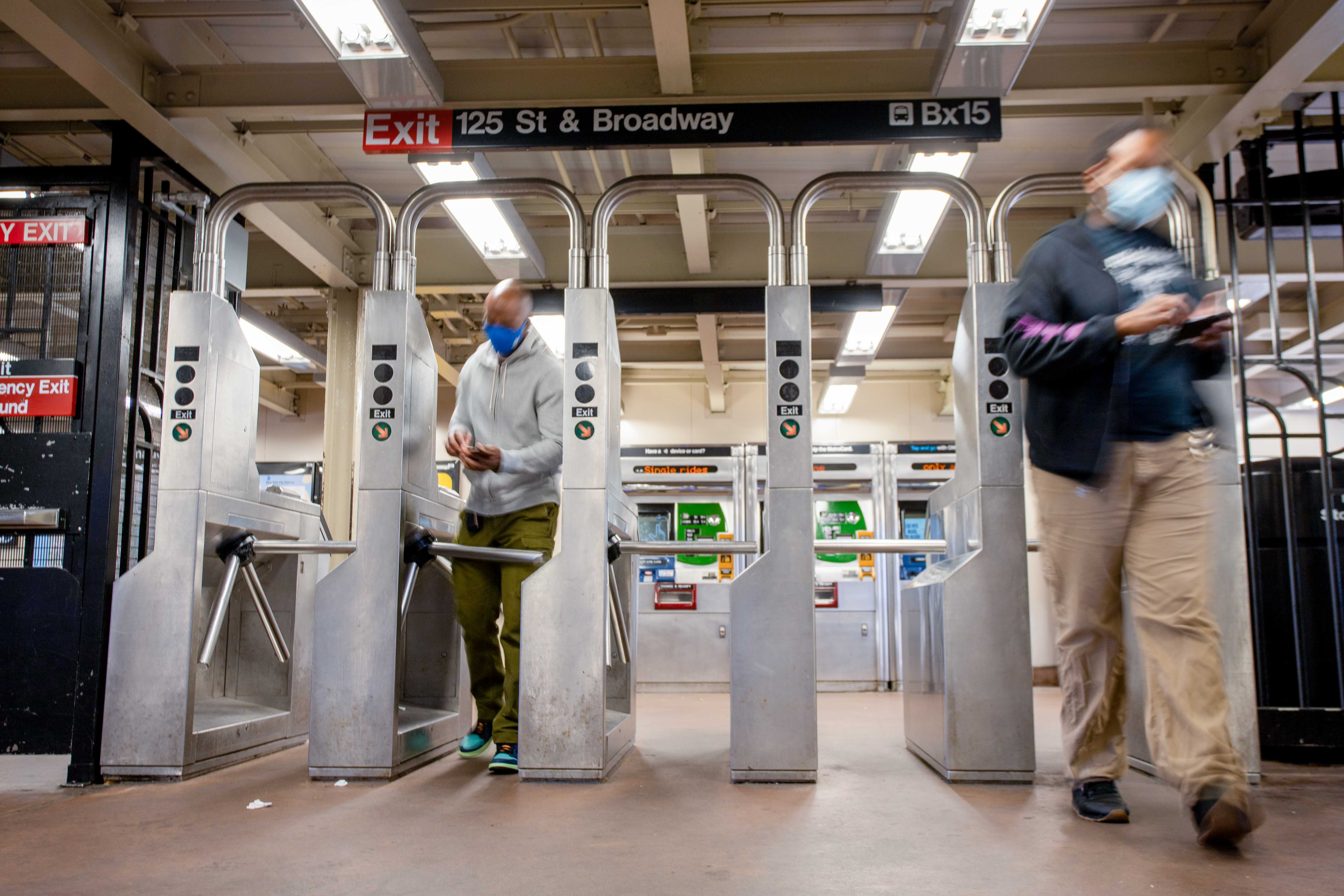
The blue-tiled 116th Street subway station along the 1 line has seen better days, given the drastic drop in ridership during the pandemic. Fewer students and residents have crossed the turnstiles in recent months, as the threat of COVID-19 has encouraged many New Yorkers to stay at home.