

Lucy Brenner
Latest articles
For the past two years, grants from the Morningside Heights Community Fund have funded neighborhood projects including interactive science experiments for young students, a new gazebo in a local garden, and arts supplies for seniors. Now, however, the money for such community initiatives in the area may dry up, as the MHCF faces down the expiration of major sources of funding.

On a dreary Sunday afternoon, despite gray skies and drizzling rains, the voices of dozens of community members filled the air. Two men played the fiddle as local residents, University students, and government representatives gathered on the corner of 114th Street and Broadway. The cause that led this group of community members to brave the gloomy weather? Affordable housing.
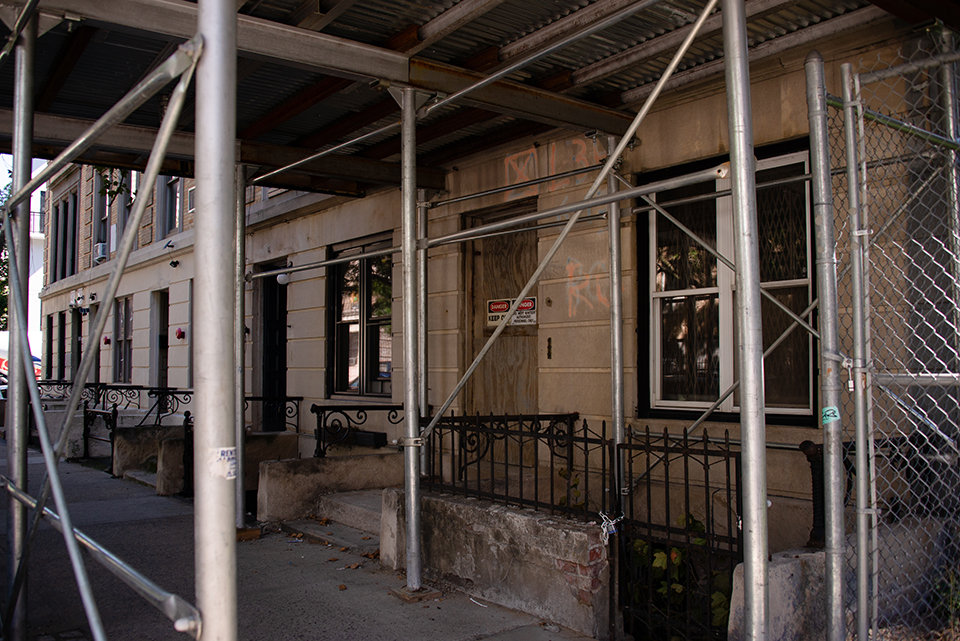
With gaping holes in the roof, embellished cornices rusting away, raccoons infesting the structure, a landmarked Harlem row house that was once a charming representation of the rich architecture of Gilded Age New York now lies crumbling and desolate. After years of decay, the New York City Department of Buildings filed plans for the demolition of the historic row house in July, sparking an outcry and frustration among local community members.
As the COVID-19 pandemic raged on in 2020, prompting an economic downturn and widespread hardship for New York City residents, two Harlem neighbors found an opportunity to support vulnerable members of their community. What began as casual organizing between these neighbors quickly transformed into a thriving mutual aid organization in Harlem, now known as Uptown Wagon.
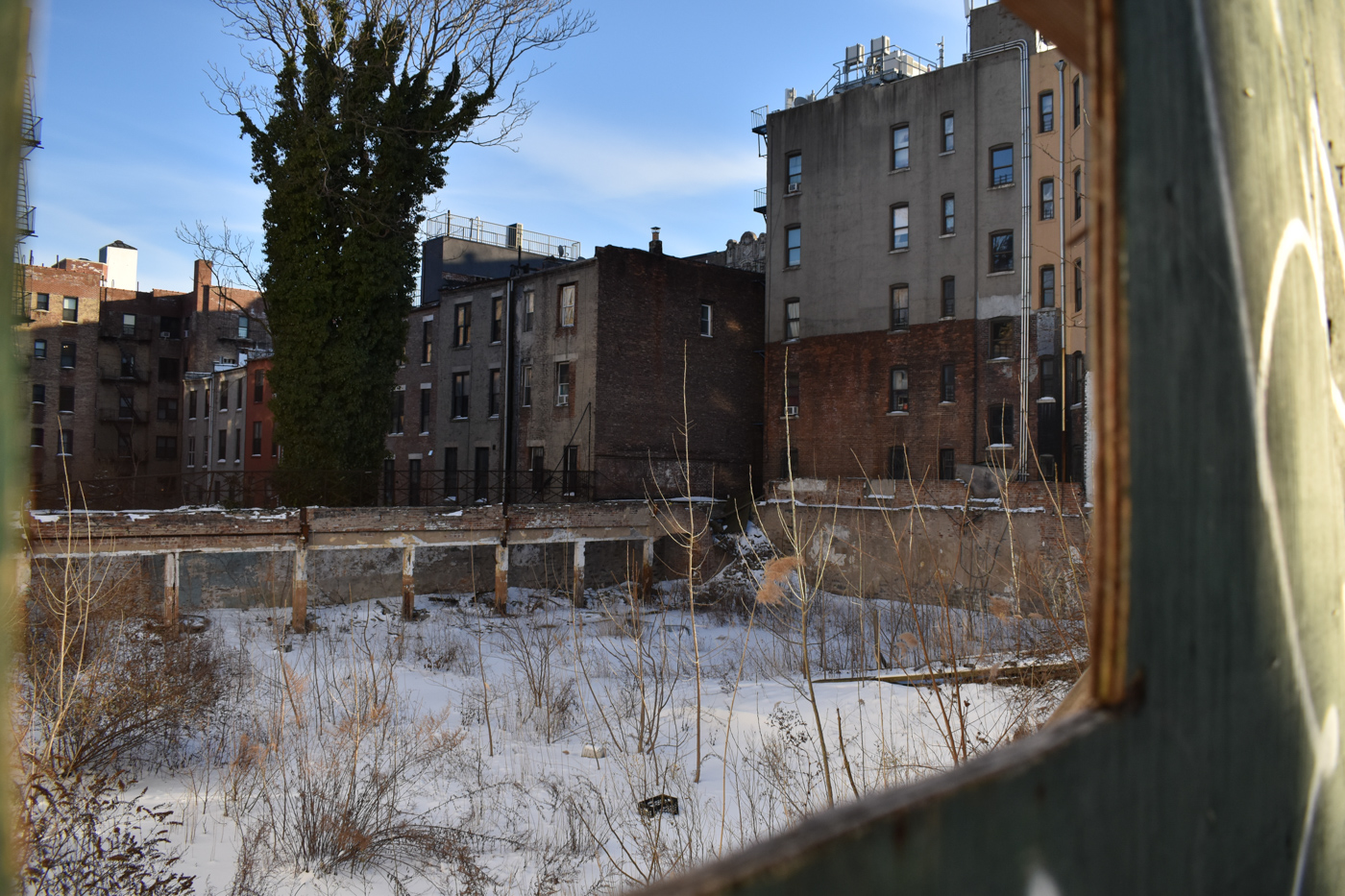
Standing before the coffin of Malcolm X in 1965, Ossie Davis gave a stirring eulogy in the halls of Faith Temple Church of God in Christ as dozens looked on. Faith Temple Church agreed to host the historic event after several churches across Harlem refused out of fear of violent retaliation. “We shall know him then for what he was and is—a prince, our own Black shining prince, who didn’t hesitate to die, because he loved us so,” Davis proclaimed passionately to onlookers. Over 50 years later, the church that once hosted the funeral, now called Childs Memorial Temple Church of God in Christ, is gone; the site of this electrifying oratory lies empty and discarded.
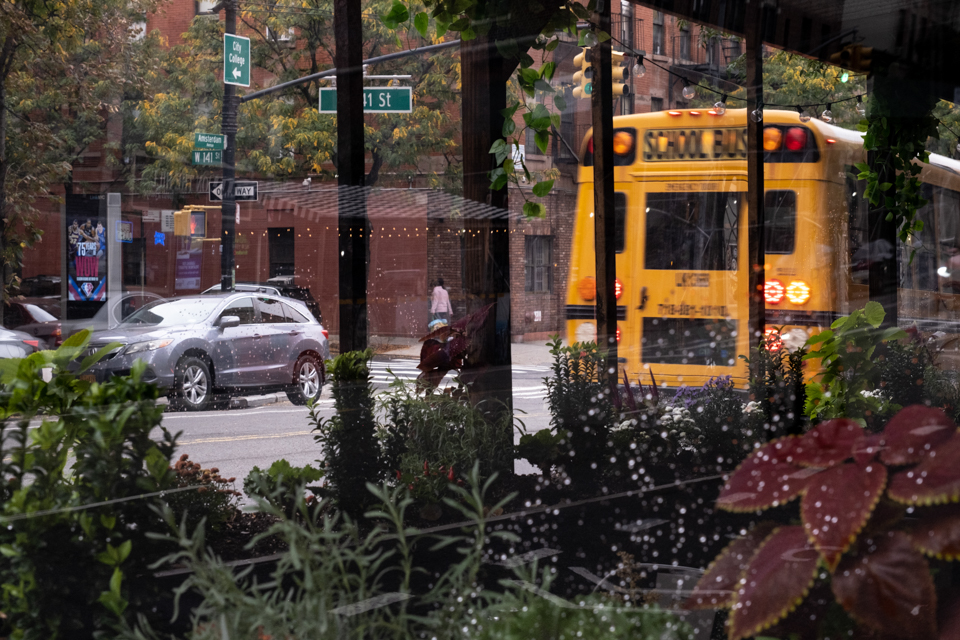
In late September, a developer withdrew its proposal to rezone a block in Hamilton Heights and construct a 17-story tower at the site, marking the successful culmination of a community-wide struggle to protect the current zoning. Coming amid long-term efforts to combat luxury overdevelopment in the area, the project sparked heated opposition among community members and highlighted local tensions surrounding historic preservation, rezoning, and affordable housing.
As demonstrations against police brutality continue to take place following the momentum built in the Black Lives Matter protests of 2020 and a former police officer is set to win the New York City mayoral race, the New York Police Department’s controversial gang takedowns have come to the forefront of a citywide dialogue on policing. In Harlem, a rise in aggressive gang policing—one that saw several major indictments this September—has revived discussions about its harmful nature in local communities.

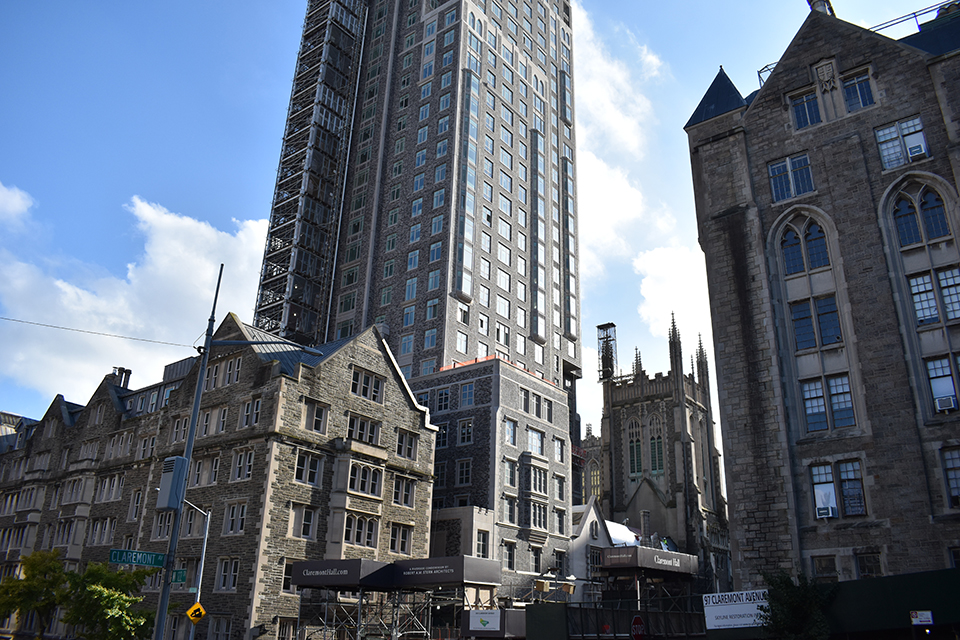
Over the past decade, Morningside Heights and West Harlem community members have watched as high-rise towers and luxury developments have popped up throughout their neighborhoods. And amid rising rent prices and fears of overdevelopment, residents have increasingly looked with concern toward vulnerable property sites in the area.

Nestled in Hamilton Heights between West 138th Street and Broadway, Montefiore Square was once a small, lively park that served as a center for community involvement. But as benches were removed and its grassy interior was gated in the 1990s to prevent drug dealing, community members noted that it was more difficult to use and enjoy the park to its fullest extent. Renovation plans, announced in 2019, seemed to offer promise for residents hoping to take advantage of the park.