

Madison Rosenfield
Latest articles
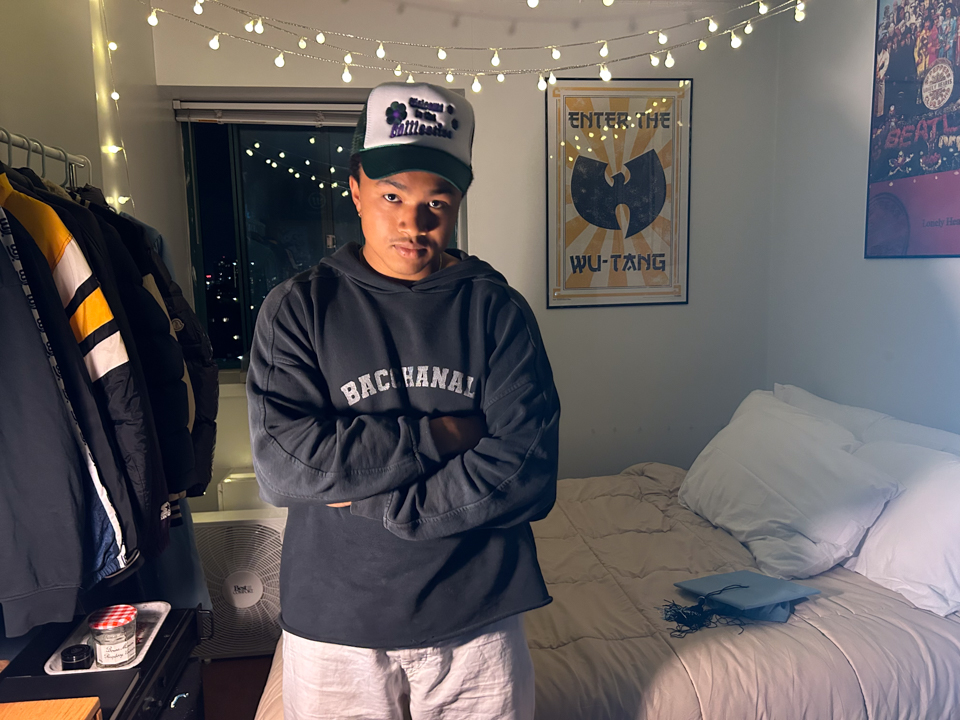
A Columbia blue graduation robe rests at the end of a line of jackets, their varied origins and personal significance chronicled in immense detail—one belonged to his dad, one a Calvin Klein sweatshirt from a two-week stint as their employee. String lights hang above his bed, and the radio show “Soulection” is playing in the background, projected behind a desk and mixing table. Posters of famous musicians and from venues he has played in adorn his desk and walls.

Throughout the six decades that renegade raconteur and revered arts journalist David Hajdu has been surrounded by art and culture, he has paddled against the flow. Born to blue-collar parents in a factory town on the edge of New Jersey, he ventured to New York City for college and has not looked back since. “My dad always said, ‘He went to New York and never came home,’” Hadju said.

Every morning, Ebonie Smith, BC ’07, wakes up and talks to God.

Laina Dawes, GSAS ’22, who holds a doctorate in ethnomusicology, found heavy metal at just eight years old. At that moment, she leaped headfirst into the loud and dissonant world of metal and has not looked back since.
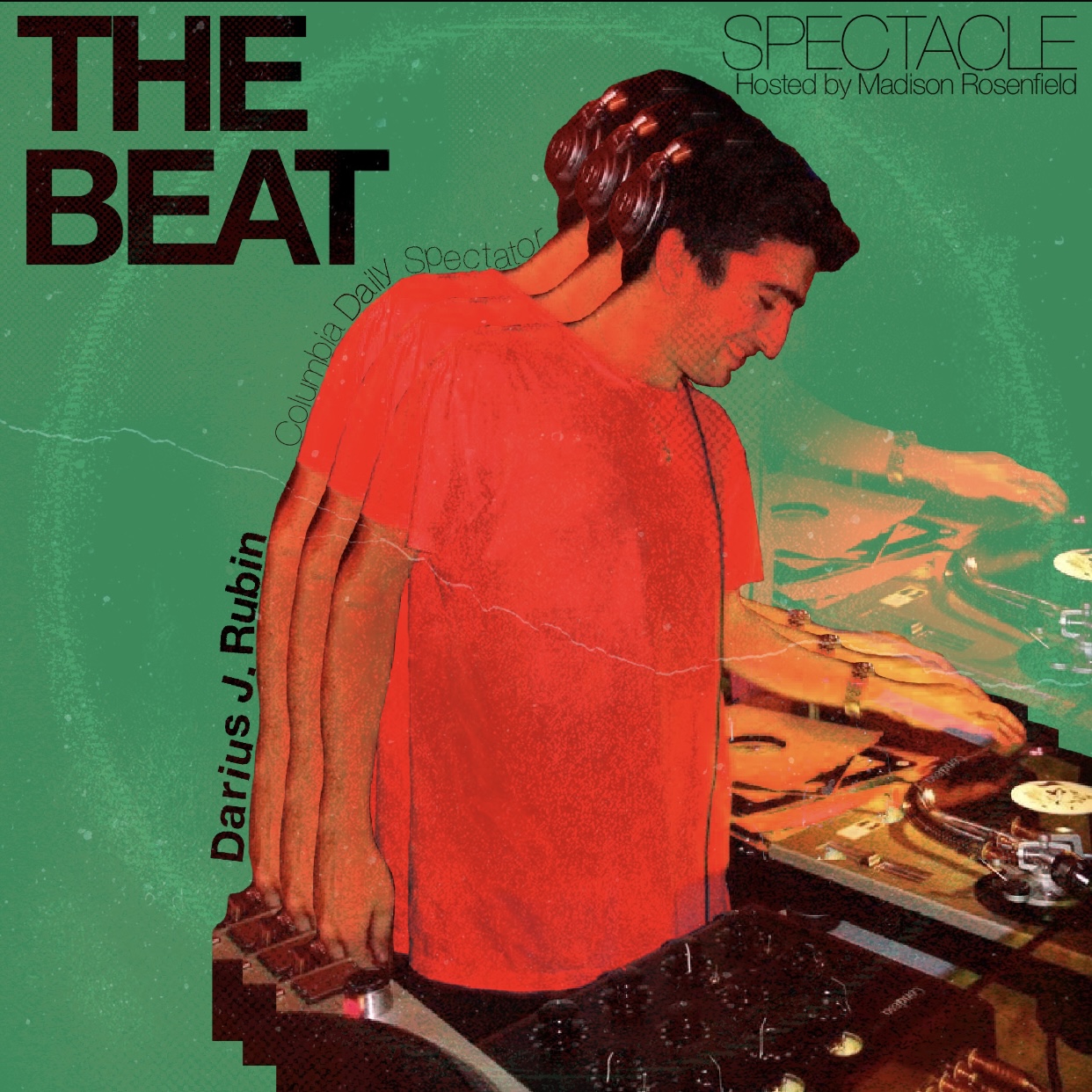
In this episode of “The Beat,” Arts & Entertainment reporter Madison Rosenfield interviews multihyphenate Darius J. Rubin, CC ’23, who—when he’s not behind the DJ booth—produces films, curates events, and uses music as a medium for creative collaboration and connection. Zipping between Europe and the United States, U.K.-bred Rubin discusses the past, present, and future of his career and artistry.
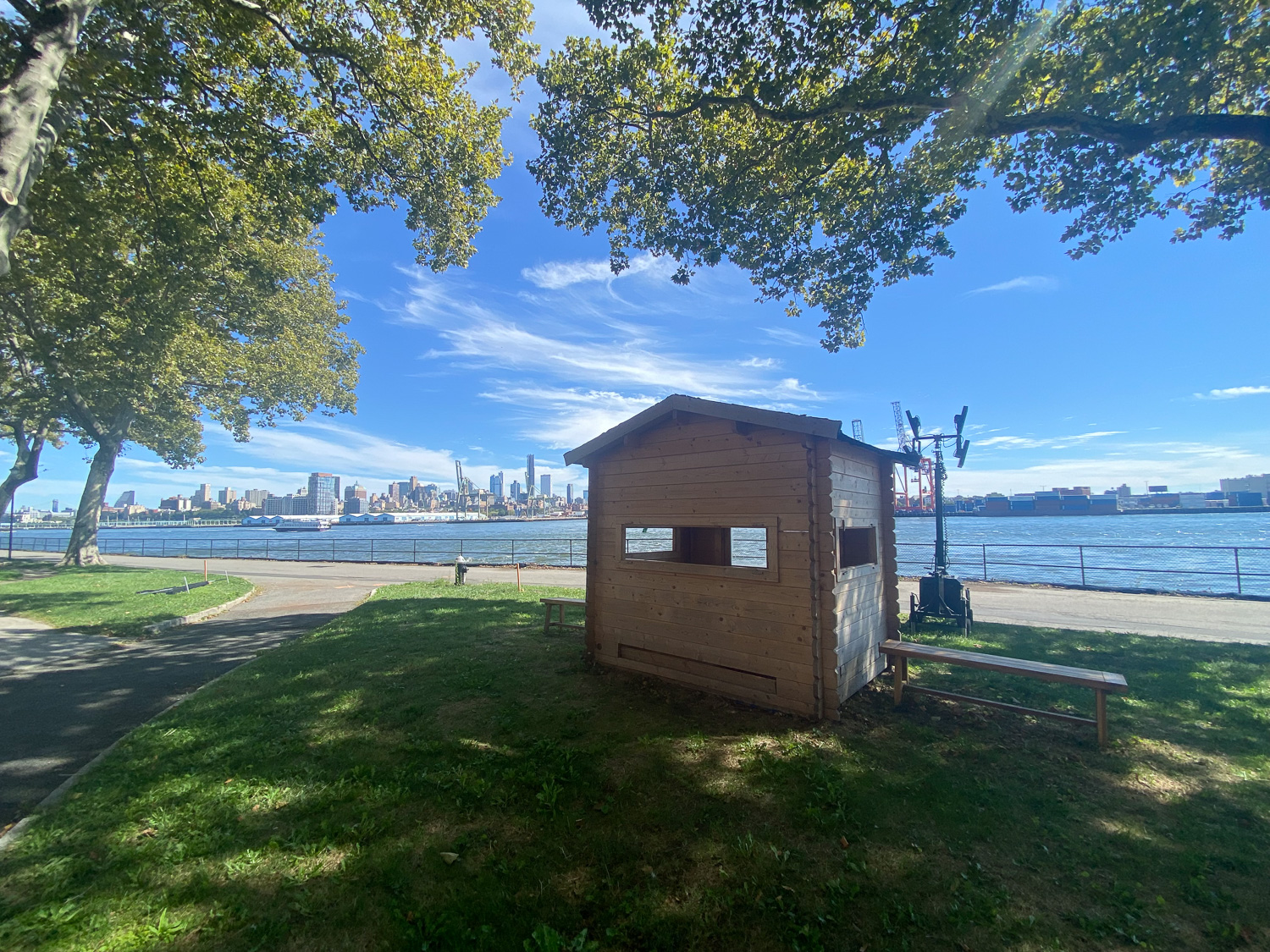
A humble wooden hut sits on the banks of Nolan Park on Governors Island, inviting passersby to sit and contemplate the sounds of the landscape. As one nears the hut, sounds begin to echo from inside, luring the ordinary observer into a three-dimensional sensory experience that encourages them to reimagine their assumptions of aural perception.
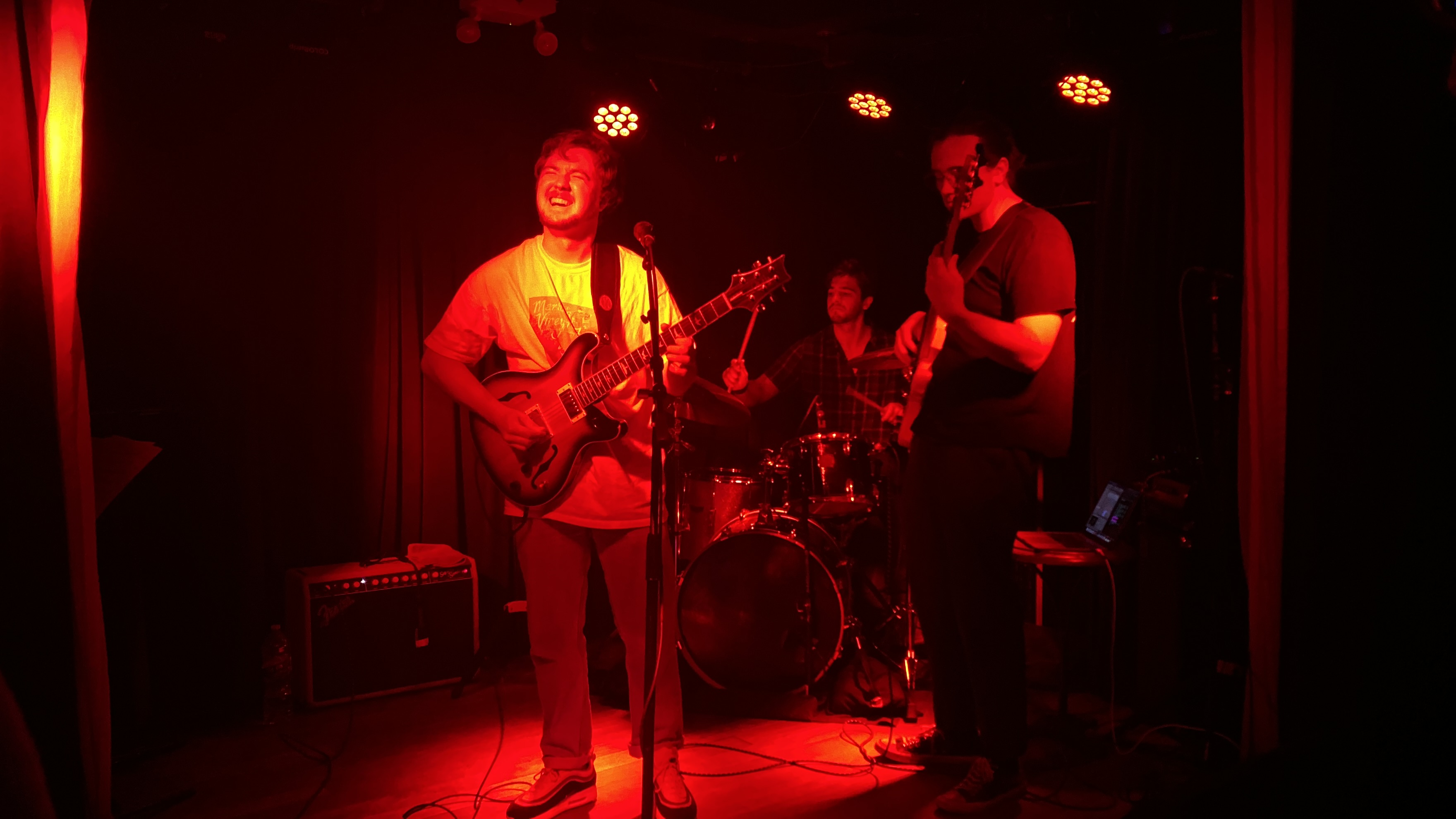
Music thrives in the summertime. Just a year after graduation, Andrew Schur set out to plan a live show exhibiting Columbia’s vast array of student musicians. On Aug. 26, his ambition came to fruition.
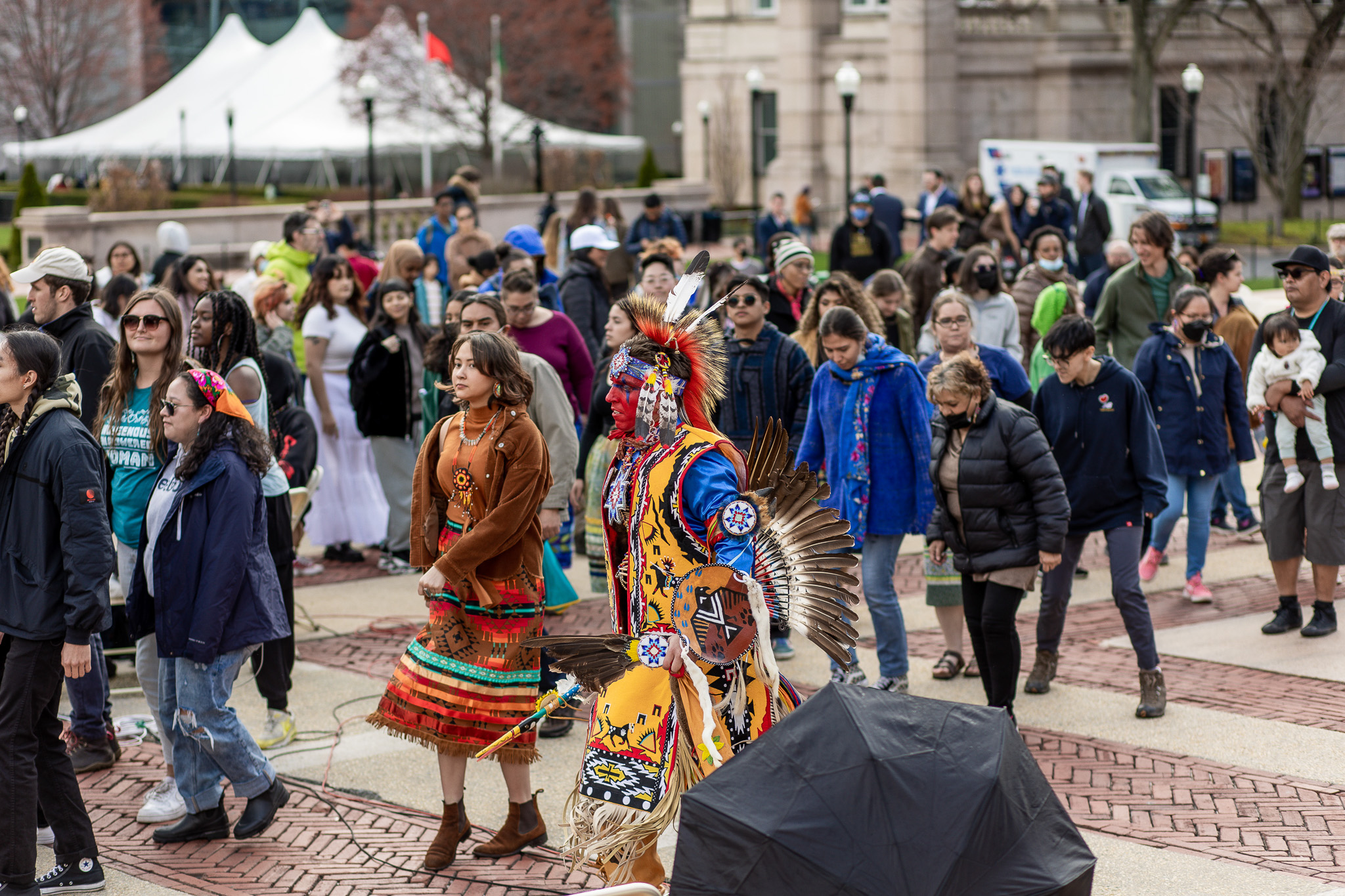
Low Plaza was radiant with the beat of drums, smell of sage, and sight of vibrant colors on April 9 as Columbia’s Native American Council hosted the University’s 10th Annual Powwow. Filled with song, dance, pageantry, and community, powwows are gatherings that celebrate Indigenous culture.
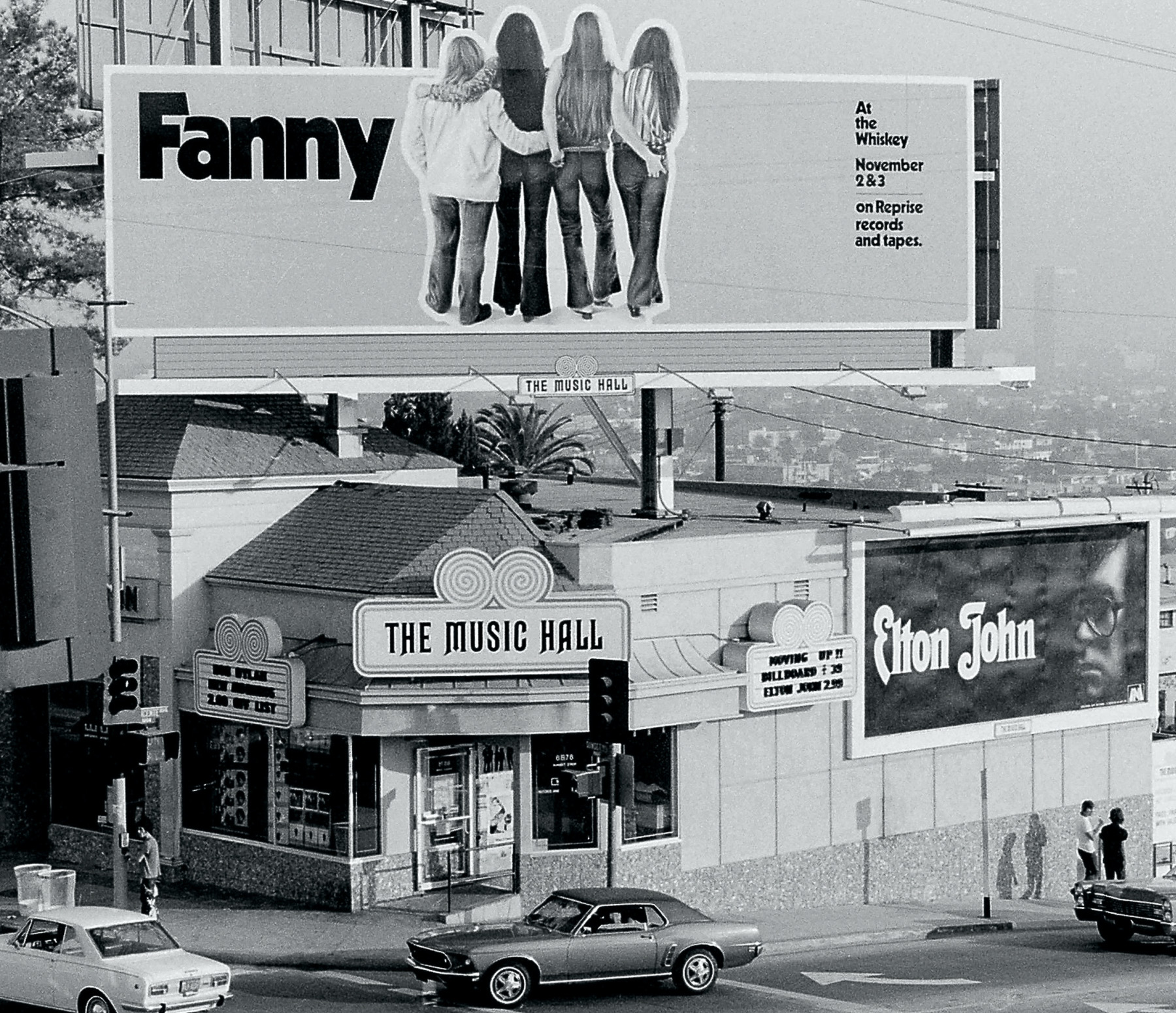
A cursory Google image search of 1970s rock bands yields unsurprising results: men with shaggy hair, clad in obnoxiously flared bell-bottoms and a cool denim or leather jacket with a smattering of thick mustaches bedecking a few upper lips. There are scarcely any women on the entire first page of results, a disappointing yet expected outcome considering rock music’s historical association with men and the resulting lack of female representation in the genre.

An extensive lineage of Black hip-hop artists and DJs have woven a tapestry of creative expression in New York City, characterized by artistic innovation and a strong sense of community. At Columbia, the one carrying the torch of modern DJing is Kofi Meighan, SEAS ’23, known mononymously as “Kofi.”