

Sarah Shapiro
Arts & Culture Senior Staff WriterBarnard College Class of 2025
sarah.shapiro@columbiaspectator.com
Latest articles

The stage lights of the Linda Gross Theater illuminate an interrogation room. The tiles are sharp, their perfect edges and glimmering corners aligned to form black, windowless walls. A man pleads for citizenship through confused, earnest eyes as the agents berate him with demeaning questions. After finishing his performance as a jovial, idealistic patriot, Gee, now a citizen, will drop the façade and sell his family name to a boy from China, who will leave behind his mother, history, and home for a piece of this supposed American Dream.

“I want you all to know that these characters do have a happy ending. They go a long way to experience joy, and even when things are rough I want you to know that they will be happy,” Is Perlman, CC ’25, director of Columbia Musical Theatre Society’s “Head Over Heels,” said in the play’s preface. In a time of rising through familiar homophobia, it feels cathartic to know that a band of unapologetically queer and nonbinary icons will get a happy ending.

When Camila Grunberg, BC ’25, walks down the street, she can’t help but tap out an absent-minded time-step. The movement is second nature—Grunberg’s mother often tells her the story of when she used to make up dances to the din of construction machinery as a child.

As viewers filter into the Forum, footage rolls on an imposing screen, and actors ready themselves for the show. Some review scripts or test microphones while others simply sit and breathe. Many are formerly incarcerated, preparing to immerse themselves in yet another story of the injustices of the American mass-incarceration system. It is clear from the moment the performers enter the space that this is less of a traditional theater performance, but rather, the sharing of an experience. They are concerned not with excessive performativity but instead with the breaking of barriers between life and art.

As Adult Alison in “Fun Home,” Erin Hilgartner, CC ’22, primarily occupies the peripheries of the stage. Like a cat slinking around old boxes in the attic, she gazes from afar at the broken memories piled before her. Her inquisitive eyes pierce through her father and her younger self, derision and fear clear in her stare even as she feigns stoicism. In few words, she conveys the grief, power, and regrets of a woman confronting her buried history.

The audience huddles under heavy blankets on the lawn behind Kent Hall. A young announcer raises their hands for silence and begins their tale.
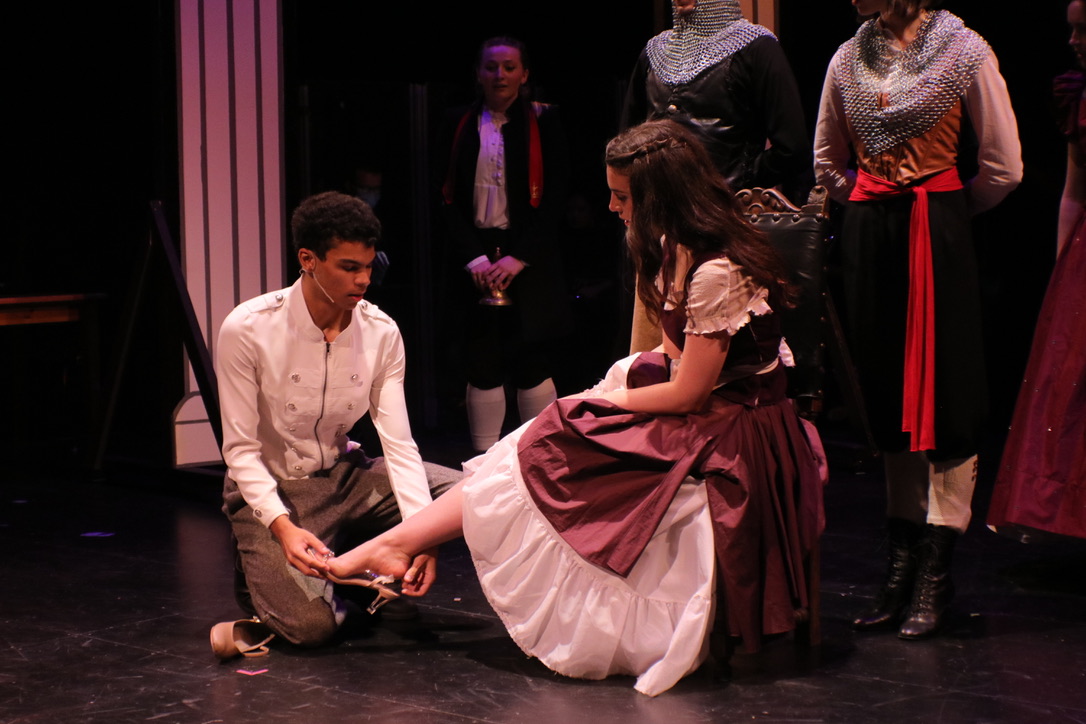
With the lights dim on a rustic forest, the scene is set for a night of magic and wonder. The orchestra swells: a cheerful flute leaps above a stalwart trumpet as the ensemble’s harmonies begin their subtle crescendo. When the actors clump together upstage, seeming almost fearful of the lights, the visual picture pales in the presence of the impressive vocals.

When a dilapidated bus pulls up at the base of Mount Kilimanjaro, the excitement emanating from the van is palpable. Nobody knows who will make it to the summit and who will be defeated by the thin air and biting cold. They yearn not just for personal glory, but to prove their worth to all who doubted the resilience of plus-size athletes.
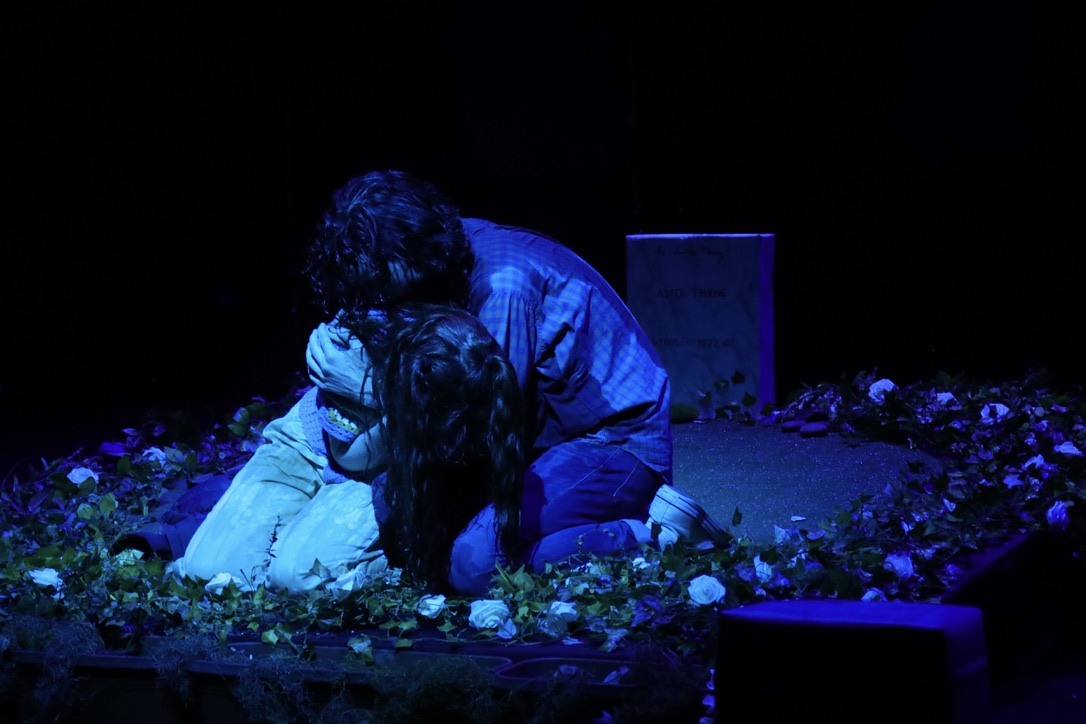
Editor’s Note: This article has mentions of school shootings.

In the early 1900s, jazz, ragtime, and gospel music echoed throughout New York City. Sheet music publishers had their windows open on 28th Street, where a cacophonous symphony of competing pianos gave name to the infamous “Tin Pan Alley.” A new art began to emerge: the stage musical, brought to life by Black composers and immigrants in an industry intent on excluding them.