

Zachary Schermele
Latest articles
A new analysis from a Columbia professor claims the University has misrepresented institutional data to U.S. News & World Report, which publishes controversial but influential annual rankings of colleges and universities.
The lawyers attempting to sue 17 higher education institutions, including Columbia, for allegedly illegally colluding to decrease their financial aid offers filed an amended complaint in the Northern District of Illinois on Tuesday.
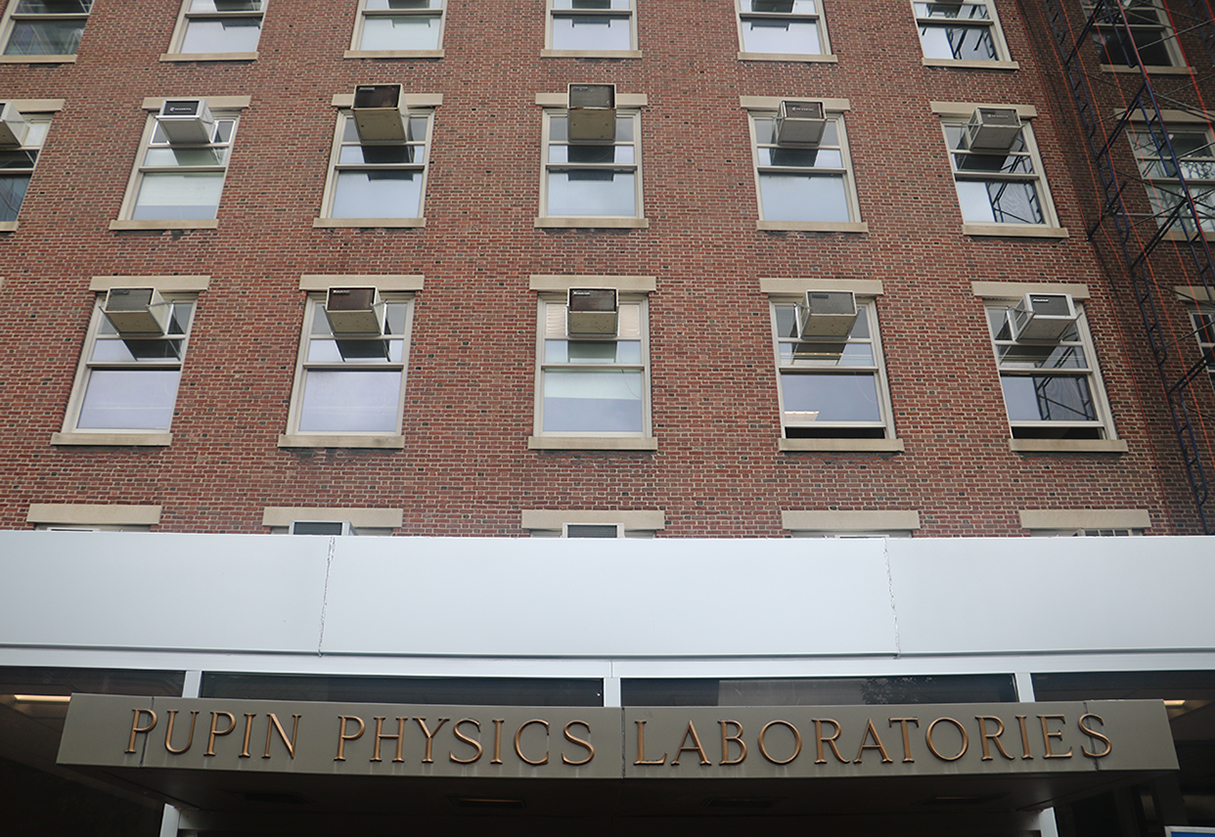
Aron Pinczuk, an award-winning physics and applied physics professor who spent more than two decades at Columbia and made significant research contributions to his academic field, died on Sunday.

A small fire in an East Campus laundry room dryer on Tuesday morning forced students to evacuate the building and carried smoke into the lobby and upper floors.

Columbia administrators modified several COVID-19 protocols this week, following a mostly steady decline in the COVID-19 positivity rate of students and faculty since the start of January—a stark contrast to the unprecedented highs of mid-December that forced the first two weeks of the spring semester online.
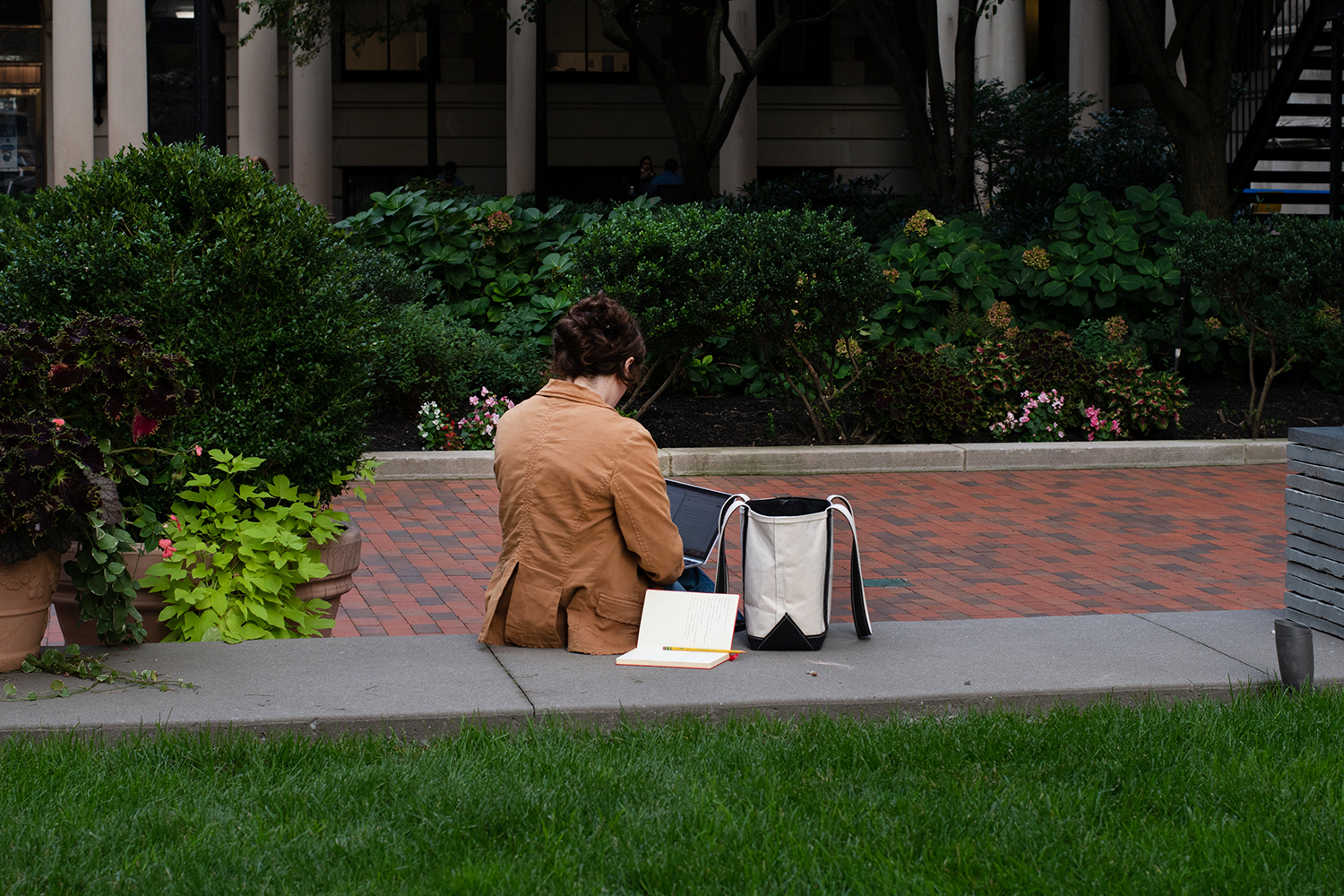
Columbia students who were enrolled and assessed fees for the 2020 spring semester were notified by a court-appointed administrator on Jan. 8 of their eligibility to receive payments from a $12.5 million settlement. The settlement was reached in November between the University and a group of students who sued for refunds for the spring 2020 semester after classes were moved online due to the pandemic.
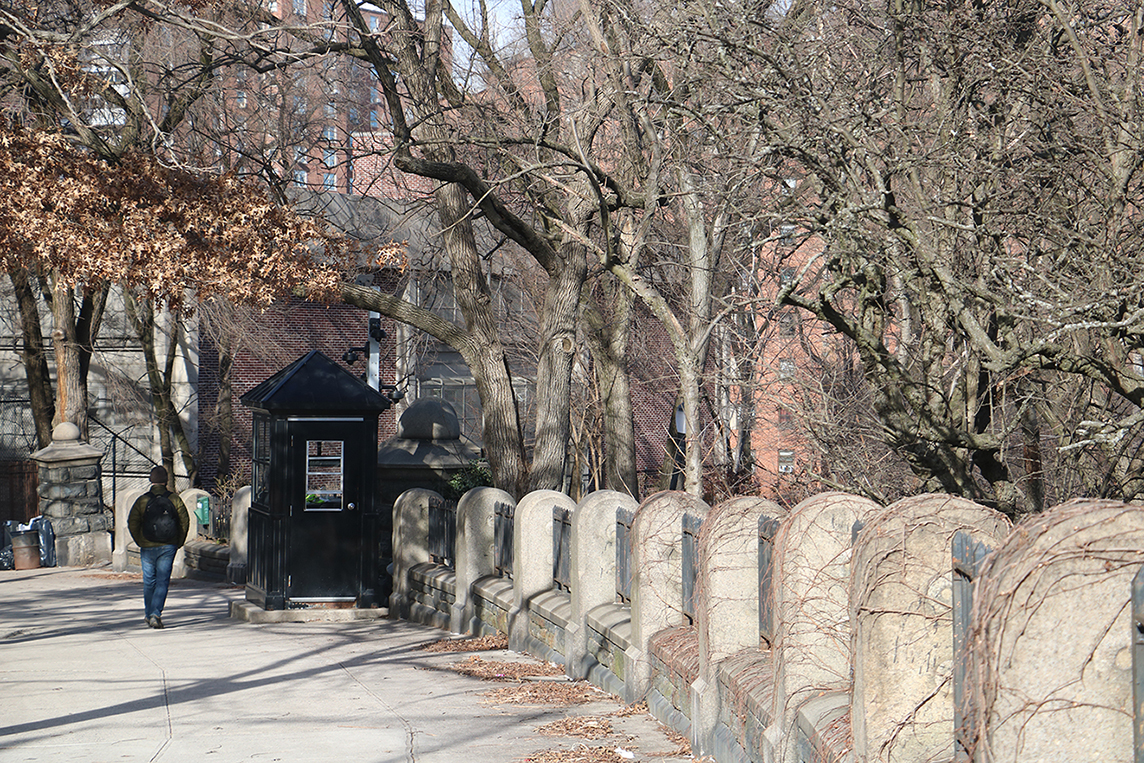
Davide Giri, a sixth-year doctoral student in the School of Engineering and Applied Science, died following a stabbing that occurred near 123rd Street and Amsterdam Avenue on Thursday around 11 p.m, interim SEAS Dean Shih-Fu Chang and SEAS Senior Vice Dean Soulaymane Kachani announced in an email Friday morning. Giri was 30 years old.

A task force made up of faculty, administrators, trustees, and alumni has been considering an overhaul of the leadership structure of the Faculty of Arts and Sciences since the beginning of the academic year. The committee’s work has revived longstanding concerns about the importance and perceived political power of Columbia College while evoking a sense of deja vu from a similar—but failed—effort to reorganize Arts and Sciences almost exactly a decade ago.
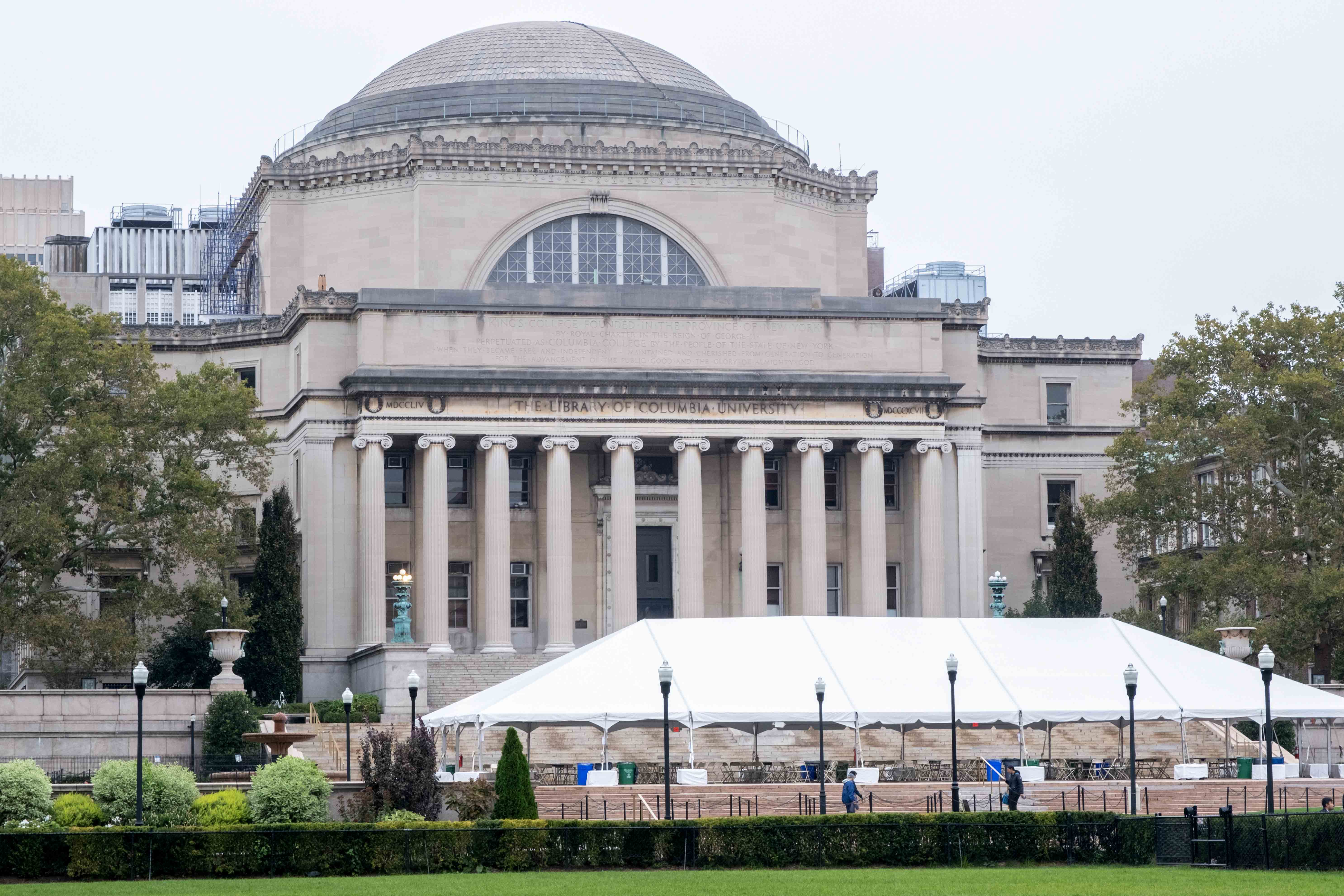
A report released this summer by the Columbia Alumni Association’s Task Force on Belonging suggests a series of successes and failures associated with the University’s engagement of its more than 367,000 alumni. Out of nearly 2,200 alumni surveyed, the report found that an overwhelming majority experience a general sense of connectedness with Columbia. However, it also revealed a sense of rejection felt among racially and socioeconomically diverse segments of the alumni community.