
Aamina Mughal
Deputy Arts & Culture EditorBarnard College Class of 2028
aamina.mughal@columbiaspectator.com
Latest articles
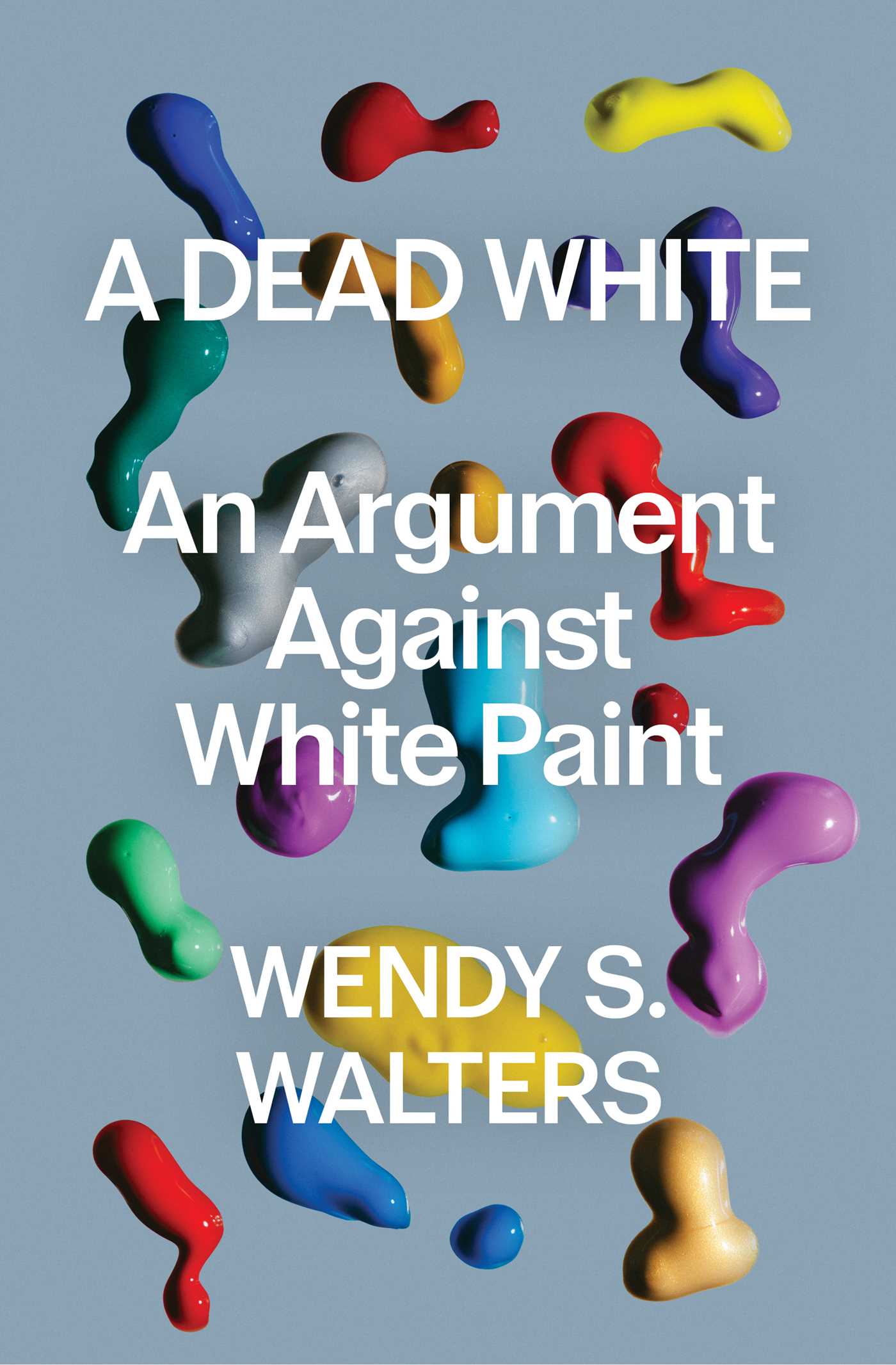
Wendy Walters, associate professor of writing at the School of the Arts, began fixating on white paint when her son’s school was repainted. That moment prompted a multiyear examination of white paint, culminating in her new book, “A Dead White: An Argument Against White Paint,” published on Oct. 13.
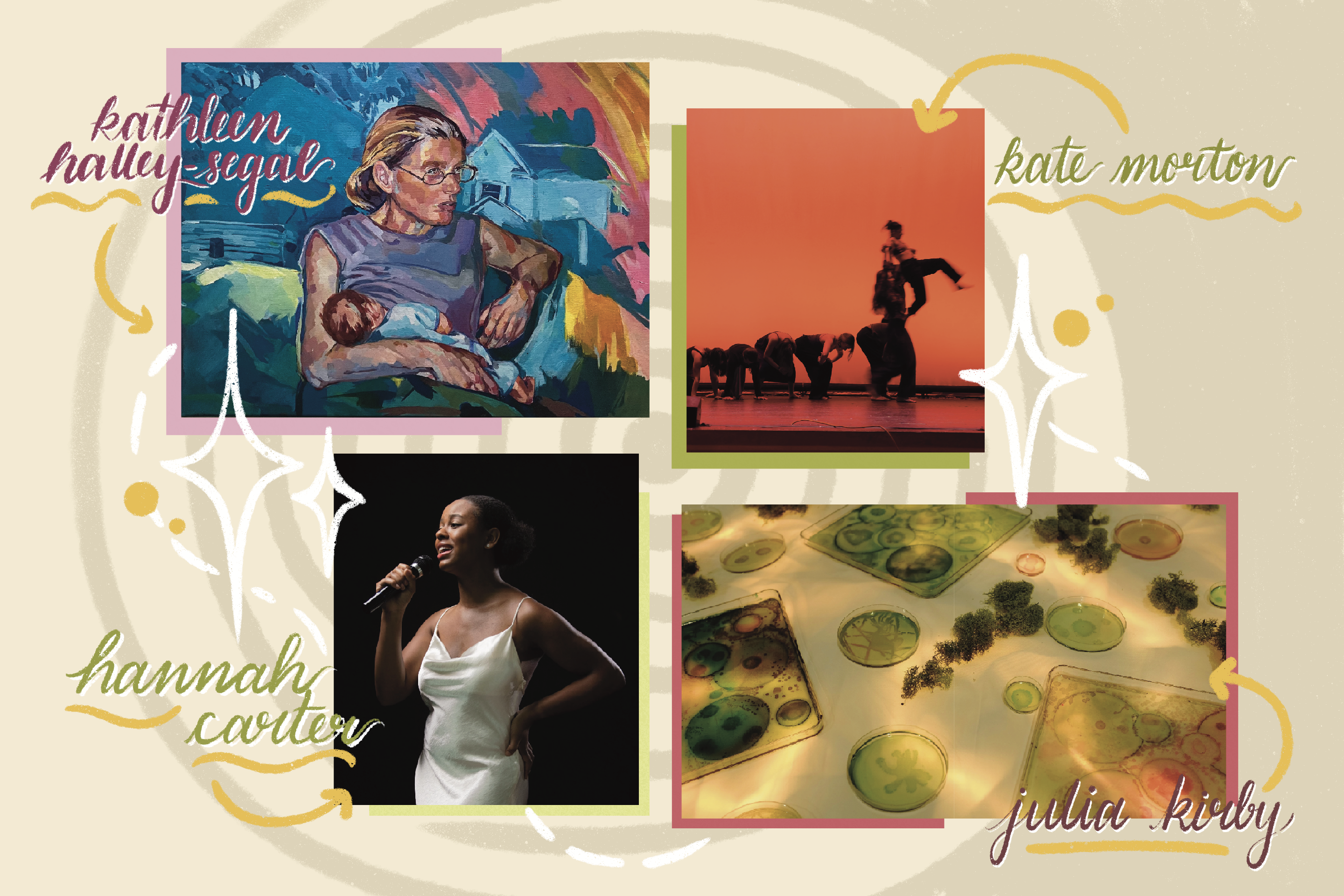
When Hannah Carter, CC ’26, and Kate Morton, BC ’28, first started college, both questioned whether they would continue their respective mediums. Today, Carter and Morton—and many other Columbia student artists—strike a delicate balance between their artistic and academic lives.
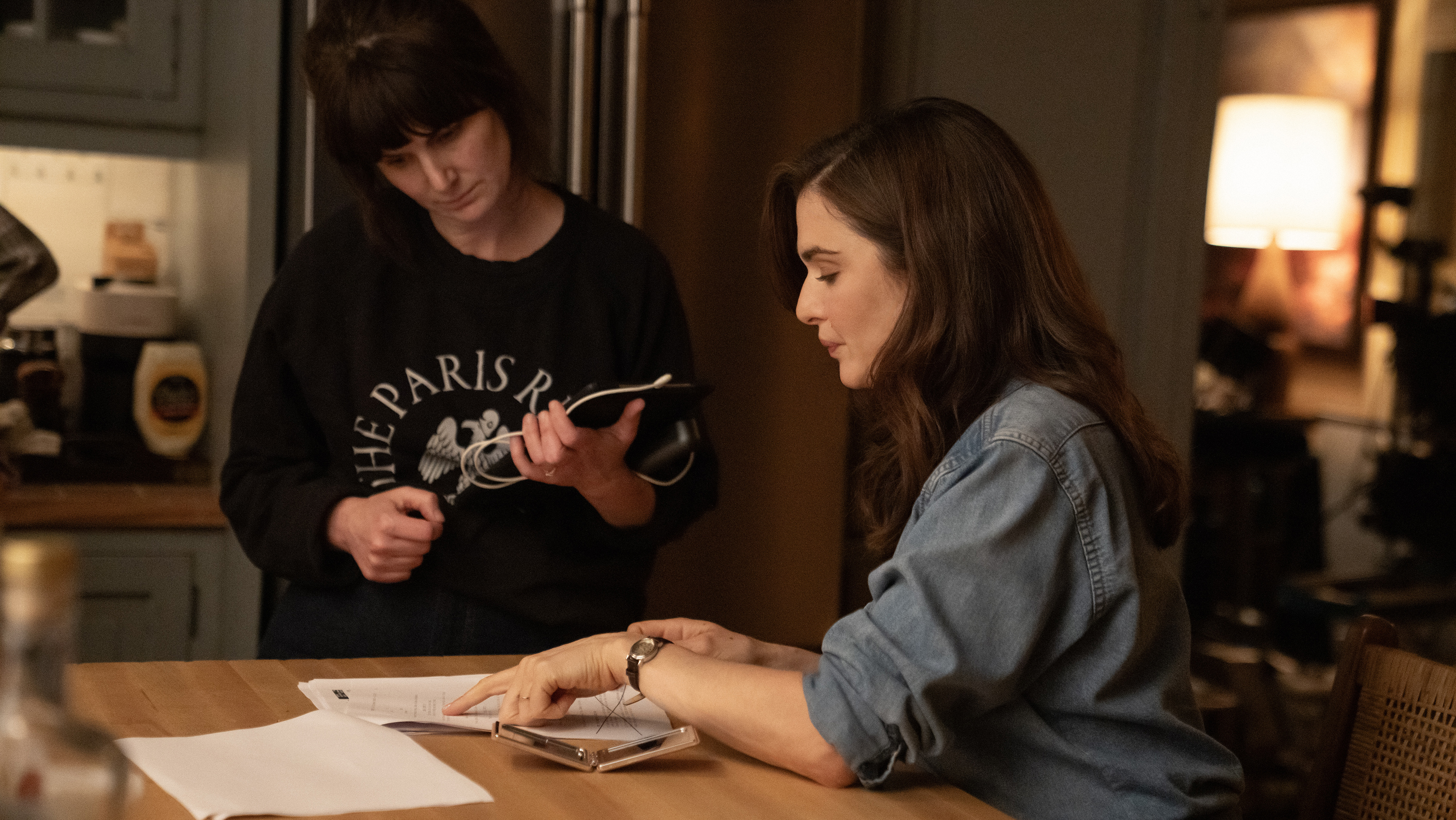
For a show that claims to flip the gaze of Vladimir Nabokov’s “Lolita,” Netflix’s “Vladimir,” by Julia May Jonas, SoA ’12, has a lot to prove. The Netflix adaptation of Jonas’s 2022 novel of the same name aimed to explore the limitations of desire and power placed on women.
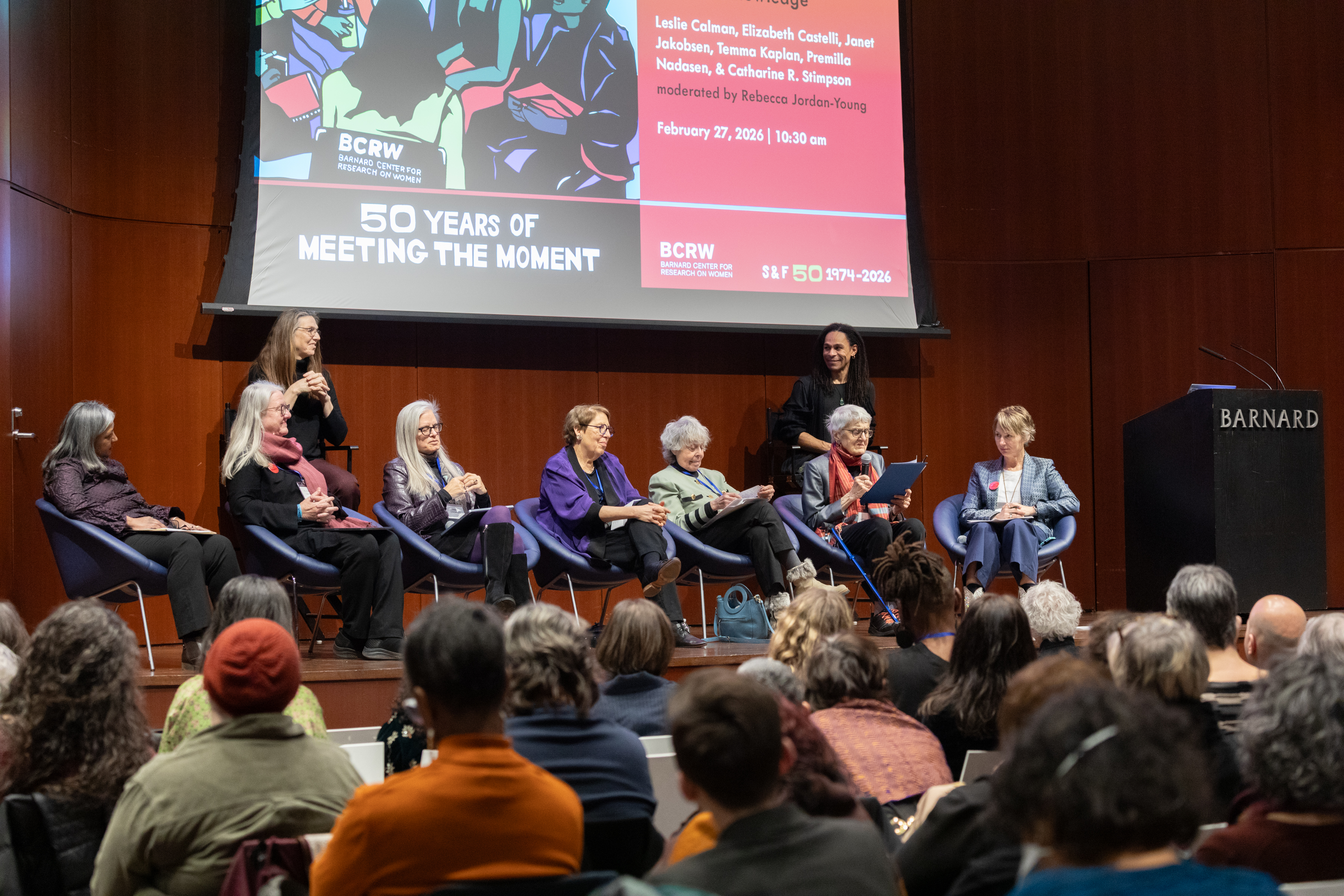
For its 50th Scholar and Feminist Conference, the Barnard Center for Research on Women had one goal: meet the moment.

The radio may not seem like the most natural place for techno, but “Groove Trackers,” a WKCR house music show, begs to differ.
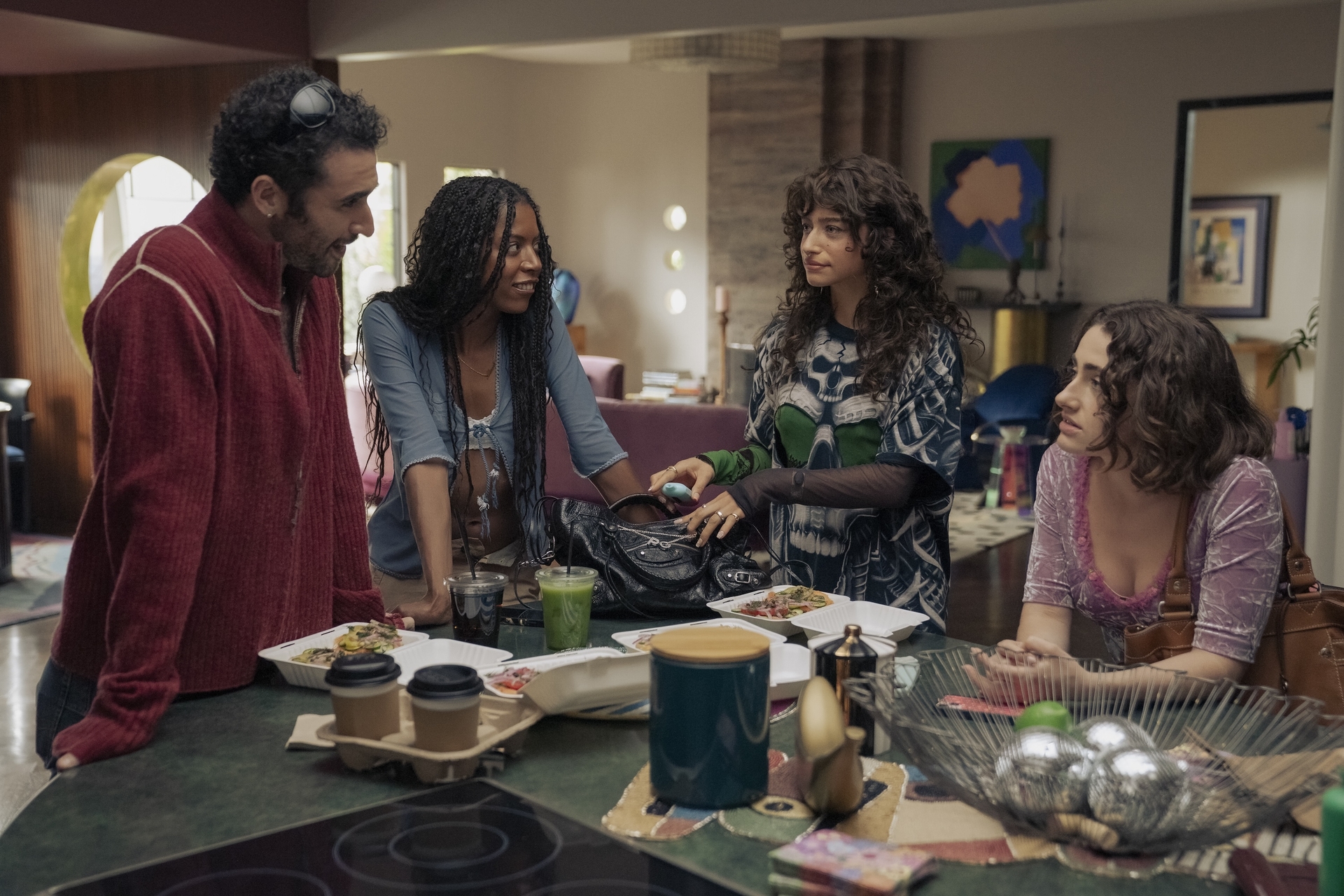
The most memorable line from HBO’s “I Love LA,” co-written by Jean Kyoung Frazier, SoA ’18, conveys the absurdity of the comedy series all in one go: “Should I kill myself on Instagram Live or TikTok Live? Things are getting bad again!” Maia Simsbury (Rachel Sennott) asks in Episode 2. The show provides audiences with a unique satire, ripe with Los Angeles archetypes and strangely revelatory one-liners.

“The Imagination is your home / But memory is not,” Dorothea Lasky, an associate professor of poetry in Columbia’s Master of Fine Arts writing program, writes in her latest collection, “MEMORY.” Lasky suggests in the collection that memory is not a place, but rather something that haunts individuals, communities, and nations. Throughout this collection, published on Nov. 4, 2025, Lasky returns to this theme, reminding the reader of the inhabitability of memory.
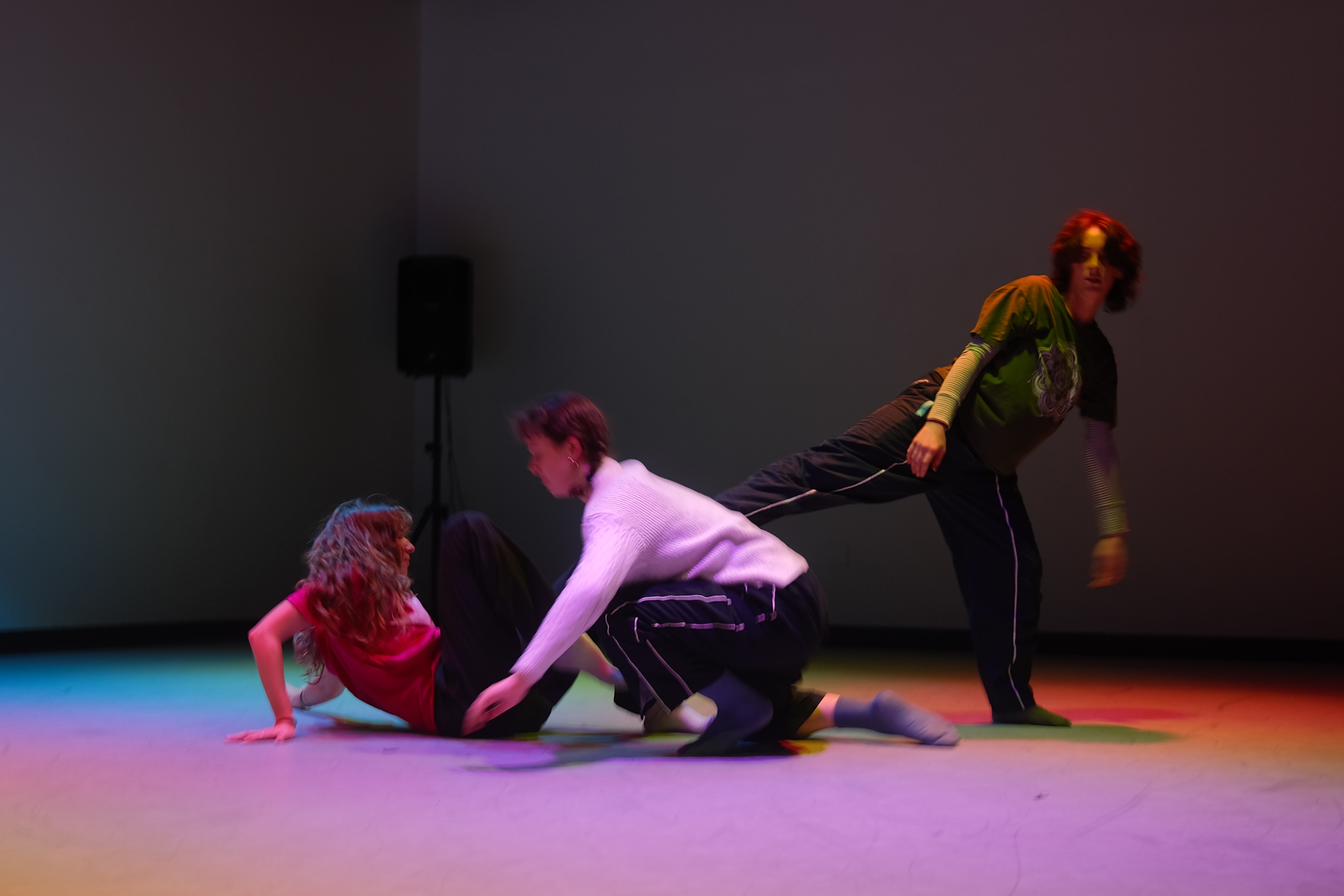
As audience members filtered into Barnard’s Movement Lab, they did not immediately head toward their seats. Instead, they took off their shoes and sat on the floor, settling in to enjoy the show from the ground.

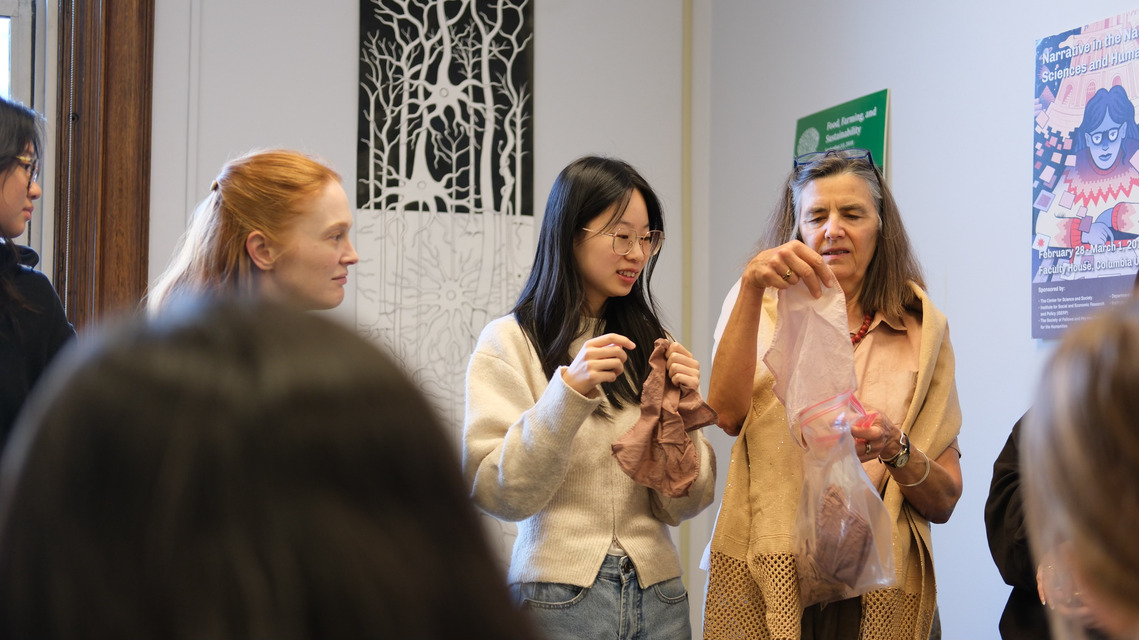
As the culminating event of a 10-day-long seminar, the Making and Knowing Project’s Dyeing and Weaving Showcase manifested new, interdisciplinary ways of understanding knowledge.