
Achilles Frangos
Editorial Page Editor achilles.frangos@columbiaspectator.com
Latest articles
Those familiar with my work at the Columbia Daily Spectator are aware of my passion for campus discourse, enthusiasm for the ethics of journalism, and belief in the function of the press as a fourth branch of government. During my time as editorial page editor, I became enthralled by journalistic principles, so much so that in all three of my published letters from the editor, I extolled these professional guidelines at length before our readers. My editorial vision for Spectator Opinion was centered on institutionalizing a steadfast commitment to fairness, objectivity, and independence in order to advance free speech, transparency, and accountability at Columbia. I often joke that the Society of Professional Journalists’ Code of Ethics became my personal bible, while the language of discourse and debate became my mother tongue.
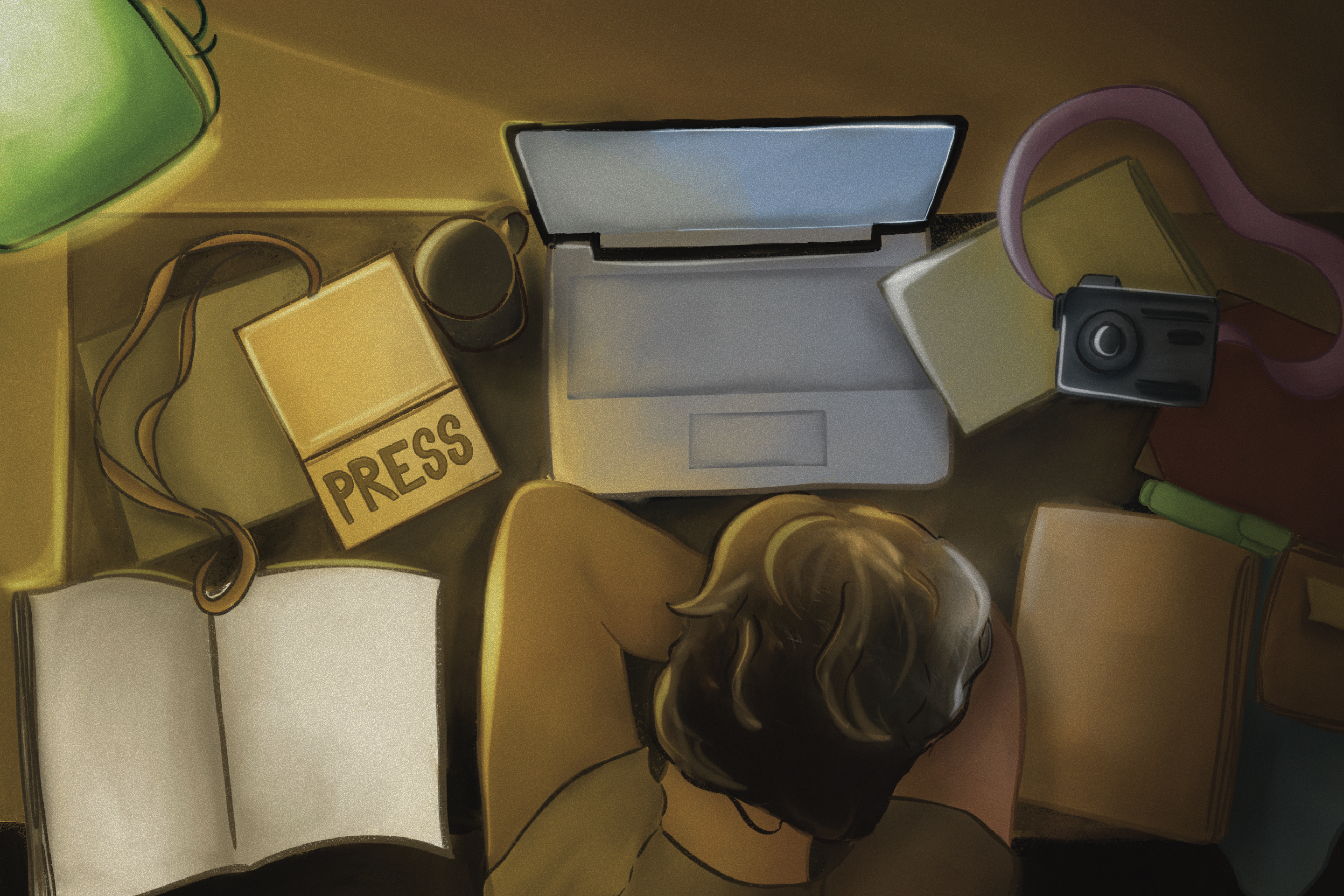
Jeff Bezos’ acquisition of The Washington Post in 2013 left many readers and journalists skeptical. Was it possible for one of the world’s richest people, and the CEO of a corporation as influential as Amazon, to uphold the independence and journalistic integrity of one of America’s most revered newspapers?

Over the past semester, there has been much debate about free speech on Columbia’s campus. In September, the Foundation for Individual Rights and Expression ranked Columbia and Barnard as the two worst institutions in the nation for free expression. According to the report, increasingly severe disciplinary responses to “speech-related incidents” have created a climate of self-censorship and a reluctance to voice controversial or unpopular opinions, driven by fears that speaking up, demonstrating, or merely sharing one’s views will provoke retaliatory administrative action.
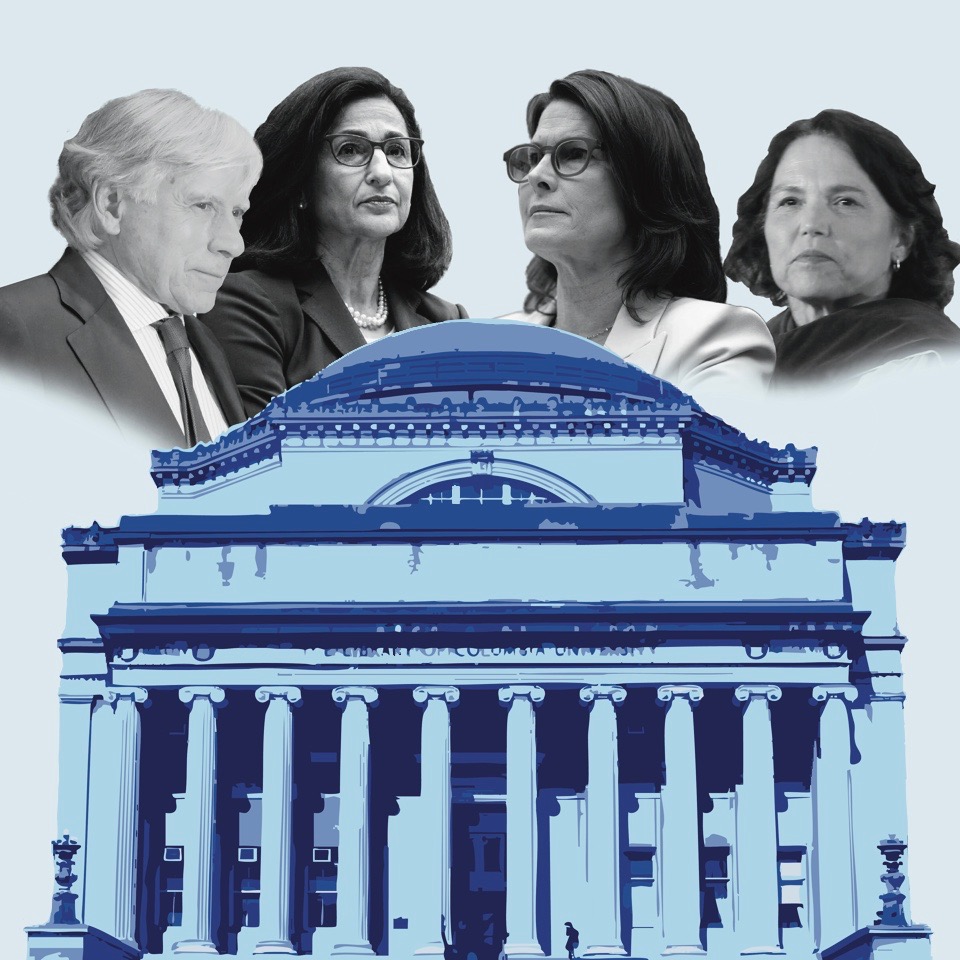
As the search for Columbia’s 21st president continues without student representation, four members of Spectator’s editorial board sit for a discussion of what they’re looking for in Columbia’s next chief executive. Moderator Achilles Frangos, Spectator’s editorial page editor, leads a roundtable discussion in search of the ideal candidate.
As the search for Columbia’s 21st president continues without student representation, four members of Spectator’s editorial board sit for a discussion of what they’re looking for in Columbia’s next chief executive. Moderator Achilles Frangos, Spectator’s editorial page editor, leads a roundtable discussion in search of the ideal candidate.
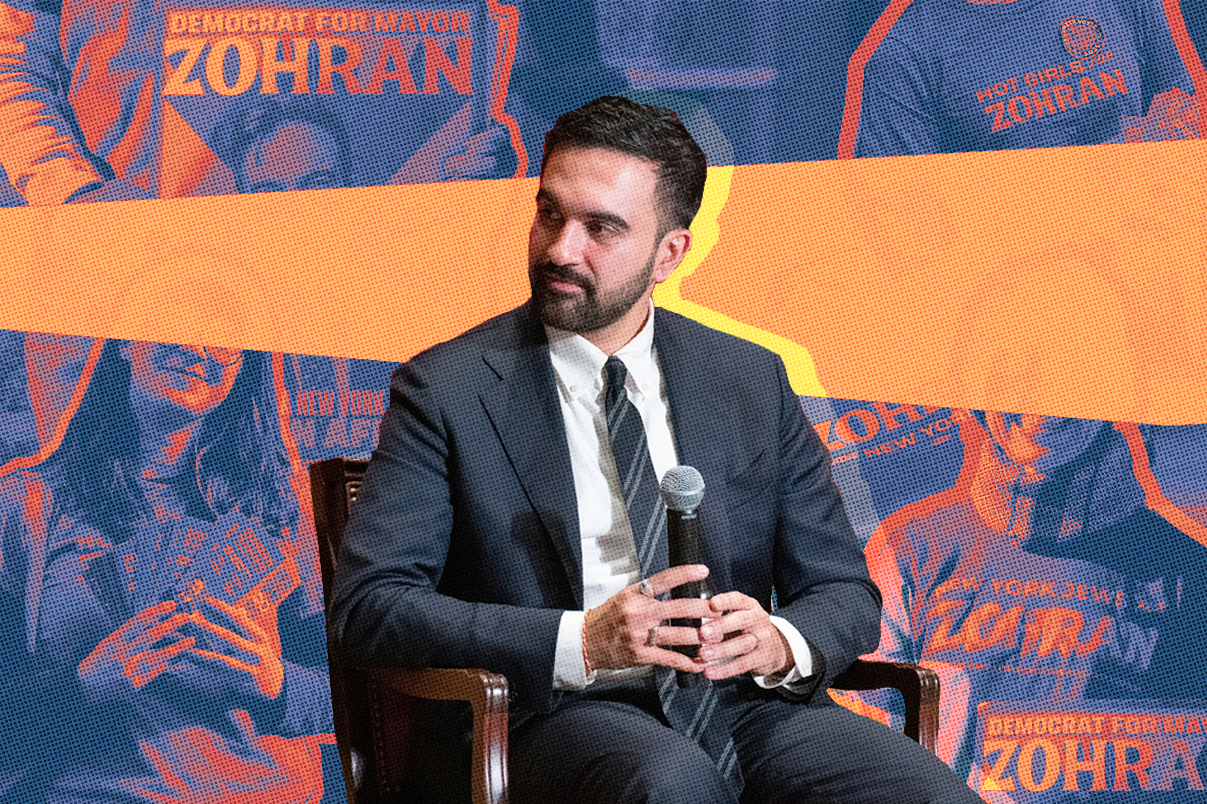
For years, young Americans have been treated as politically apathetic. Numerous studies have shown that those under 30 are the least likely age cohort to vote, less likely to report feeling politically empowered, and more likely to express dissatisfaction with their choices in candidates. In the 2024 presidential election, youth participation saw a considerable decrease compared to 2020, and the share of young nonvoters rose from roughly one-quarter to nearly one-third.
Journalism is in crisis. The fourth estate, long protected by the First Amendment as a crucial check and watchdog for American democracy, now finds itself under threat from financial strain, political attack, and growing public skepticism.

Welcome back to Campus Speculations, the series where we ask Columbia affiliates their takes on all of the questions you’re dying to know the answers to. In this new episode of Campus Speculations, host Achilles Frangos and co-host Isabelle Bouvier chat with Columbia affiliates about their Bacchanal plans.
In just a few short weeks, President Donald Trump has redefined the United States’ relationship with Europe. Members of his administration have publicly supported far-right parties across the continent, while the president himself has threatened tariffs capable of devastating economies, sidelined national leaders in negotiations and peace talks, called Ukrainian President Volodymyr Zelensky “a dictator,” and disrespected a legacy of allyship with no end in sight.
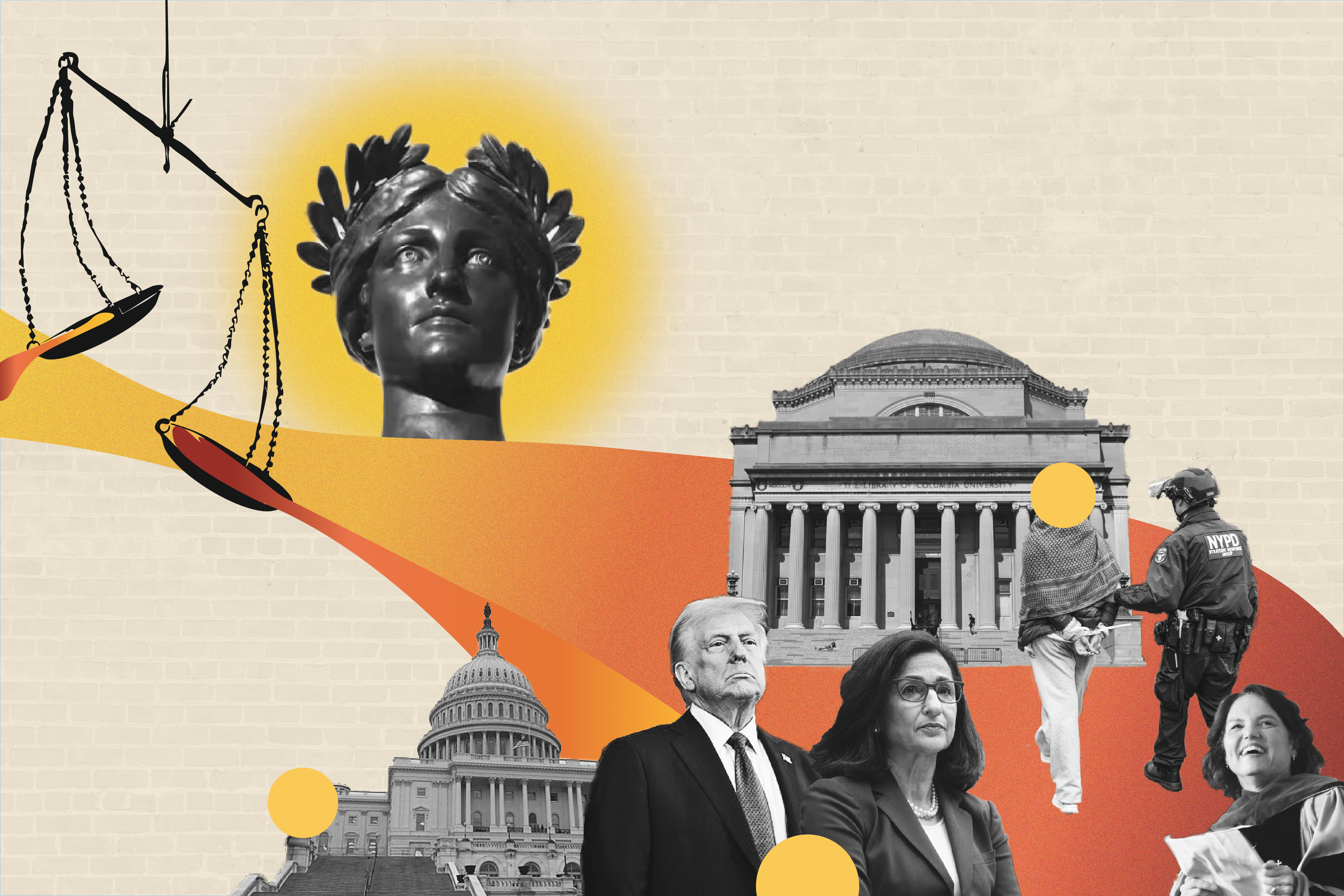
As we step into a new year and a fresh semester, I am struck by the profound shifts that have reshaped the contours of campus life at Columbia throughout the past year. These changes, which both tested our community and created enduring divisions, fundamentally altered the dynamics of our University. These challenges largely stemmed from our University administration’s inability to fulfill its basic duty to protect its student body and ensure the well-being of its students. Regrettably, the administration has long been plagued by a lack of transparency, lackluster leadership, and a noticeable disconnect from the thoughts and feelings of its students.