
Achilles Frangos
Editorial Page Editor achilles.frangos@columbiaspectator.com
Latest articles

For the first time in decades, the United States is experiencing a labor boom. From Screen Actors Guild-American Federation of Television and Radio Artists to the Teamsters to the United Auto Workers strike, labor militancy is on the rise. Even on our own campus, the Barnard Resident Assistant Union is close to signing its first contract while the Columbia Postdoctoral Workers Union voted in favor of strike authorization in August over the University’s alleged reluctance to discuss anything other than a change in workers’ salaries. Naturally, these events have prompted examinations of worker demands, but also of the merits of unions writ large. To me, however, it is apparent that organized labor is not only desirable, but a necessary prerequisite for a powerful and represented working class.

This past June, I attended New York City Pride for the first time. Excited to finally partake in the celebration of queer people in the very city where the gay liberation movement was born, my friends and I made our way down to 25th Street and Fifth Avenue, where the event was set to take place. Upon our arrival, however, we were greeted by barricades and police officers who asked us which group we were part of. “None,” we answered, only to be informed that the street had been reserved for floats, and that we would therefore have to stand on the sidewalk—in other words, to be spectators rather than participants.
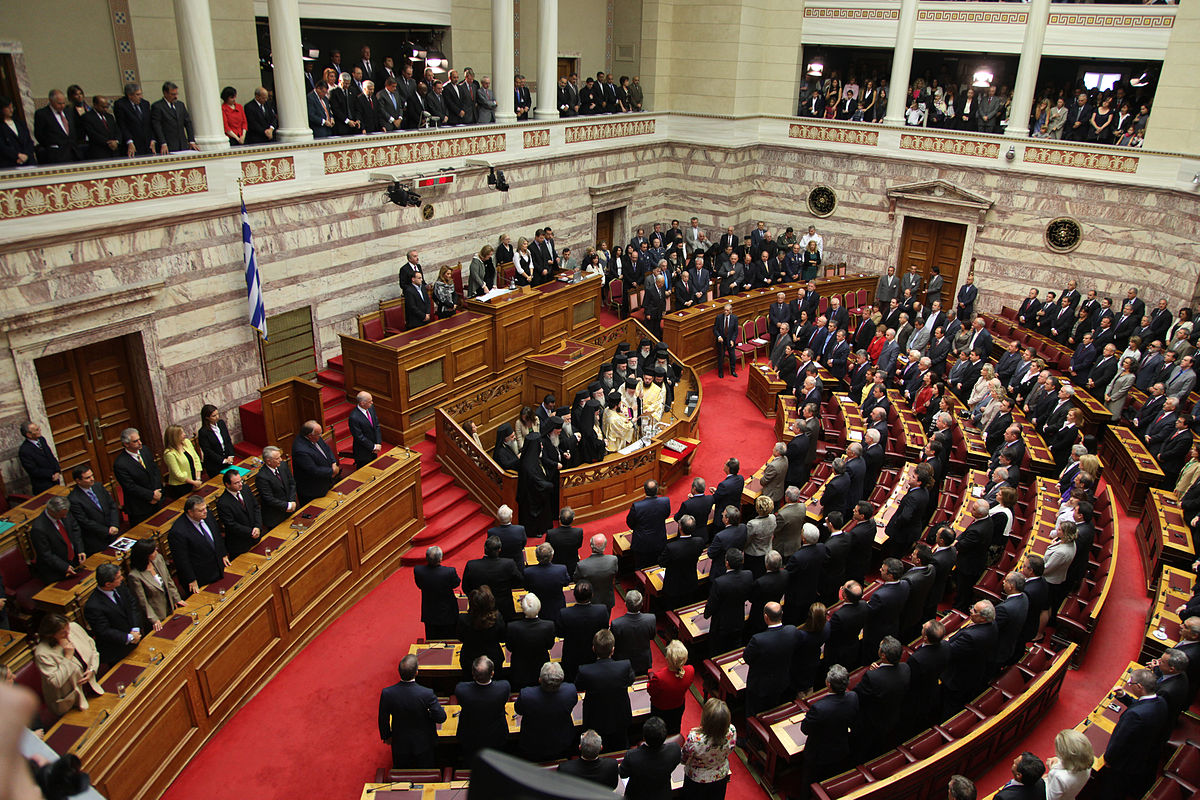
Consequently, the general public became acutely and painfully aware of New Democracy’s irresponsible and neglectful governance. University students, many of whom personally knew individuals who died in the accident, marched in the streets, protesting that the government cared little about their safety and charged that the government was responsible for their deaths. This invariably led to a four-point fall in New Democracy’s popularity and the closing of the gap with SYRIZA.