
Allanah Elster
Latest articles

Teenagehood has an impressive publicity campaign as supposedly the most exciting period in our lives, and yet, being a teenager is often painfully boring. The day-to-day can be rote; the people you interact with are fairly predetermined; and finding purpose is nearly impossible when you are attempting to grow in a cramped, fixed space. Up against this claustrophobia is the leading lady of “The Sweet East”—Lillian (Talia Ryder), a teenage girl who runs away from her life in search of nothing in particular aside from new stimuli and a break from the cloying boredom of her life.
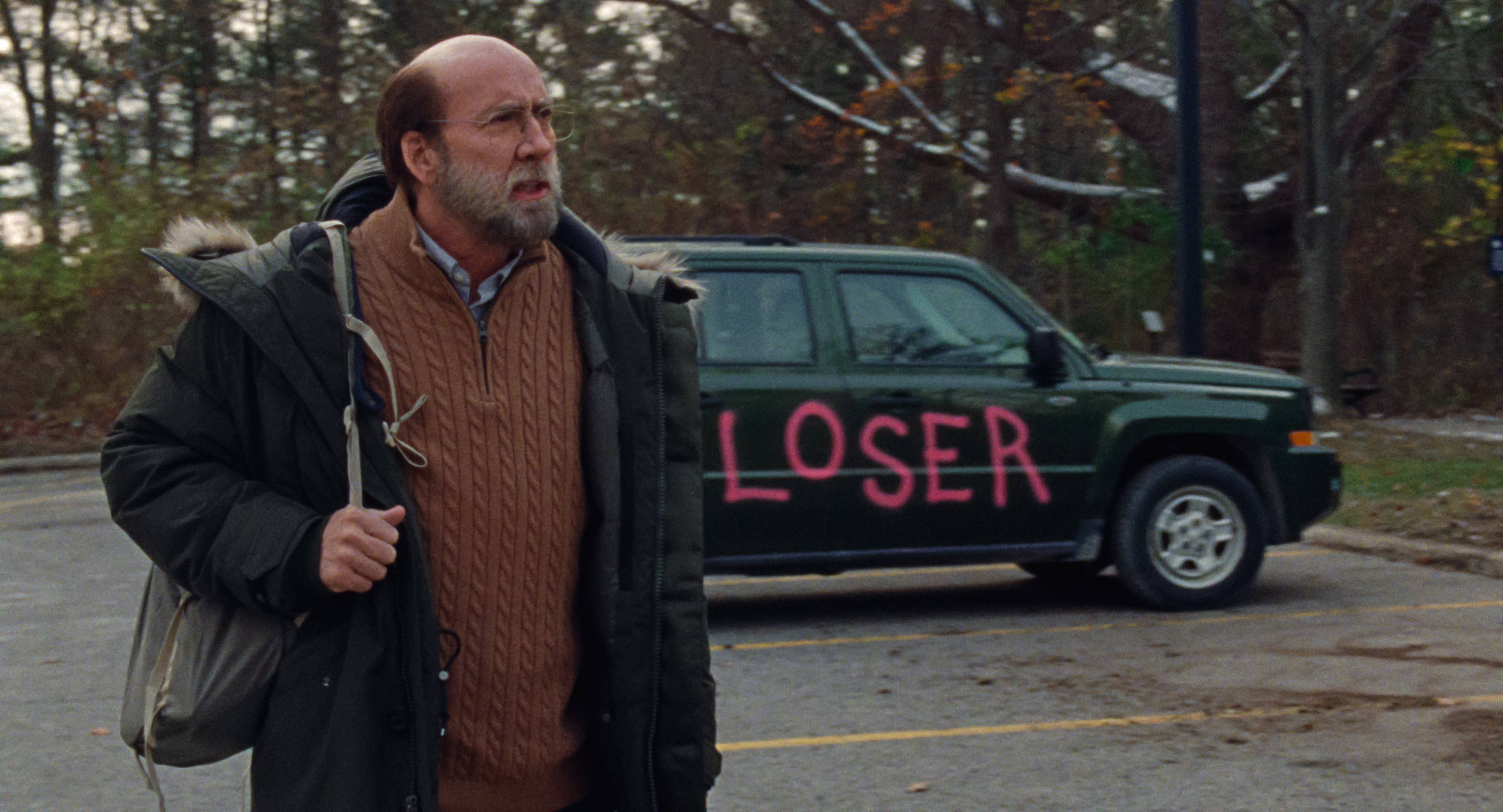
The foundational requirements for achieving global fame do not include beauty, wealth, or even any level of talent. The only mandatory qualification is visibility, which can be achieved through a myriad of avenues ranging from TikTok algorithms to infectious word-of-mouth rumblings. Kristoffer Borgli’s “Dream Scenario,” produced by Jacob Jaffke, SoA ’10, conceives of a world in which even the most humdrum man is able to reach the heights of fame through the newest unorthodox path—spontaneously appearing in everyone’s dreams.

Being gay in high school is, in the worst-case scenario, a dangerous and tumultuous battle for safety. The best-case scenario? A blundering comedy of errors. Even in the most accepting of environments, queerness exponentially complicates the already perplexing landscape of first crushes, first kisses, and first times. While adolescent awkwardness is certainly agonizing to experience, there is still a level of comedy in falling for painfully straight girls or figuring out how to dress just gay enough that other gay people know what’s up.

Watching beautiful women do awful things on screen can be decadent. There is an entire subgenre of cinema devoted to capturing the moment when a sultry damsel suddenly reaches her threshold of repressed rage and wreaks bloody chaos on the world around her. However, William Oldroyd’s “Eileen,” adapted by Ottessa Moshfegh, BC ’02, from her novel of the same title, resists the urge to stylize female desire and destruction as something palatably “sexy.” “Eileen” serves up a portrait of carnal, odious female desire that is hard to swallow and even harder to keep down.

The closest man can come to becoming a god is by shaping a narrative—a sentiment that an overqualified high-school English teacher attempts to impress upon a room full of nihilistic, suburban teenagers in Richard Kelly’s 2004 director’s cut of “Donnie Darko.” The brooding, agnostic, anti-authoritarian 16-year-old sitting in that classroom, the eponymous Donnie Darko, is played by Jake Gyllenhaal, a former Columbia College student. He does not know it yet, but Donnie is on the precipice of becoming divine by way of shaping his own narrative that transcends science and temporal boundaries.

The bulk of what you may consider to be childhood “memories” are likely a composite of stories you’ve been told and photos of the past. The formative moments you truly remember from childhood are fragmentary and sensorial. You might remember being a kid in the backseat of a moving car—your head nuzzled in the crook of your parent’s shoulder as your eyelids strain to stay open, rendering your view of the world a hazy neon blur through the window. As the years creep by, you cannot recall the buildings you passed by or the song on the radio but you forever remember a feeling of warmth, simplicity, and comfort that you now unwittingly yearn for. This moment is where 11-year-old Sophie (Frankie Corio) begins a formative summer vacation in Turkey with her father, Calum (Paul Mescal) in Charlotte Wells’ nostalgia-drenched debut feature, “Aftersun.”
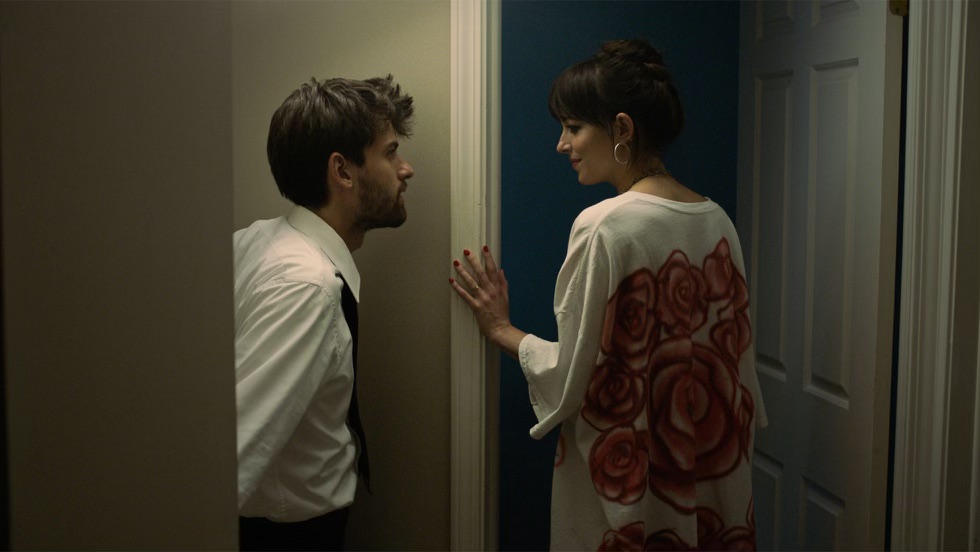
Andrew, the protagonist of “Cha Cha Real Smooth,” is the type of sensitive, introspective individual who was probably told by teachers growing up that he would “find his place in college.” Speaking as that type of kid myself, the teachers were pretty spot on. For those immersed in existential contemplation far too early in life, a well-suited college campus provides the precise social microcosm needed to experience a sense of belonging and have the space to ask unfathomably large questions. Andrew finds this vibrant community at Tulane University, but as his classmates all move onto careers and concrete post-graduation plans, the little world Andrew had built at college dissipates and he finds himself moving back to his nondescript suburban hometown.
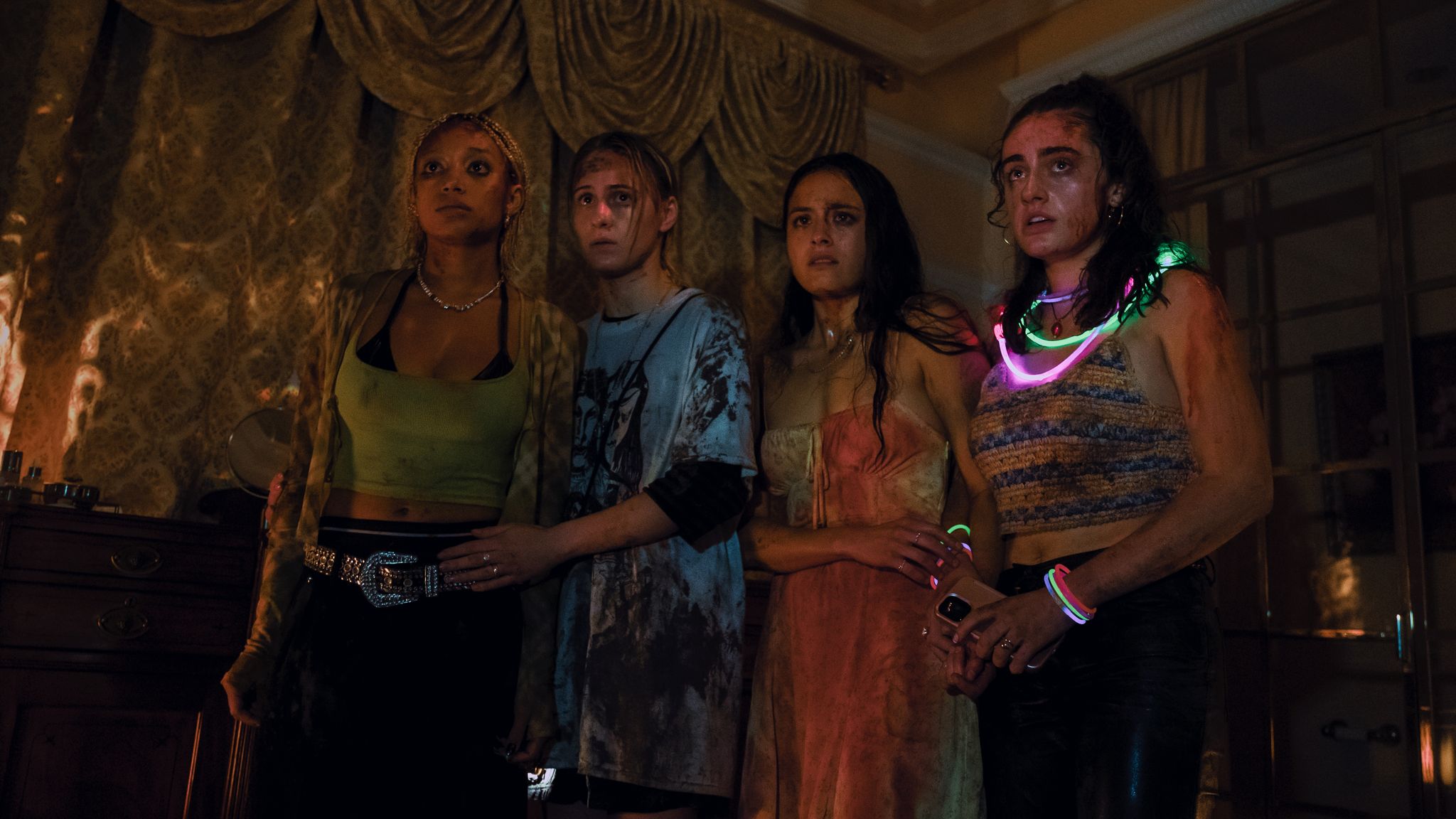
According to much of cinematic canon, female “coming of age” takes place around age 16. There are classic signifiers—a girl learns to drive, has a mediocre sexual experience with the intimidatingly cool boy, or gets drunk on strategically “borrowed” liquor—and then, instantly, adulthood is upon her!

A gory ’70s porno-slasher crossover sounds like the type of horrifically exploitative, self-indulgent VHS tape that die-hard fans have stashed away in their dusty basement storage containers. Horror and porn are two genres that have not always been regarded as the highest art forms—often, the goal is simply to get viewers’ hearts racing in one way or another while artistry falls by the wayside. It is exactly these expectations that writer-director Ti West’s new film “X” flirts with, subverts, and strategically fulfills.
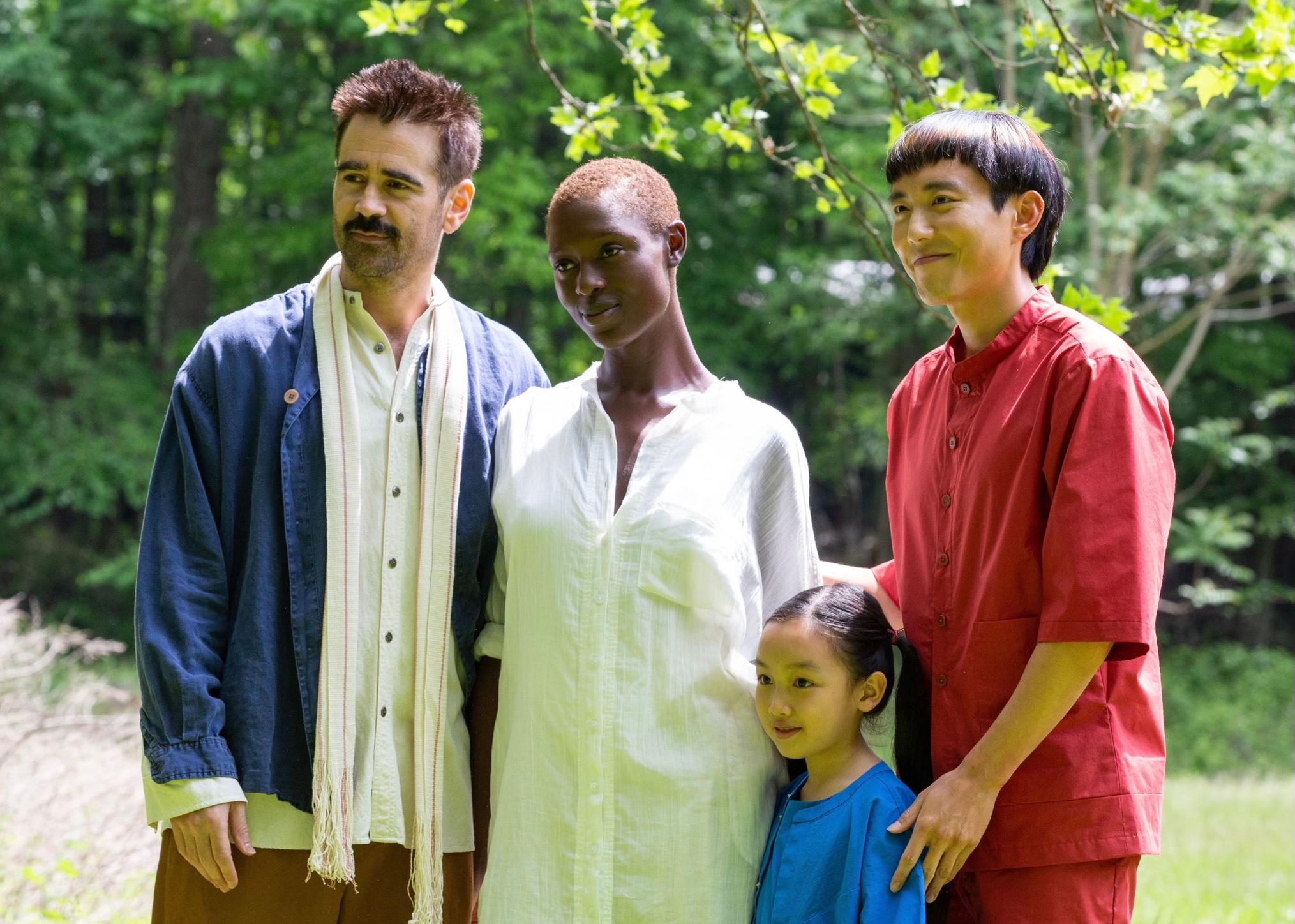
The world of director Kogonada’s “After Yang” is only narrowly different from our own. Though many sci-fi film directors choose to luxuriate in the world-building that the genre affords by crafting dystopian cityscapes or monstrous alien creatures, Kogonada opts for a more minimalistic, emotionally driven approach to the genre. The cars in “After Yang” do not fly or transform into robots—they are, however, inexplicably filled with lush flora. Though viewers may imagine the specifics of the car’s exterior or how it operates seemingly without a driver, these details are somewhat superfluous to Kogonada. Instead, the details that propel the film forward are the nebulous emotions of the beings within the car.