
Bella Pechaty
Arts & Entertainment Staff WriterLatest articles
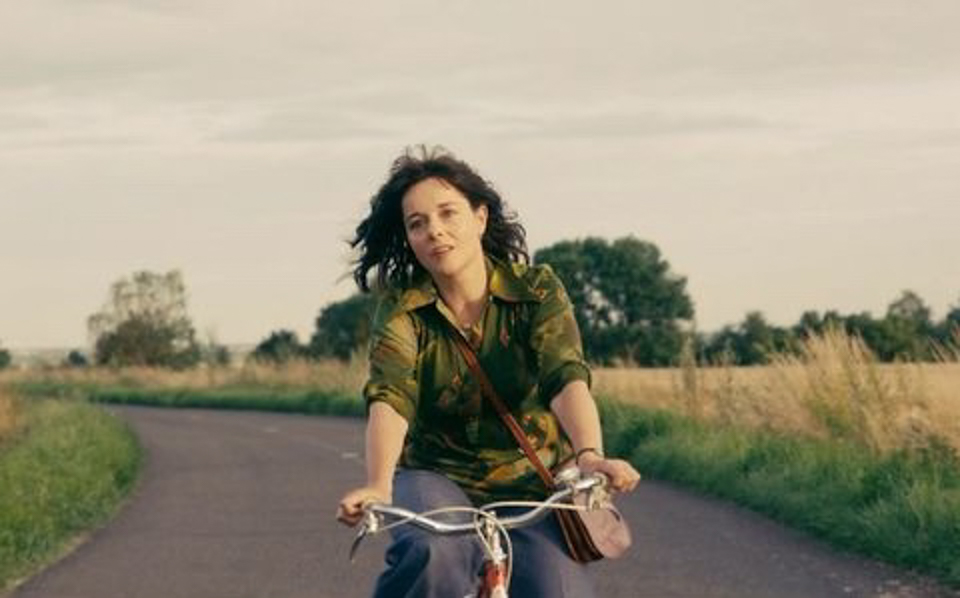
“Abortion is not a sickness,” a local activist says to her companions around a café table, crowded by cigarette smoke and intense debate. It is an unfamiliar sentiment to Annie (Laure Calamy): In rural 1970s France, abortion is treated as a shameful disease, only resolved in secret, painful spaces and conducted by strangers with sharp objects.
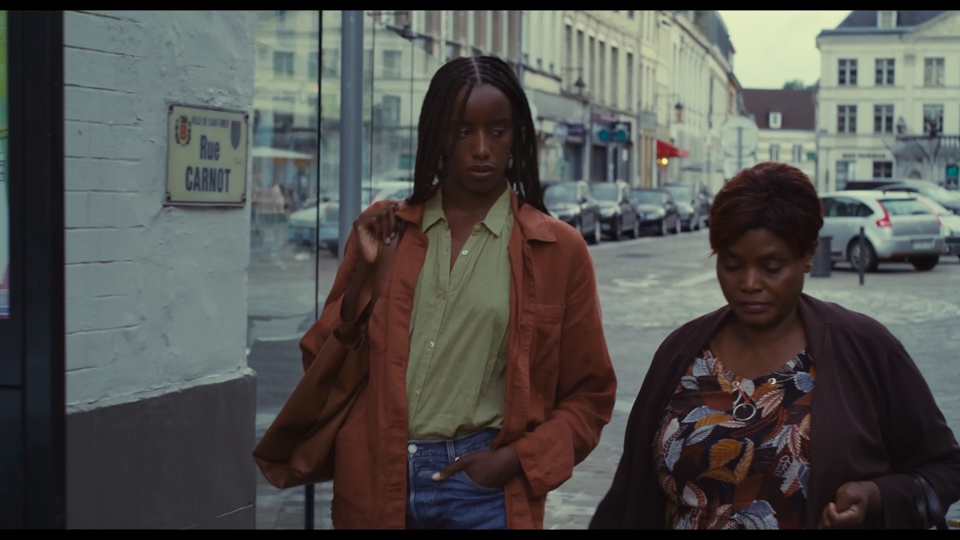
“Saint Omer” opens with the sound of waves and the image of a woman walking on a beach at night, carrying an infant. By most interpretations, it is a peaceful image, but the somber and puzzling tale that follows challenges audiences’ initial impression of this mystery woman.

As a black cloud of airborne toxins swallows the neon-glowing gas station behind him, Jack Gladney (Adam Driver) refills his family station wagon with a death-grip on the nozzle. This scene is a rare moment of quiet in “White Noise”—engulfed by an ecological disaster, with the usual chatter of radio, television, and suburban humdrum drowned out, Jack’s world reverberates with ominous silence.
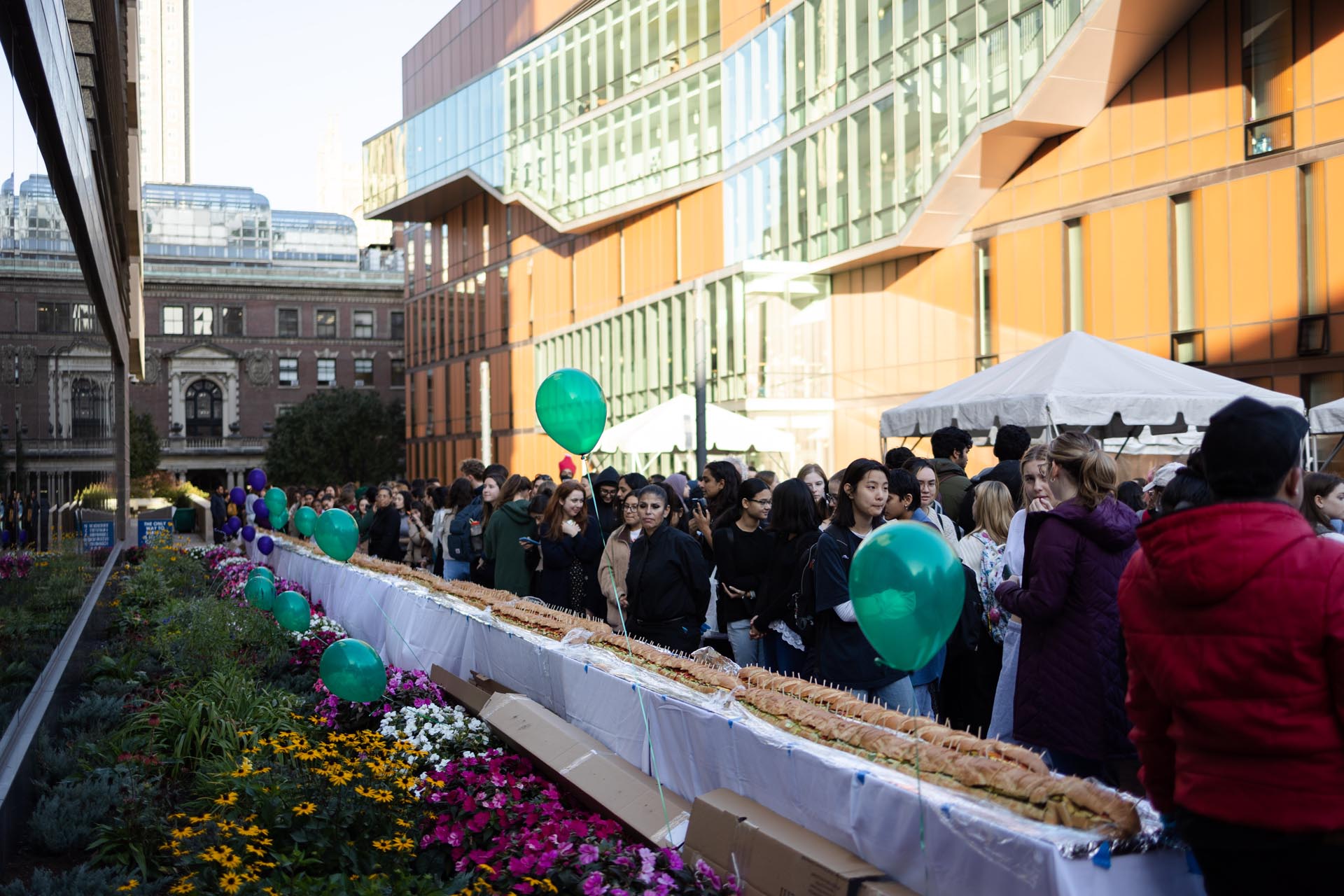
On a fall afternoon, a really long sandwich stretched from the College’s entrance gates to the Diana Center. Barnard’s narrow walkways became more crowded than usual with lines of expectant students, decorations, and tables of sandwiches spanning the entire campus.
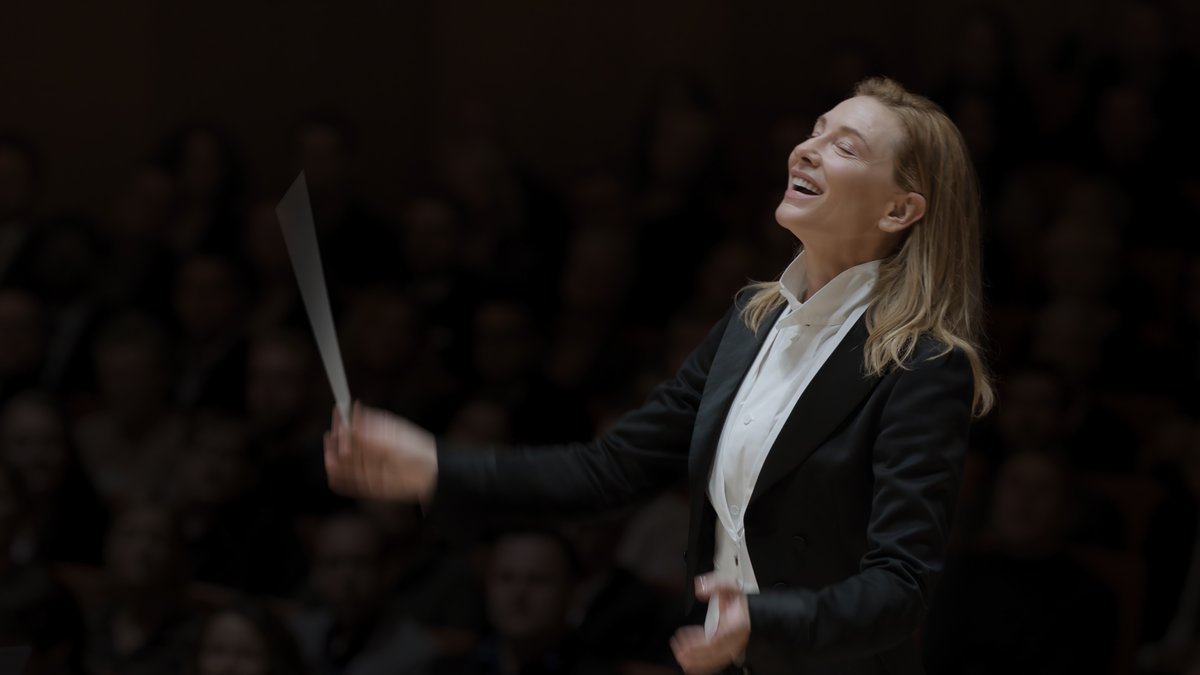
Film-festival fare often holds a reputation for being cerebral, aestheticized, and inaccessible.
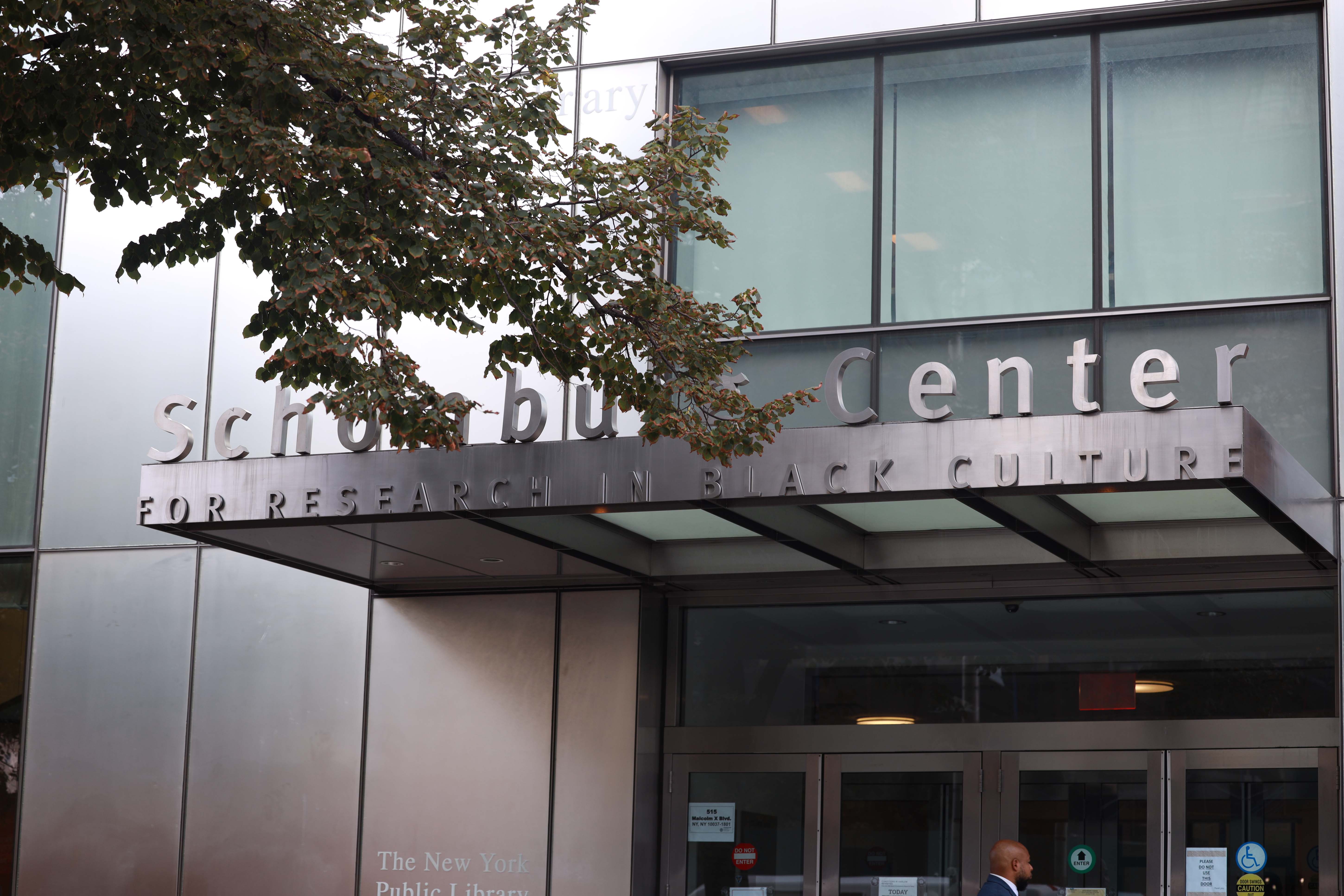
In a day of appreciation for Black artistry and scholarship, an audience sporting afros, locs, and braids gathered in the theater of the Schomburg Center for Research in Black Culture. Even on a Saturday morning of heavy rain, the audience’s anticipation for the carefully curated screenings, panels, and community-centered programming was palpable.

“My name is Sankyo. This is Finch. We go to school in New York, but we are not New Yorkers. I’m not opposed to the idea of being one, but I’m also not sure the designation it takes,” Sankyo says in the first installment of “Sankyo Stream of Consciousness,” a web series produced by Fergus Campbell, CC ’22. This free-flowing, hallucinatory narrative is at the core of the series.
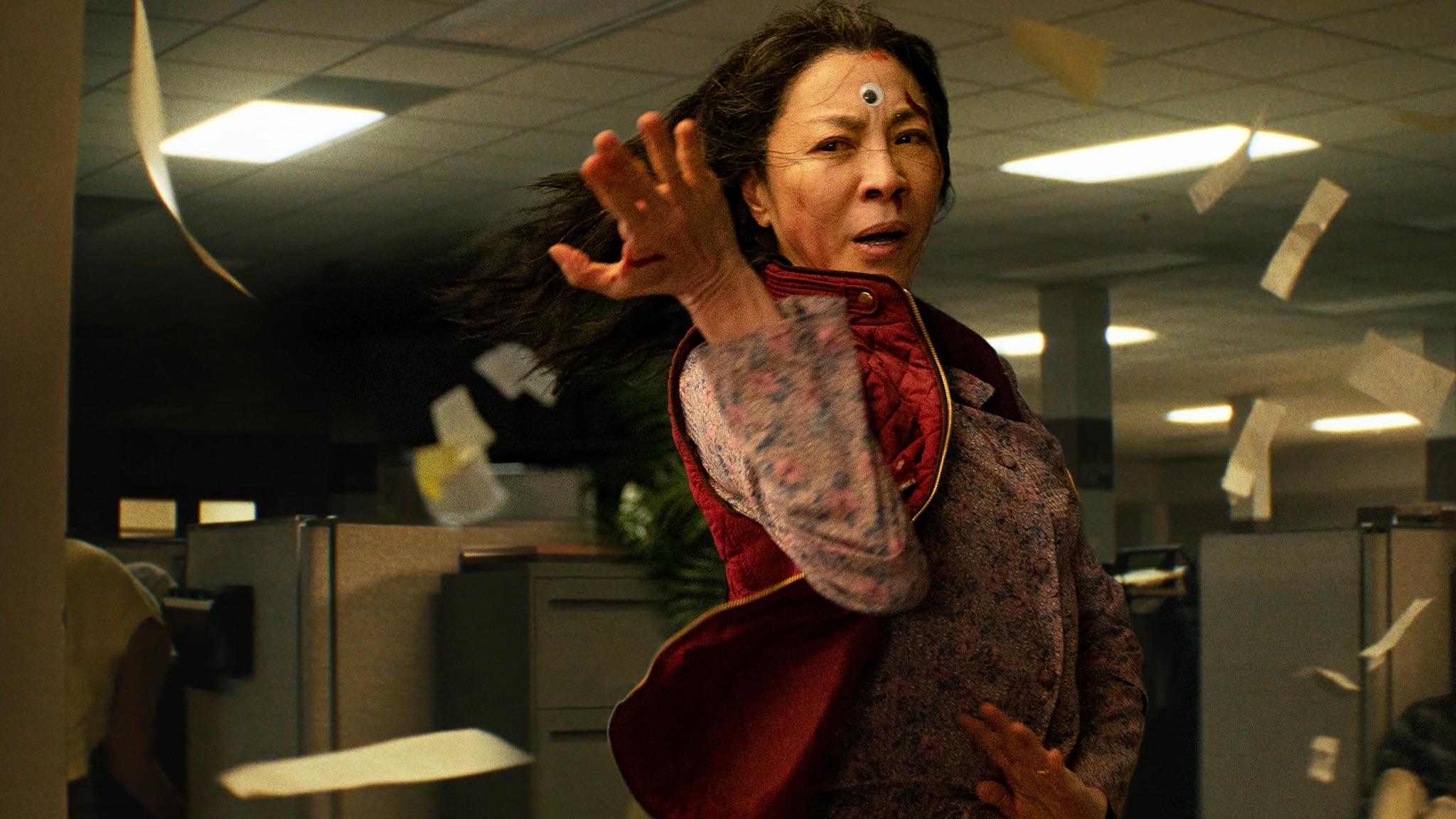
Quantum physicists and creatives alike are fascinated by the prospect of the multiverse, where infinite versions of ourselves exist across parallel realities. Maybe one of these versions has learned kung fu, maybe another works in a restaurant, maybe another is getting a divorce. Reaching into the multiverse to commune with these identities brings endless possibility, conflict, or even madness.
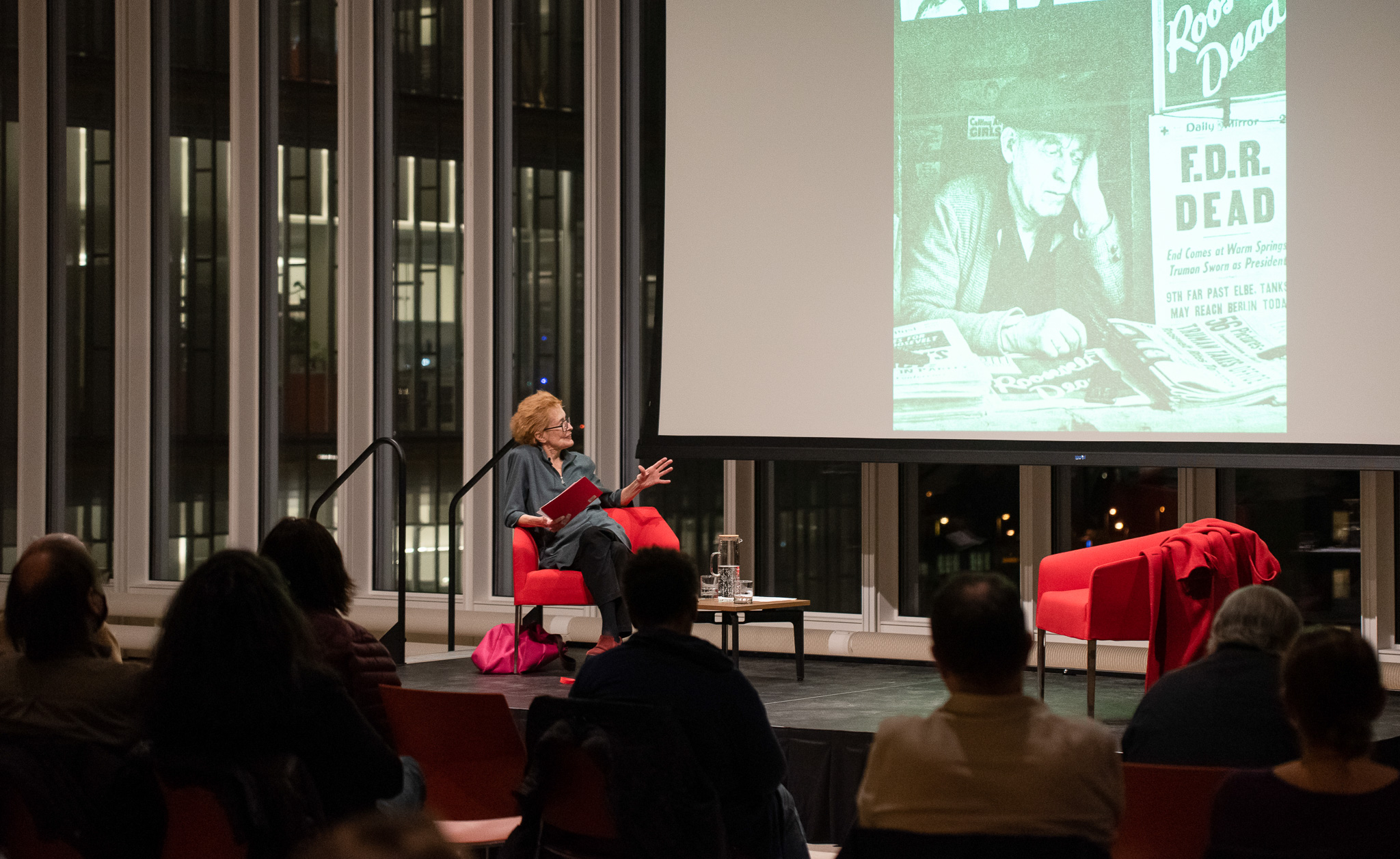
Beyond its pronounced shadows and smoky interiors, film noir is noted for its depiction of pariahs, figures hounded by injustice and operating on the fringes of a morally bankrupt society. Outcast characters like these, who became hallmarks of the genre, are a special point of interest for the Third Annual Dr. Saul and Dorothy Kit Film Noir Festival, screened on Columbia’s campus.
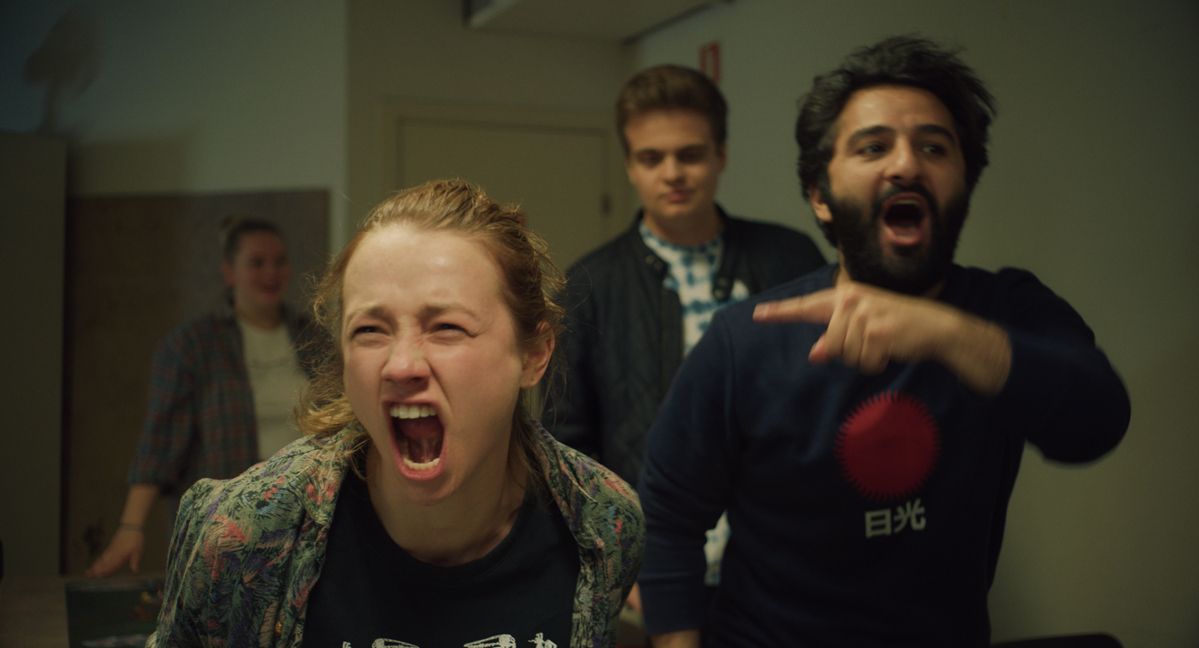
Rakel’s list of life aspirations includes being an astronaut, a beer-taster, a globe-trotter, and a comic book artist. Nowhere to be found on her list was becoming a mother. But when an unknown culprit crawls into her womb with superhuman stealth and stays there, undetected, for over six months, Rakel is left too far along to terminate her surprise pregnancy. She calls this trespasser Ninjababy.