

Fernanda Aguero
Latest articles
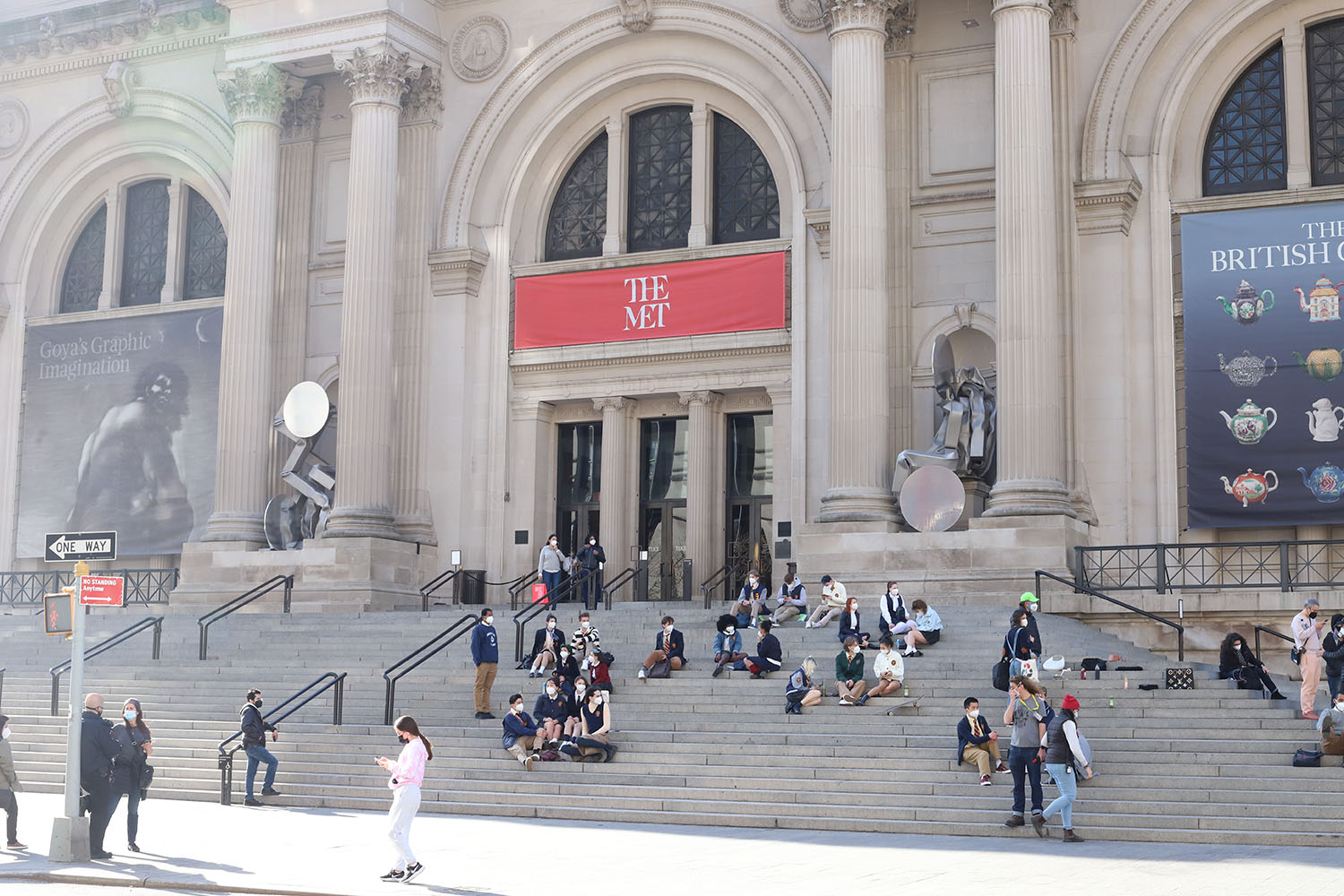
Artists have studied the prowess of the New York City art scene extensively. As per modernist artist Georgia O’Keeffe, the vibrance of the city is not understated. “One can’t paint New York as it is, but rather as it is felt,” the former Columbia professor noted. Yet today, numerous exhibits and performances across New York City keep the city’s artistic pulse alive through displays of irregularities and everyday charms of the lives and objects of the world.
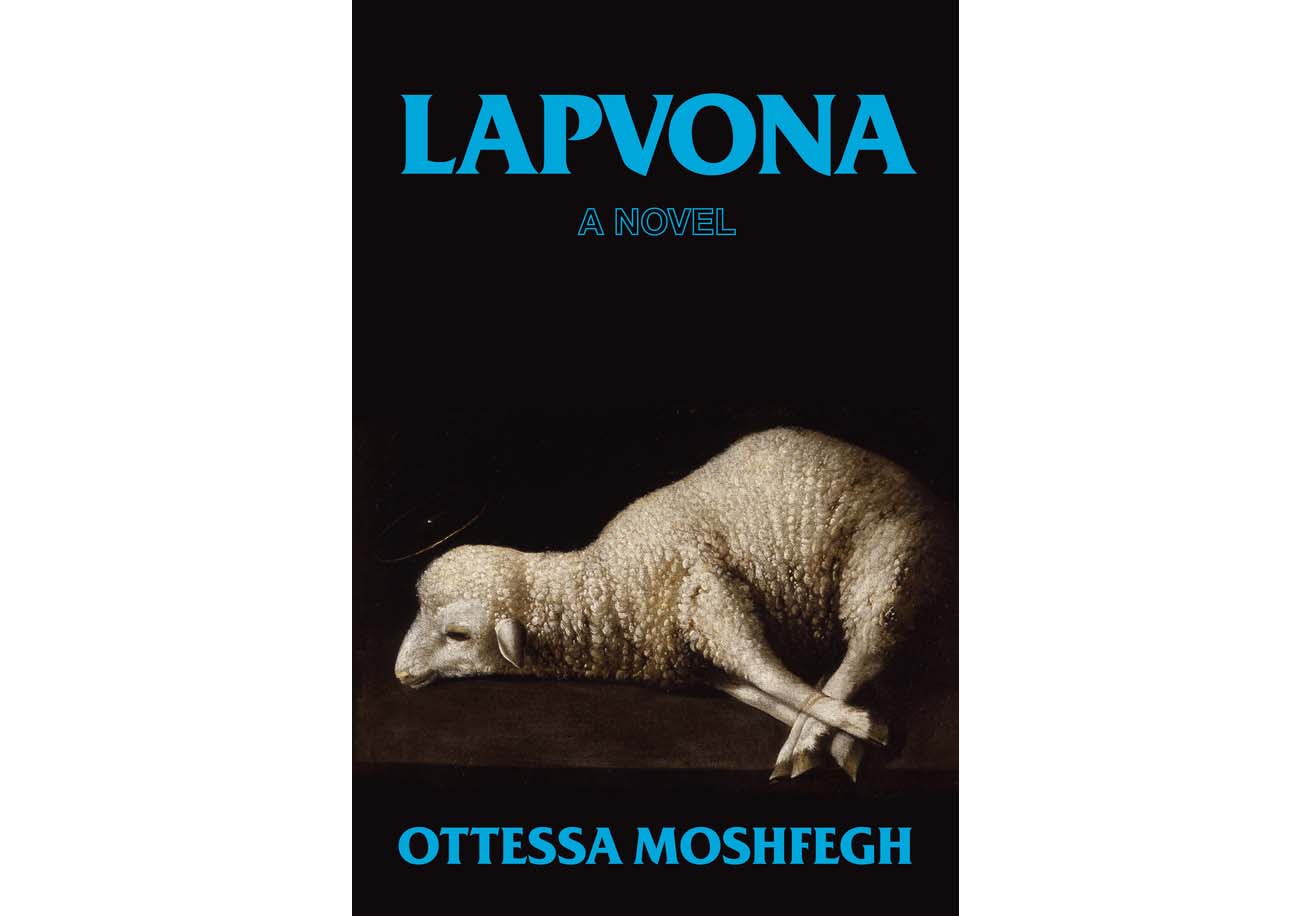
Ottessa Moshfegh, BC ’02, describes her writing as selfish. In the classic Moshfegian style, her work is riddled with dissections of the human body, with graphic depictions of bodily wastes and self-induced pain. Her debut novel follows titular character Eileen through chronic constipation and subsequent laxative-induced purges. Her later bestseller, “My Year of Rest and Relaxation,” recounts the attempt of Moshfegh’s unnamed protagonist to sleep through an entire year by abusing sleeping pills. A journey launched with the protagonist’s public defecation at her posh art gallery job.
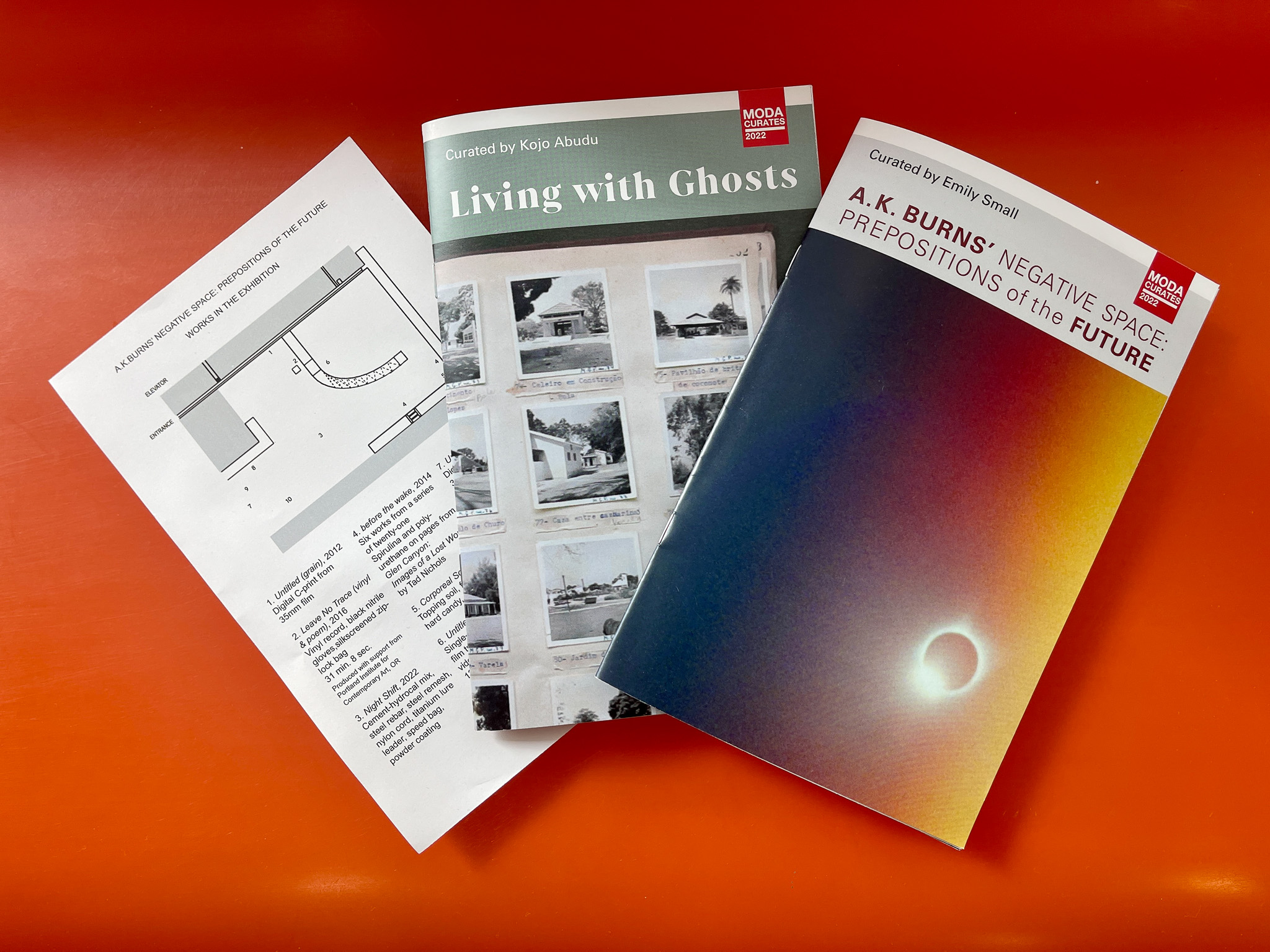
The traditional museum model creates a degree of separation between the spectator and the art. Bulletproof glass protects da Vinci’s Mona Lisa in Paris; motion sensor alarms line the objects on exhibit at The Met. This empty space—what keeps a spectator from touching, from harming, from ruining—is rarely considered a major player despite its silent authority. Few consider space’s role in the development and significance of art.