

Karolina Nixon
Arts & Entertainment Staff WriterLatest articles
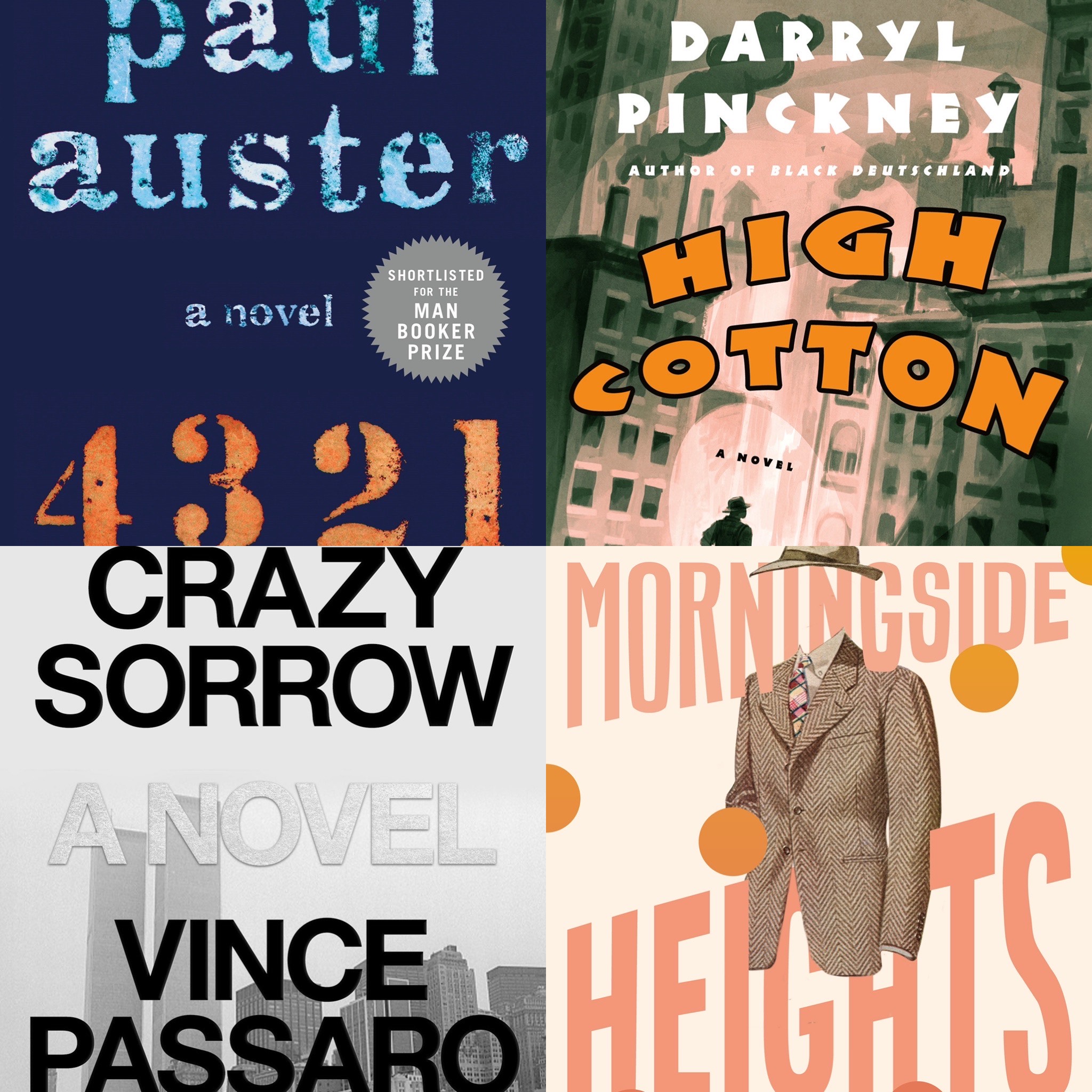
The Columbia campus novel genre is not as broadly explored as one might expect. Despite Columbia’s host of notable author alumni, most novels that claim membership are only partially set on the University’s Morningside campus or in the Morningside Heights area. Compared to other esteemed universities like Harvard University, whose bookstore, The Coop, displays an extensive array of Harvard campus novels at the beginning of each year, or Oxford University, whose campus is forever enshrined in classics like “Brideshead Revisited” and the “His Dark Materials” series, the number of books that prominently feature Columbia as an integral narrative element is underwhelming.

Spectrum published an article featuring a list of books intended to supplement Columbia’s Core Curriculum last May. For each Core class, one book was recommended to (hopefully) inspire students to take their required coursework more seriously. An important book was unwittingly excluded, one that might have replaced the aforementioned list altogether: “Rescuing Socrates,” by American studies professor Roosevelt Montas, CC ’95, GSAS ’96, GSAS ’04.
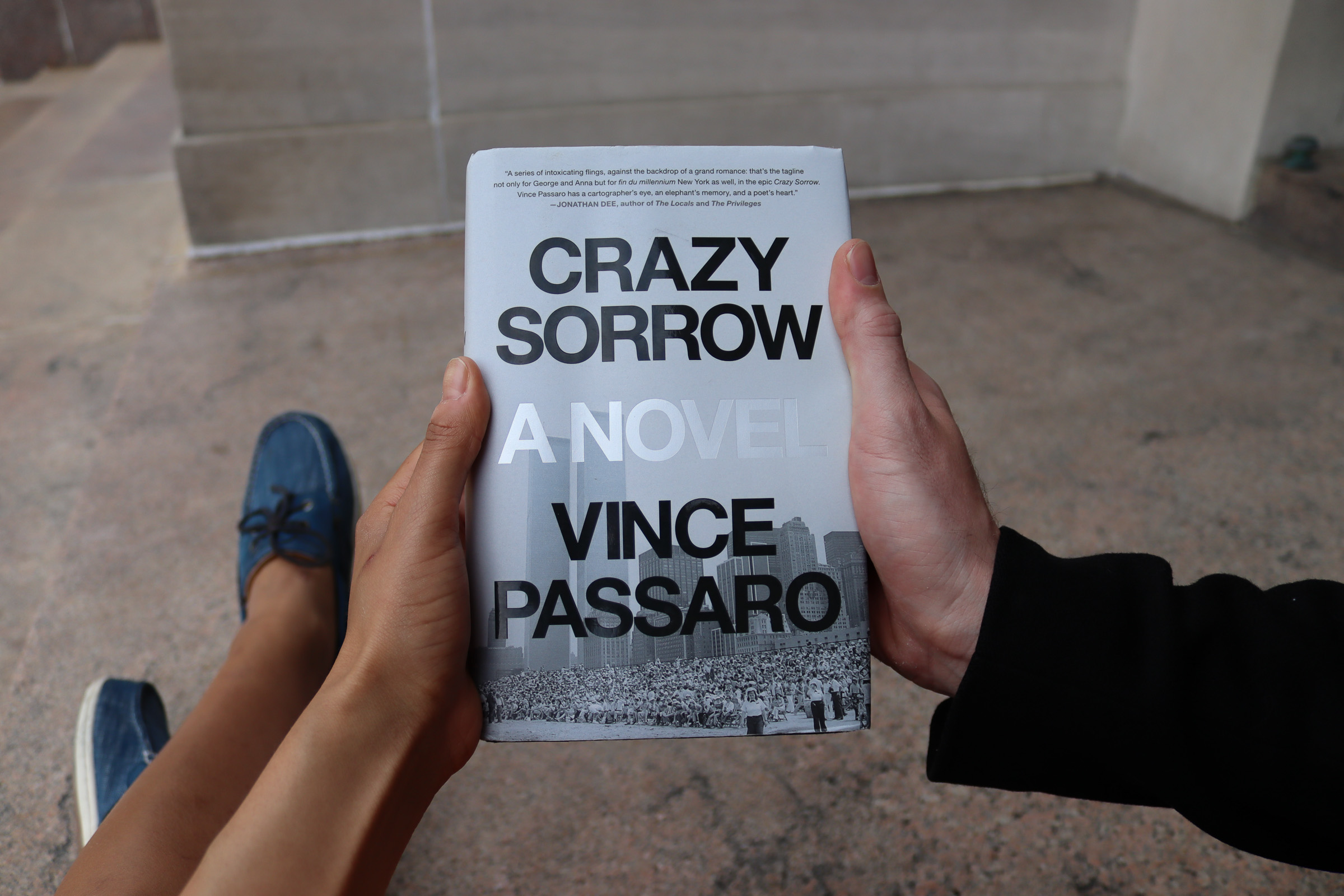
“Crazy Sorrow,” the latest novel of Vince Passaro, CC ’84, SoA ’88, opens with a group of Columbia students getting high on a hill. Two of them work for the Columbia Daily Spectator—evidence of Passaro’s familiarity with student organizations on campus and an early establishment of his credibility with the Columbia reader.

There’s a pervasive question that Columbia students encounter during their first year: Why should I care about the Core Curriculum? Core classes, such as Literature Humanities, have come under criticism in recent years for perpetrating Eurocentric standards of literature and art while ignoring contributions from writers, artists, and musicians from underrepresented backgrounds. Undoubtedly, some Columbia undergraduates view 29 credits worth of classes as a nuisance they must endure in order to graduate.

My first Oscar Night away from home will be the first time I throw the Oscar party all by myself.

Many Columbia students yearn to partake in the quintessentially New York City tradition of the cultural salon. Attending university in one of the greatest cultural capitals of the world, how could students not help but envision themselves, glass of wine and cigarette in hand, discussing the most pressing topics and questions of the day among a friendly gathering of intellectuals, academics and artists? Whether they fancy themselves a future Sontag, Sondheim, or Warhol, the notion of a New York City salon is a romantic, enticing fantasy.