
Laura Jiang
Latest articles
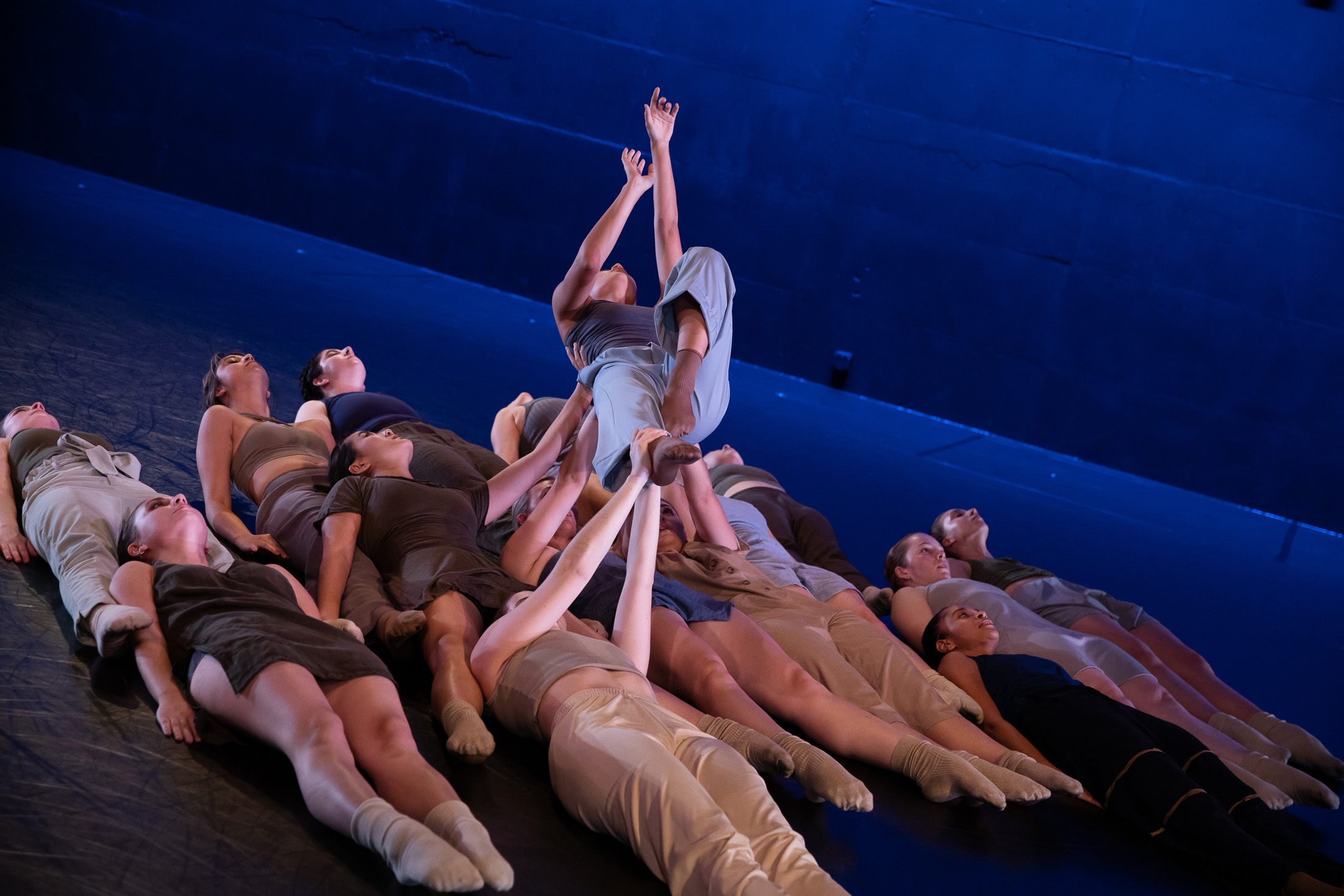
Fifteen dancers extend their arms out slowly in unison, as if about to give someone the biggest of hugs. Their chests, filling with air, carry a spectrum of emotions. Their gazes, lifted upwards, send energy into the audience. Immersed in sound and light, the audience takes what their hearts call for from the dancers’ intentionality, whether that’s desire, excitement, or grief.

A lion lying beside a lamb, a simple classroom with a blackboard and chairs, a fire blowing in the background, and six countries’ flags circling a globe—these are imageries Israeli and Palestinian children painted shortly after the 1967 Six-Day War when prompted to imagine what peace could look like.
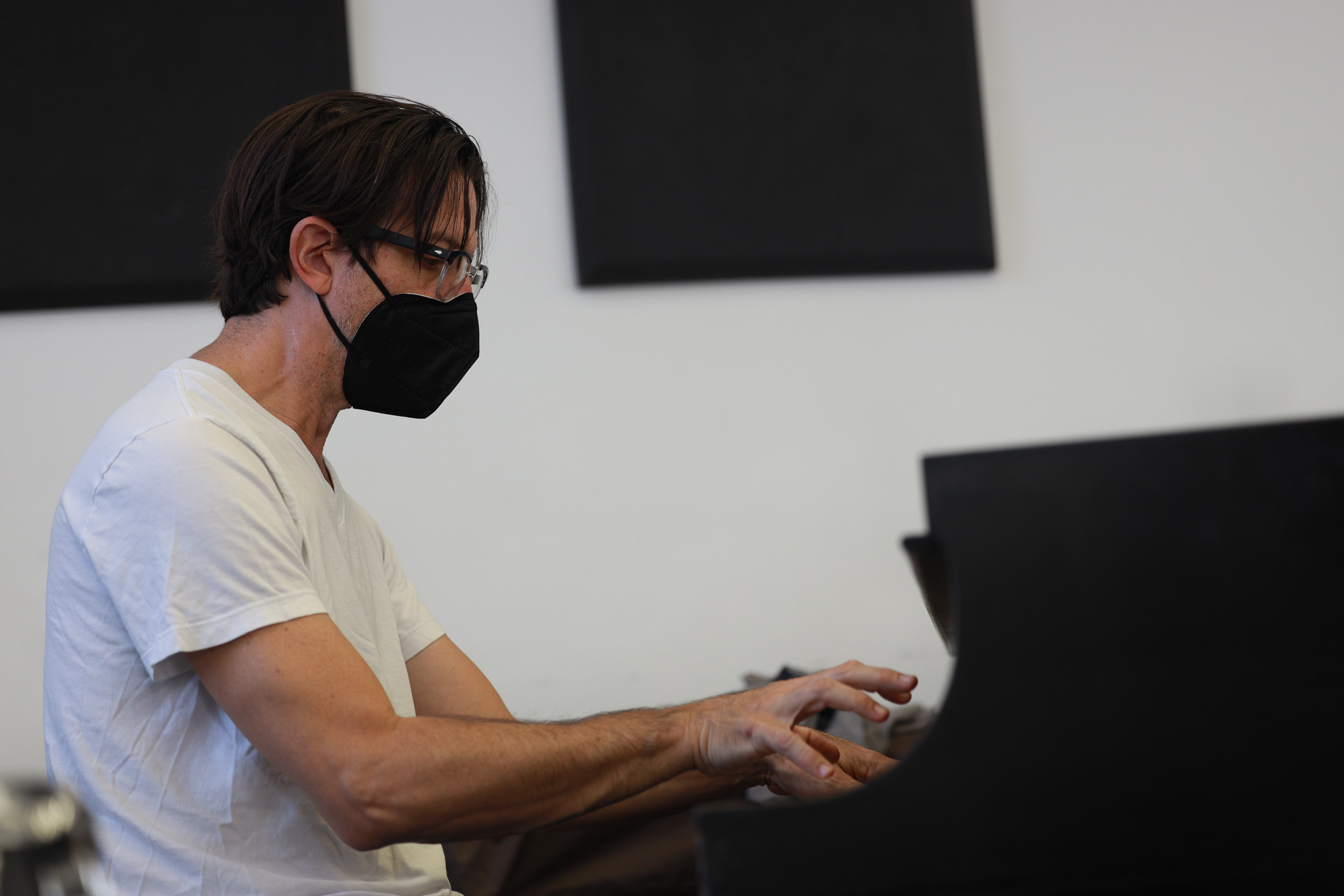
In the dance classroom, a musician unassumingly takes the corner of the studio, leaving the center space for the dance students and the teacher. As the dancers warm up, the musician prepares too: testing keys on a piano, adjusting a cymbal, plugging in an electric guitar, and readying an amplifier. After the teacher demonstrates the first movement combination, the dancers eagerly await the landing of the first note to cue the onset of their movement.

This back-to-school season marks an exciting time for Columbia’s student dance groups. Relaxed COVID-19 protocols regarding indoor gatherings will increase indoor practices and performance opportunities, while new students bring invigorating energy to the dance space.

“I already feel … my muscles atrophying, because I haven’t danced in like a week,” Audrey Pettit said, reflecting on the end of dance classes and rehearsals during her last weeks as a college student.

Maia Castro-Santos, CC ’25, stands opposite Ry Spada, CC ’24, holding up a hula hoop. Castro-Santos hands Spada a tissue through the hula hoop, who then wipes her tears with the tissue—Castro-Santos mirrors her every movement. They separate, Castro-Santos threading the hula hoop through her own body and moving away to give space to Spada. As Hamlet, Spada begins the well-known Shakespeare speech:

“You’re always coming with a brain full of cow dung.”

As music fades in, an array of small spotlights hits the stage and slowly expands to meet each other’s edges, merging into a unifying force of light that reveals the incoming footsteps of dancers. They step out of the wings to embody this synergetic force of light that is the outcome of an intimate and trust-building rehearsal process unique to the MaMa Project.

Mistakes—like missing a count or having the wrong arm out—are painfully visible in the “corps de ballet,” the large body of ensemble dancers in a classical ballet piece that moves in unison. To maintain uniformity across an ensemble, dancers are cast based on physical similarity, often perpetuating the image of a ballerina as a white, lean, dancer in a tutu and slick bun.

“Soro soke,” a Yoruba phrase meaning “speak up,” has come to define a new generation of youth in Nigeria collectively standing up for protestors who were silenced and violently harmed by the Nigerian army under state orders on Oct. 20, 2020. “Soro soke” was also the theme of the dance that won Ijoya the first place title at the 12th Annual Danceversity Competition hosted at Rutgers University, the biggest African dance competition in the tri-state area.