

Lexa Armstrong
lexa.armstrong@columbiaspectator.com
Latest articles
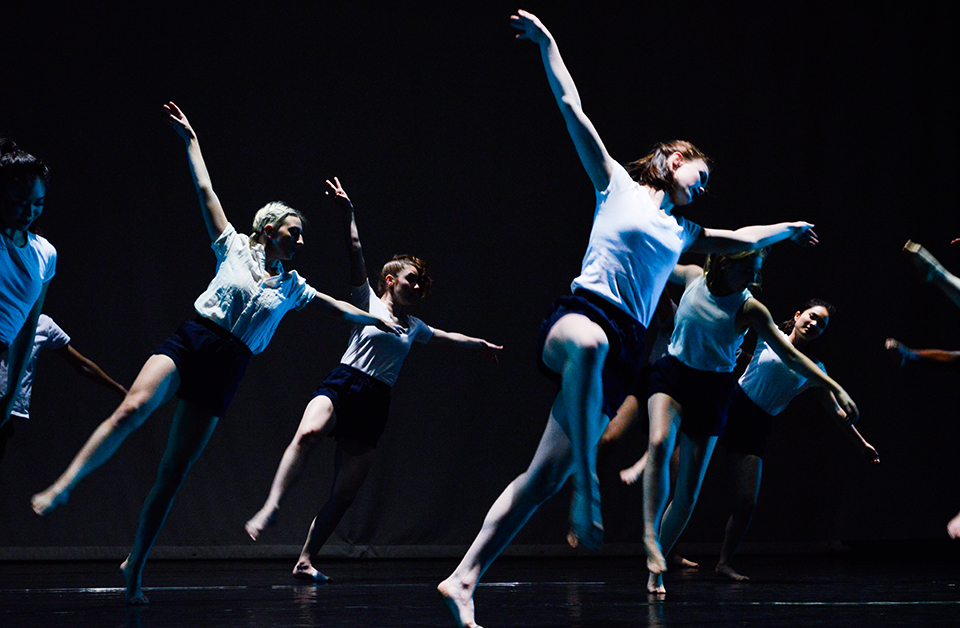
Over 120 dancers took to the stage in Roone Arledge Auditorium on Thursday and Friday for Orchesis: A Dance Group’s presentation of “Work work work work wORCHESIS.”
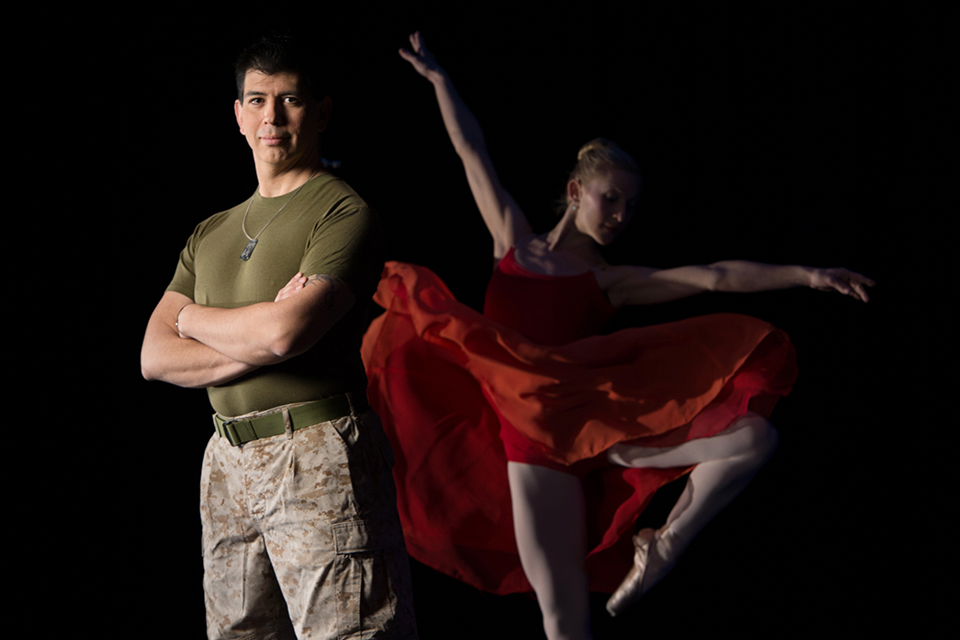
When Roman Baca left a professional ballet career to join the Marines, he found that career-related jargon remained similar. The meanings, however, changed dramatically. A performance “theater” became one of war. A “rehearsal” traced formations influenced by a bellicose target, not artistic impulses. “Staging areas” went from holding costumes and props to stacks of weapons, gear, and vehicles used for missions.
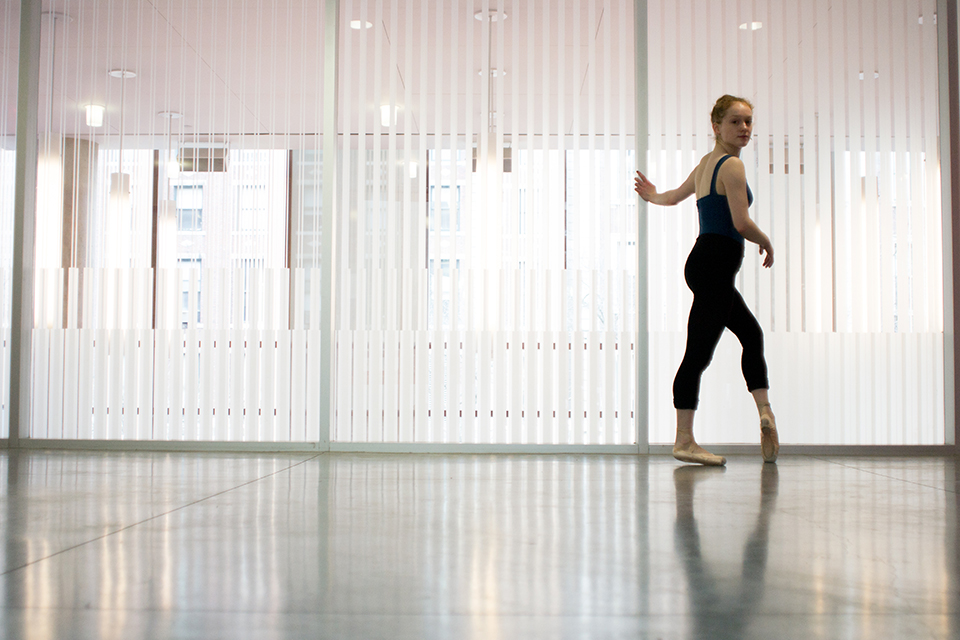
“As an artist, you’re trying to convey something. How can you convey something if you don’t have anything to say, and you spend your life in a dance studio?” GS student Ali Block said. Stifled by the confinement of the ballet world while dancing full-time in various companies for five years, Block applied to Columbia after she decided to move to Manhattan. She planned to pursue a career as a freelance dancer, seeking short-term contracts from multiple companies.
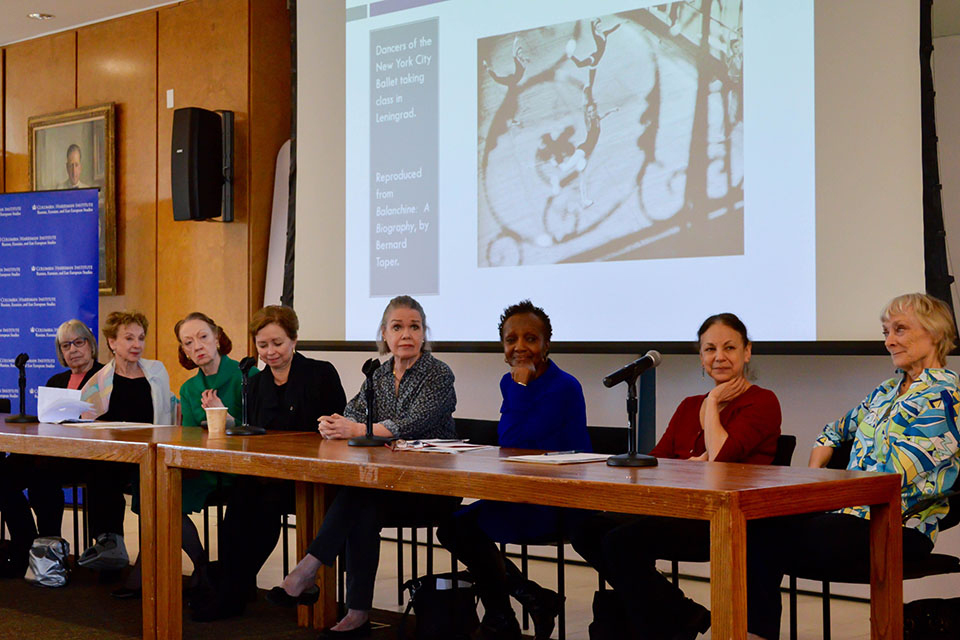
During the Cold War, dance allowed warring political camps to find common ground onstage—something scholars and former dancers testified to during the Harriman Institute and Barnard dance department’s “Dancing the Cold War: An International Symposium” this past weekend.
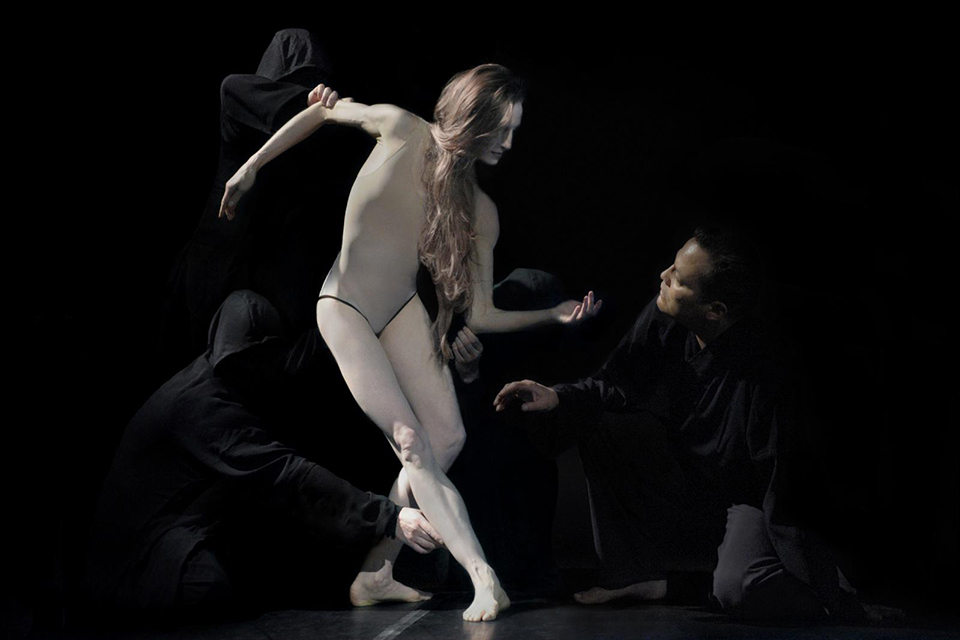
Renowned ballerina Wendy Whelan was an early bloomer. She joined New York City Ballet as an apprentice at age 17, but it wasn’t until her late 40s, when faced with a severe injury and a decaying ballet body, that she said she truly “grew up.”