
Lilienne Shore Kilgore-Brown
Latest articles

Dionis Ortiz sat in front of a painting of a city sidewalk, featuring graffiti, cracks, broken glass, paint splatters, and caution tape, zooming in from his solo art exhibition Concrete Realities. Ortiz, a “born and raised” West Harlem artist, talked about the difficulties of finding studio and exhibition space in Harlem. Such spaces can be incredibly expensive, he said, presenting a major barrier to self-propelling, independent artists.

As the summer of 2022 waned, reporter Lilienne Shore Kilgore-Brown invited fellow Columbia students to call her on Spectator’s new late-night call line, Sleepless Somewhere. Their conversations drifted from discussions of magic grandmothers to the ethereal blue color of glaciers and reminded us of the quiet beauty and intimacy that our slowed down, sleepy moments can hold.
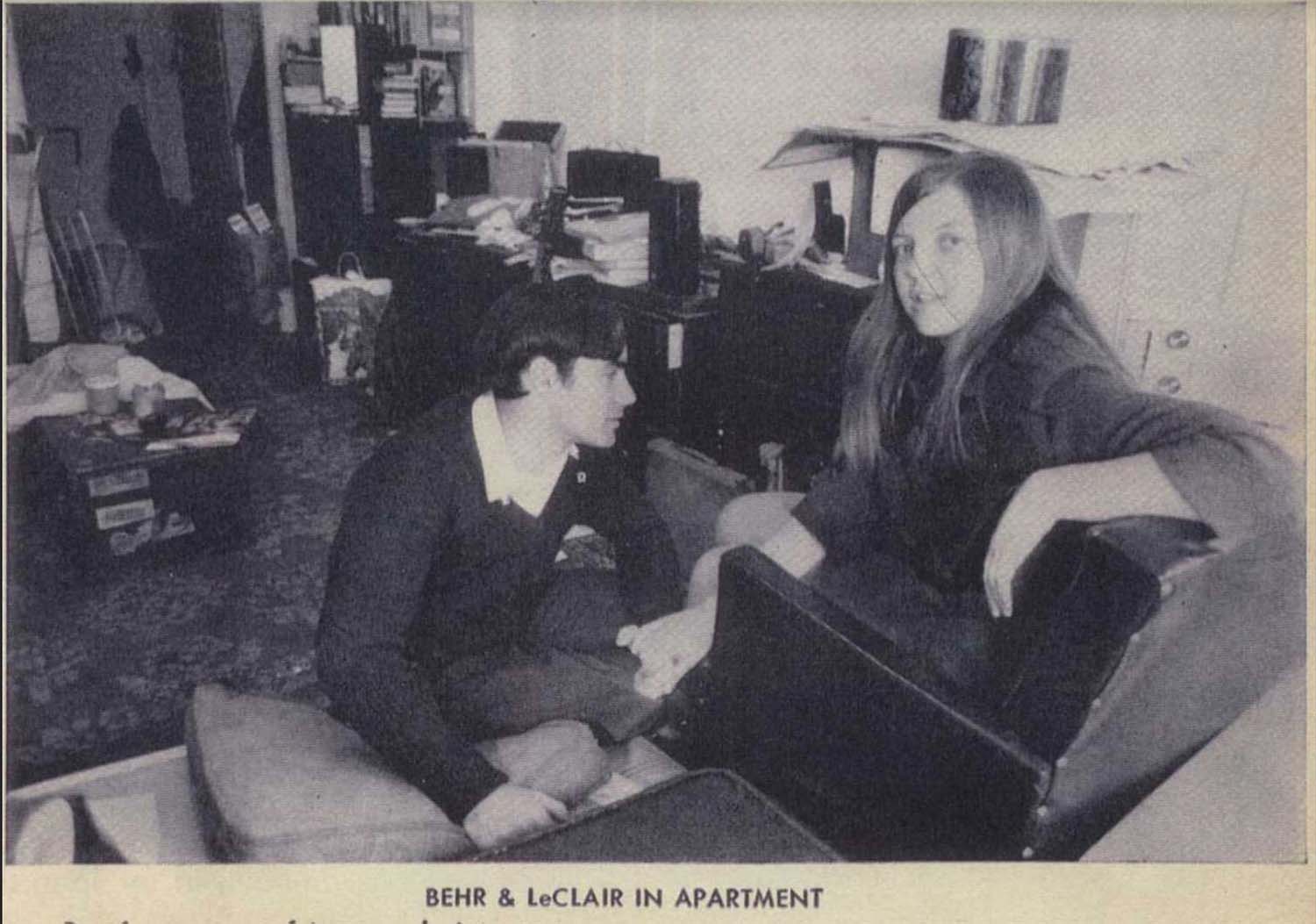
In 1965 at a holiday mixer, when Barnard first-year Linda LeClair met Columbia College first-year Peter Behr, they were both living in their respective college’s dorms: LeClair in Reid Hall and Behr in Hartley. Soon after meeting, the pair bonded over their shared commitment to leftist politics and campus activism and began dating. By the next year, the couple was ready to move in together—and after LeClair returned from a medical leave of absence, they did just that.
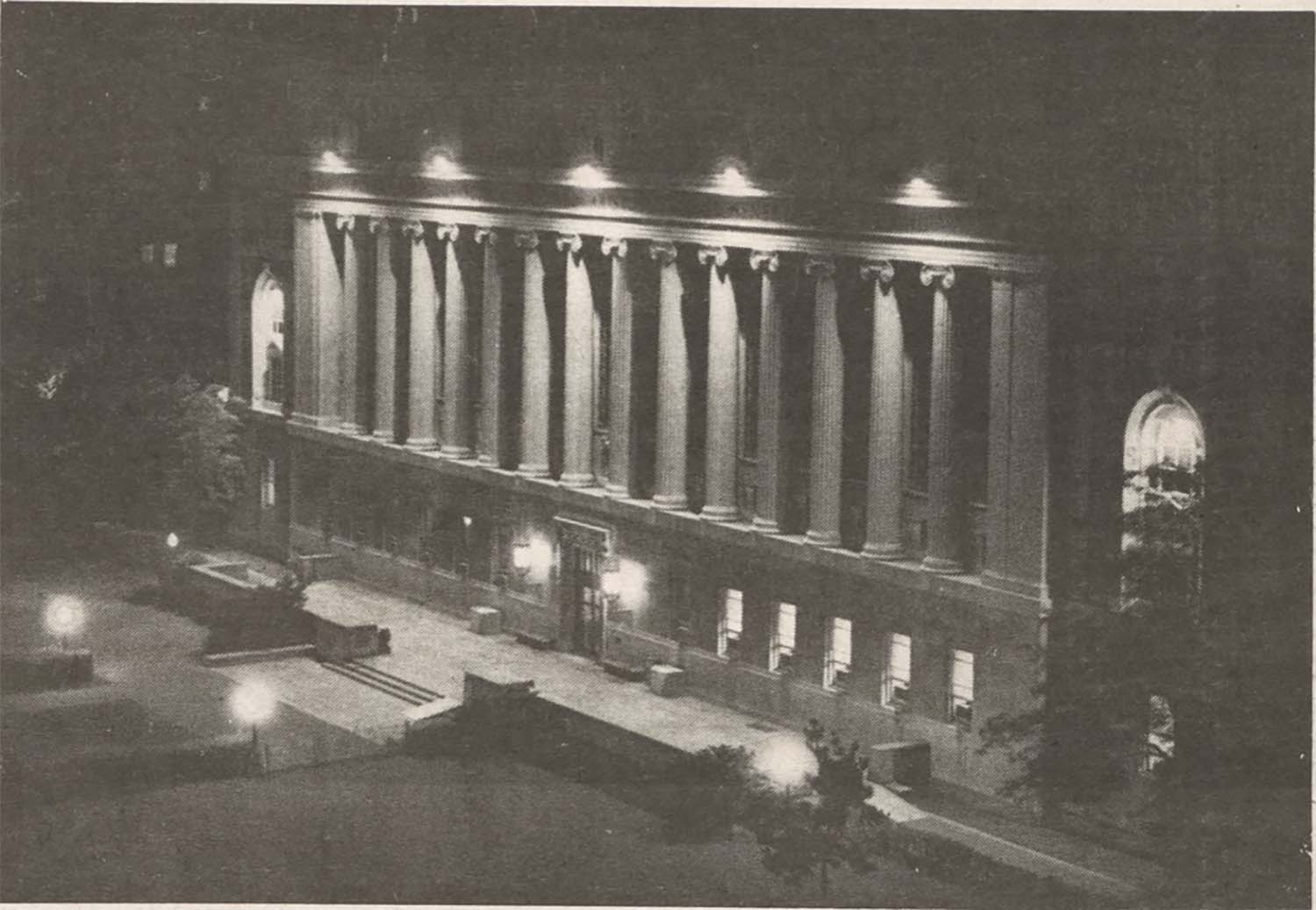
In perhaps the most infamous affront to the array of prestigious—and pretentious—names carved into the walls of Butler Library, Laura Hotchkiss Brown and four of her friends snuck onto the roof of Butler and unfurled a 140-foot-long banner on Commencement night in 1989.

Human stories are the very core of what we do here at The Eye. They drive us. Our goal as a family of writers and eclectic humans is to wade past the pleasantries of “What’s your major?” and “Where are you from?” in search of the hidden idiosyncrasies that are the stuff of late-night, meaning-of-life conversations between close friends.

When Linda J. Mann arrived at Columbia’s Institute for the Study of Human Rights as a fellow for the Alliance for Historical Dialogue and Accountability, she quickly noticed something.
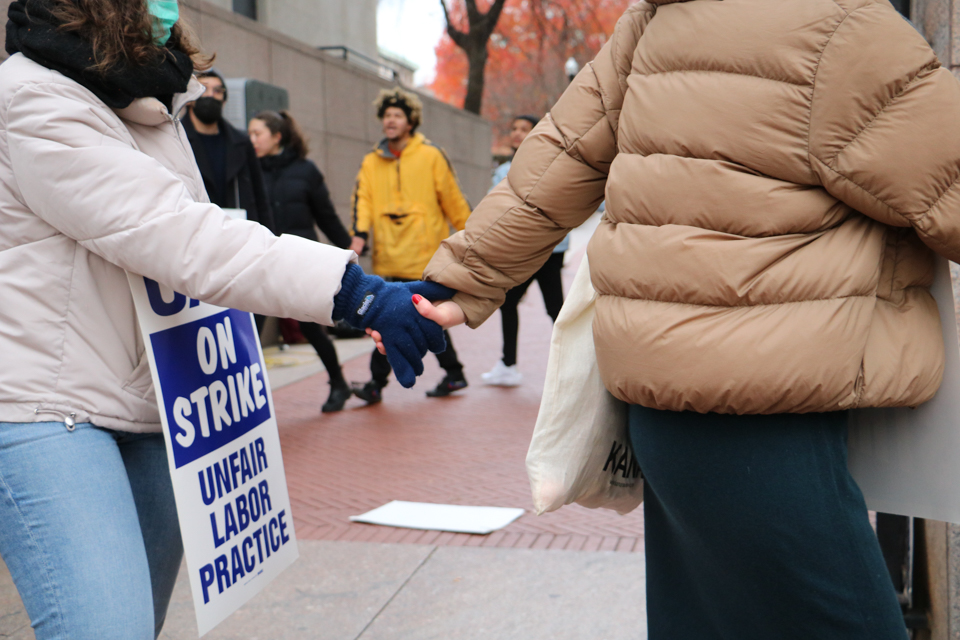
The picket line has brought its strikers friendship, unity, and proximity to that sought-after contract. For Tamara Hache and Niccolò Bigagli, it has also brought them love.