

Rachel Shaw
Latest articles
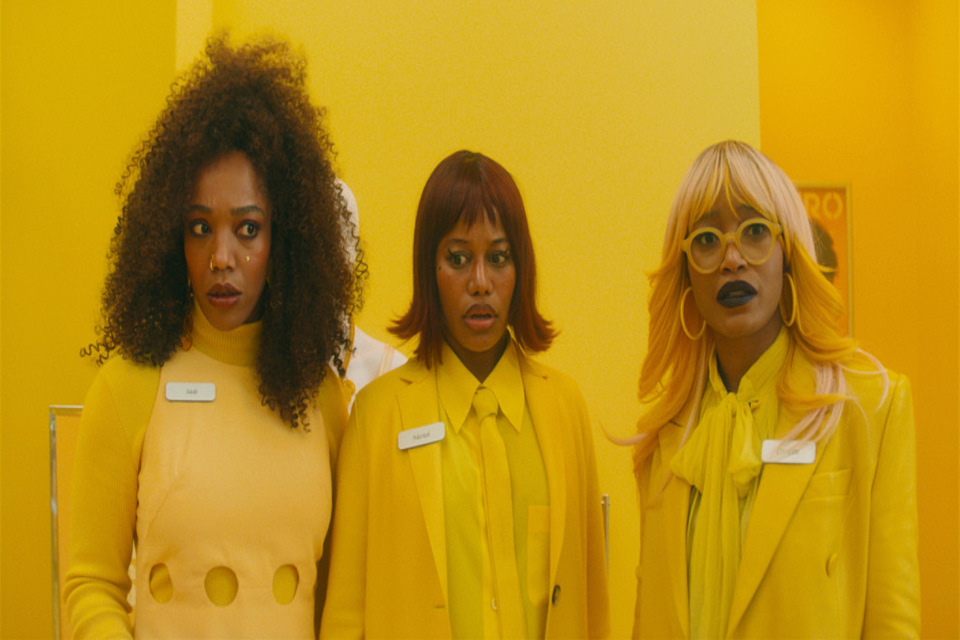
Boots Riley has never been afraid to get weird. Best known for his dystopian debut feature film “Sorry to Bother You,” the quirky, avant-garde director and musician has always had a knack for the strange and unusual, especially as a means of exploring complex social dilemmas and systems. But while “Sorry to Bother You” tries its best to save the insanity for the final act, Riley’s latest film, “I Love Boosters,” prides itself on being batshit crazy from start to finish, and it works—for the most part.

Decked out in glittering gowns, suave tuxes, and opulence all around, Columbia’s Black community gathered together to celebrate Kwanzaa with a night of food, song, dance, and Black joy.

Family, friends, and fellow dancers alike traveled downtown to watch Barnard/Columbia Dance at New York Live Arts from Nov. 20 to Nov. 22. The 90-minute show featured four pieces that spanned a variety of styles: from the warm, fluid choreography of Ronald K. Brown to the strange, enrapturing tales of Pina Bausch.
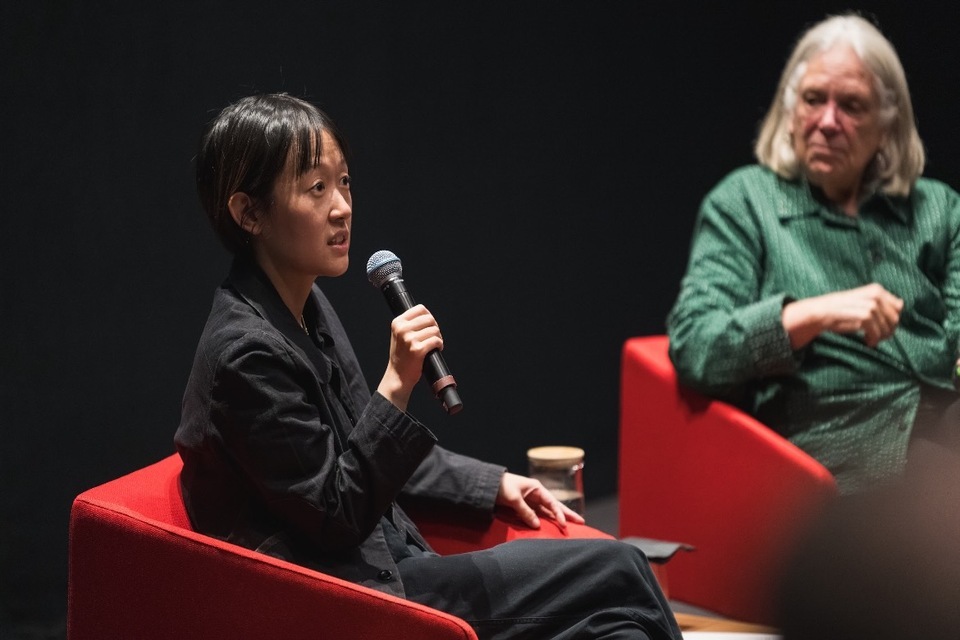
The career path of Celine Song, SoA ’14, hasn’t been linear. Song is known primarily for her work writing and directing the beloved Oscar-nominated film “Past Lives”; but before Song got her start in filmmaking, she spent over 10 years in the theater business and, before that, she was a Columbia student with stories to tell.
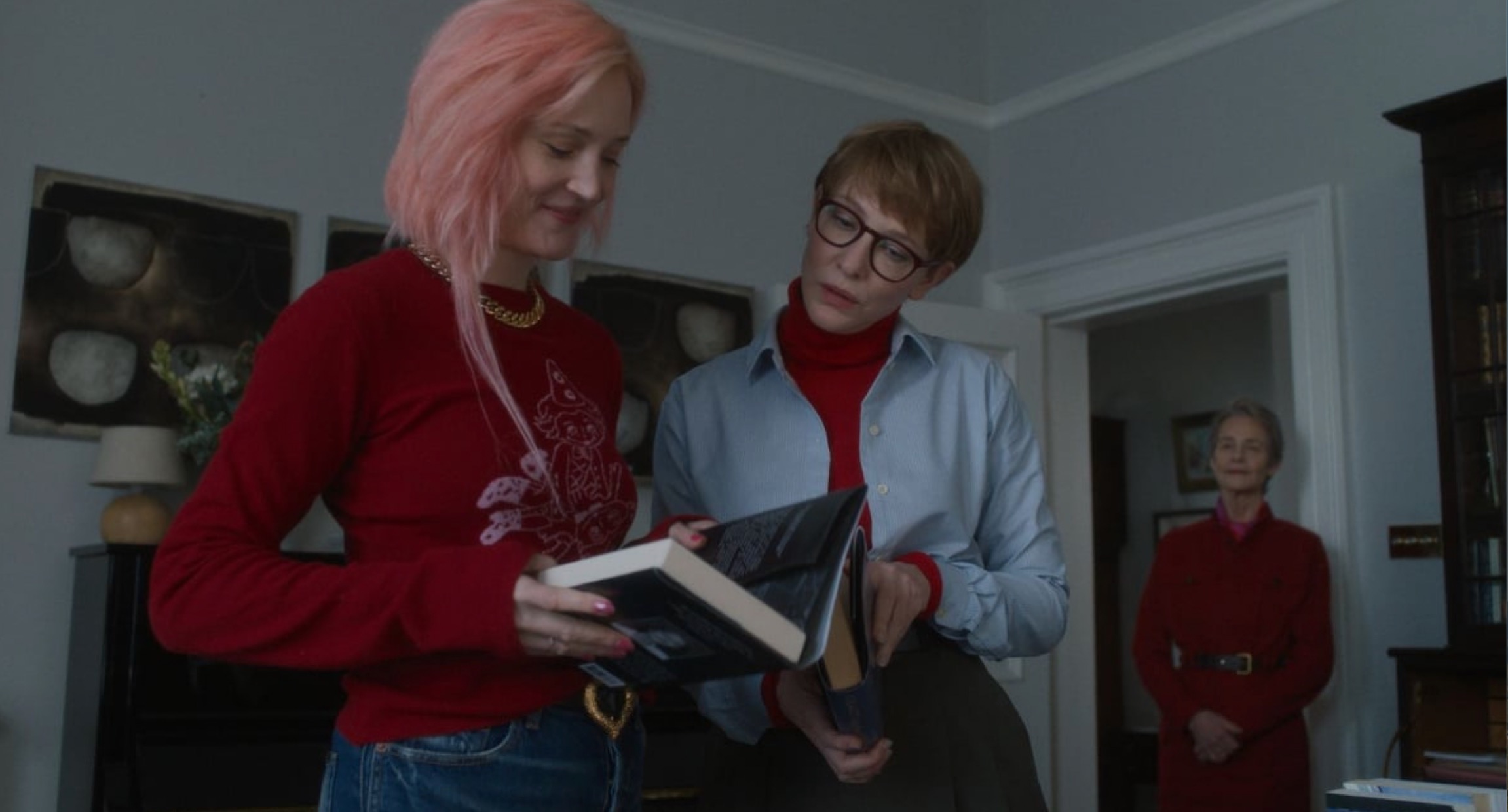
While “boring” is a criticism often levied against films that refuse to adhere to the highly western structure of exposition, rising action, climax, falling action, and resolution, it is often unfounded. Just because a film is quiet, slow-paced, and meditative does not make it boring. Unfortunately, “Father Mother Sister Brother,” which screened at this year’s New York Film Festival, cannot be defended with this line of reasoning. It is actually very, very boring.
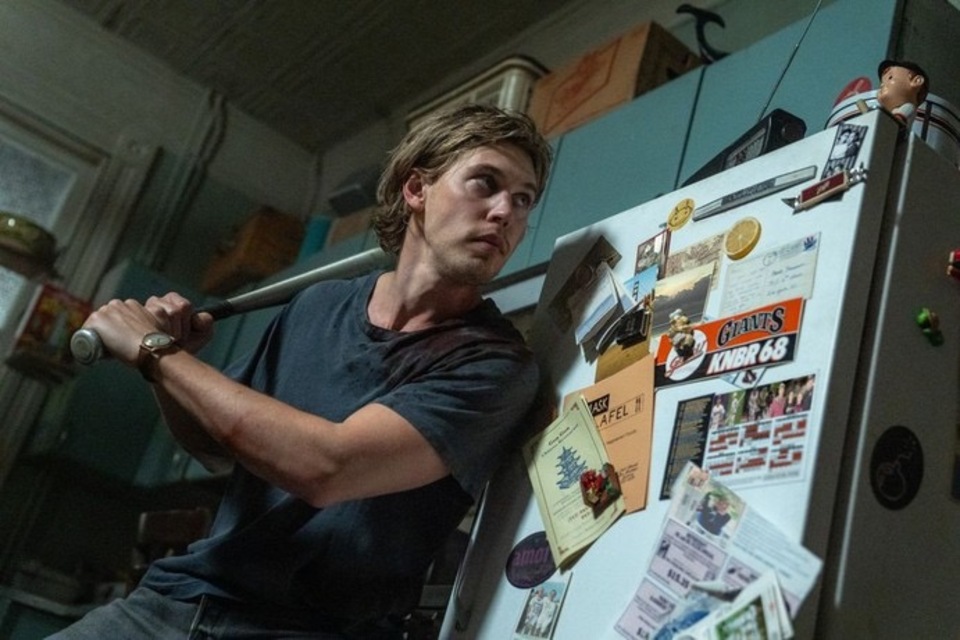
Have you ever wanted to see Austin Butler rupture a kidney? Well, you’re in luck. Frankly, that’s the nicest thing that happens to him over the course of “Caught Stealing,” in which Butler’s character experiences successive tragedies with barely any room to breathe in between. Beware: This review will have spoilers.

Rustling program pamphlets and excited chatter came to a halt as the lights dimmed in Miller Theatre. A droning, pulse-like beat emerged from the darkness, engulfing the stage. Finally, light reentered the space in the form of a haunting orange glow from the floor—and as the pulsing beat formed into an intense, futuristic rhythm, the first dancer took to the stage.
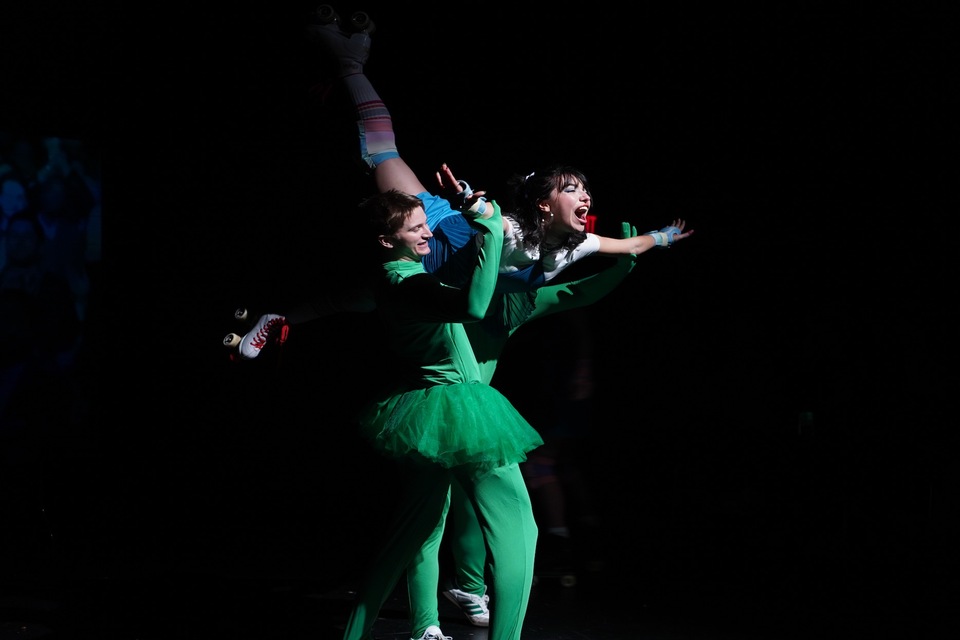
Latenite, Columbia’s experimental sketch comedy group, capped off five decades worth of anthologies in the Austin E. Quigley Black Box Theatre on April 25 and 26. The anthology included seven separate skits overflowing with absurdist comedy. Each sketch was written, acted, and directed by students. Ultimately, the anthology’s many segments left audience members in stitches and, better yet, with their jaws on the floor, unable to be picked up.
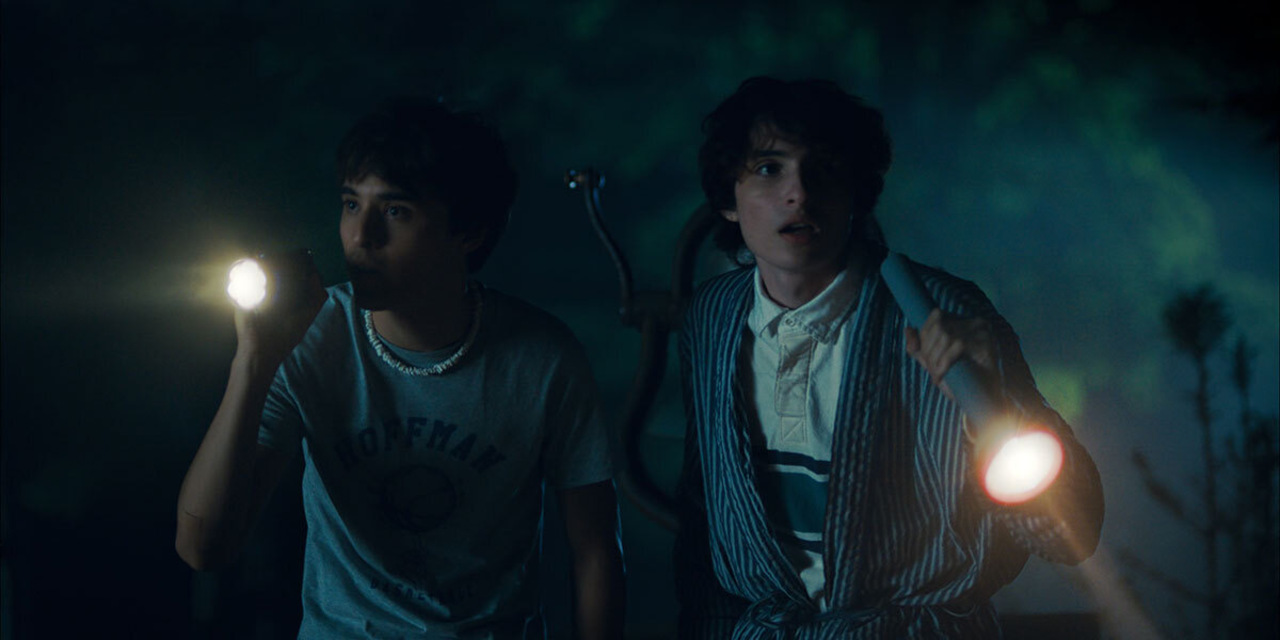
Making a movie isn’t easy—one could even say it’s a hell of a job. Finn Wolfhard and Billy Bryk are no strangers to this, putting ample time, labor, and emotion inherent to filmmaking into their directorial debut, “Hell of a Summer.” Now, the film is finally ready to hit theaters, and Wolfhard and Bryk, in their “Hell of a Summer” tour bus, are making it a point to spread the film like wildfire—or maybe hellfire.
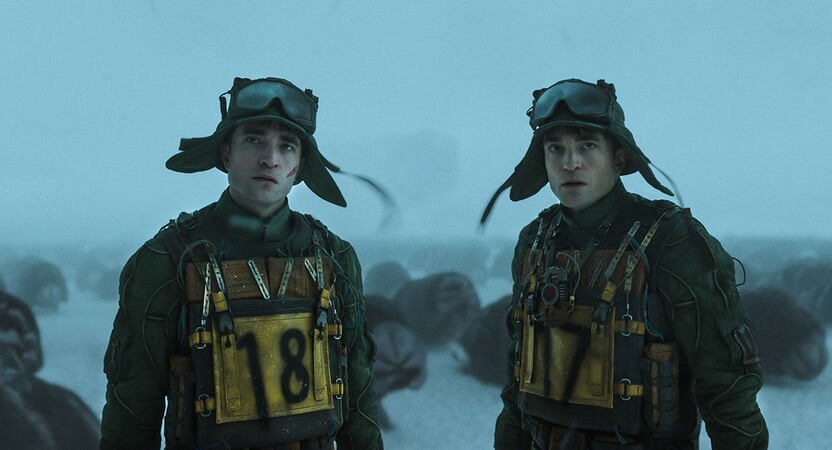
Imagine that the year is 2054, and you want to open a macaroon shop, so you borrow money from a loan shark. Unable to make good on your payment, you must flee Earth for fear the mobster will behead you with a chainsaw. This is the inciting incident for Bong Joon Ho’s newest film, “Mickey 17,” and somehow, it’s the most grounded plotpoint in the narrative, which—to say the least—is overstuffed.