

Rachel Shaw
Latest articles

As best said by activist and fashion model Bethann Hardison, “In fashion, racism was live.” Hardison made a career of standing tall on runways where she was the only Black model and walking with a momentum that confronted dominant Eurocentric and racist standards of beauty in the fashion industry. She challenged the status quo of a multi-billion dollar industry and encouraged others to follow in her steps. Now, at 80 years old, Hardison has condensed her legacy into a vibrant piece of cinema.

There is much to discuss after a “Barbenheimer” double feature. From world-shattering atomics to the horrifying gender politics of being serenaded “at,” perhaps these two films are what we needed to finally force us to return to the theater.

On the silver screen, sex is an optical illusion. However, the dreaded “nudity required” condition stamped front and center on many of the call sheets women actors will receive is a cold reality. The male gaze is prevalent in the entertainment industry, and it begins with the exploitation of women actors and their bodies. Especially in the hands of male directors, the feminine body is a spectacle most valued for visual pleasure, succumbing to the demands of male viewers.
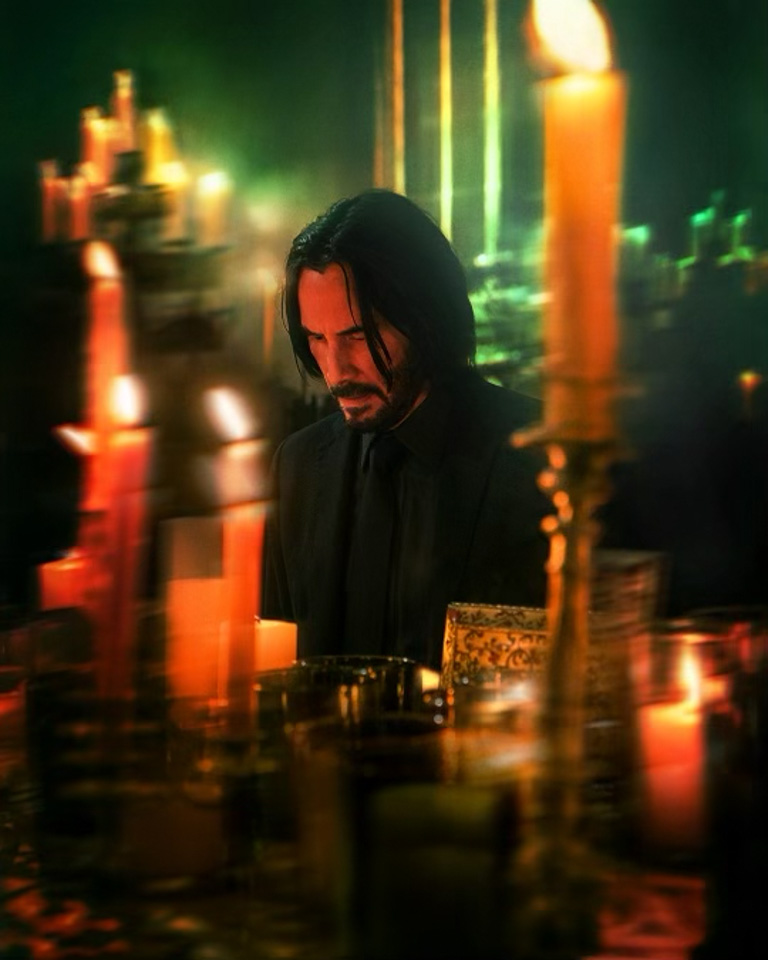
The modern action film is riddled with high stakes. Lives are at risk, the decision between the red and blue pills is paramount, and disaster lurks if the incorrect wire is cut. However, for the “John Wick” franchise, the catalyst of all of the bloodshed and rage is a dog.

On Columbia University’s campus, Malcolm X, portrayed by Denzel Washington, walks toward Hamilton Hall with his associates. A young white student approaches him. “Excuse me, Mr. X,” she says. “I’m a good person in spite of what my ancestors did. I wanted to ask you: What can a white person like myself, who isn’t prejudiced, what can I do to help you and further your cause?” Without hesitating, X replies, “Nothing.”

In the final act of Damien Chazelle’s newest film “Babylon,” featuring Columbia alumnus Max Minghella, CC ’09, the camera settles for nearly one minute on the face of a young Black trumpet player, beads of sweat dampening his forehead and sketching lines through thick black stage makeup.