

Sofia Partida
Latest articles

During the infamous 1968 student protests, 1,000 protestors flooded Columbia’s campus, occupied five buildings, and were part of one of the largest mass arrests in New York City history. Over 50 years later, however, modern student activism rarely seems to rally the same momentum it drew in past generations.

After the police killing of George Floyd sparked greater scrutiny of anti-Blackness in organizations across college campuses, a wave of students has disaffiliated from Panhellenic sororities at Columbia—at Sigma Delta Tau and Alpha Omicron Pi alone, 60 members in total have disaffiliated.

Local community members voiced their support of Columbia’s Mobilized African Diaspora demands calling for University action against anti-Blackness at a board meeting Thursday.

As many have taken to the streets in months of protests in response to the deaths of Black people at the hands of police, Columbia professors and students participated in an informal strike across higher education to draw attention to racial violence and police brutality.

Following the decision from most Columbia faculty to hold classes online, the University encouraged instructors in an email last Monday to offer more in-person classes. The request has drawn ire from professors and instructors, who pointed to the letter as insensitive to the health risks that in-person teaching poses to themselves, students, and community members.

In the wake of over 120,000 deaths due to COVID-19 nationwide and a massive economic downturn, universities are left with the task of reimagining higher education in the age of the pandemic. One of the many questions among students is “What will happen to the cost of tuition?”

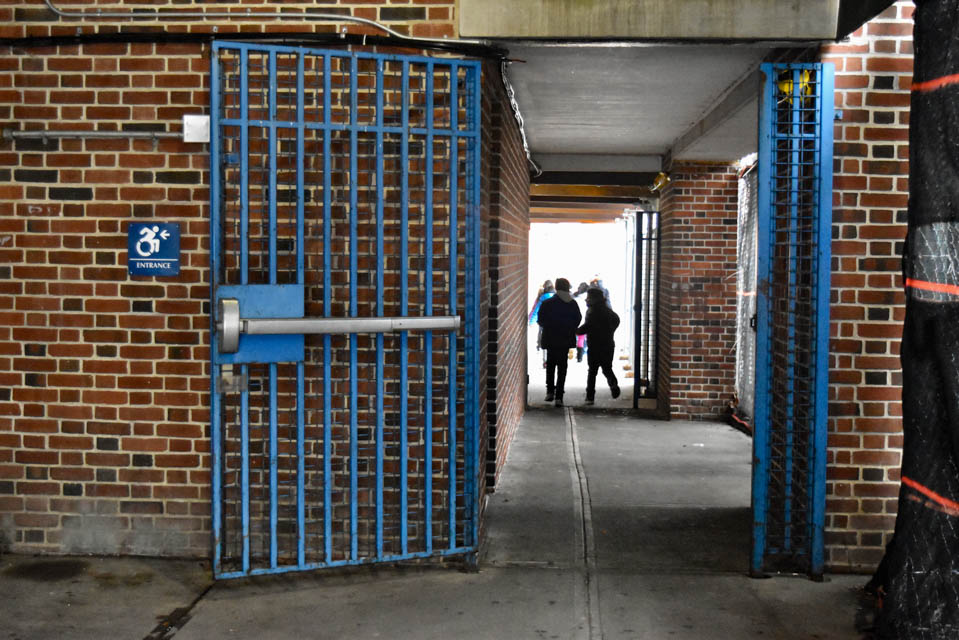
As the coronavirus outbreak has plunged New York City into a recession, Mayor Bill de Blasio has proposed a 3 percent decrease in the city’s education budget for the 2020-2021 school year. With some of the most segregated districts in the city, West Harlem’s public schools are chronically underfunded and disproportionately vulnerable to budget cuts.

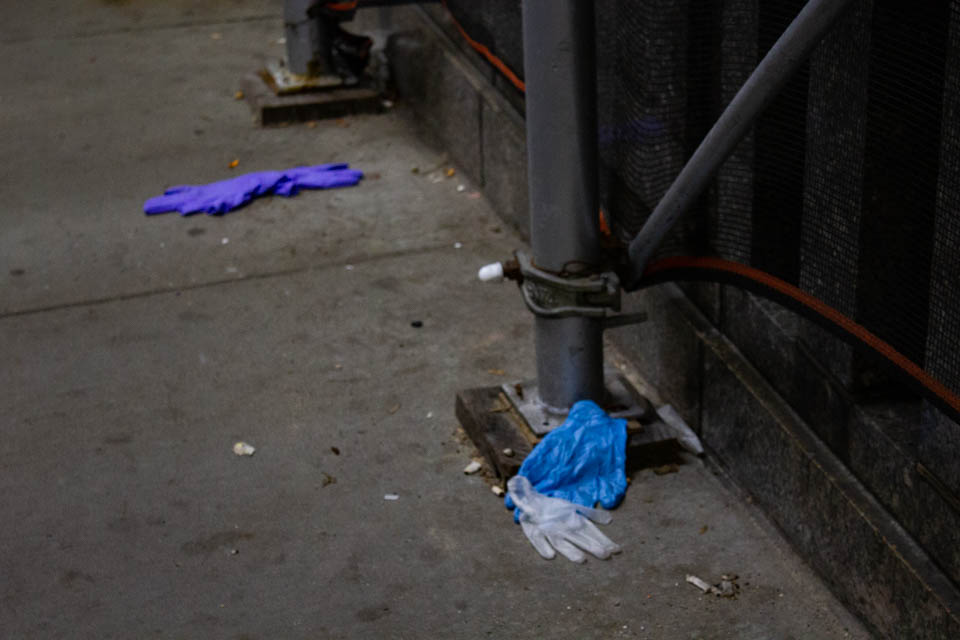
For decades, many “low-skilled” workers—including grocery and drugstore clerks, delivery drivers, and in-home care providers—saw their wages suppressed, positions cut to part-time or contracted work, and paid sick leave and health care benefits chipped away. Now, tens of millions of these workers have suddenly been recognized as “essential” and moved to the front lines of a global pandemic.