

Stuart Beal
Latest articles
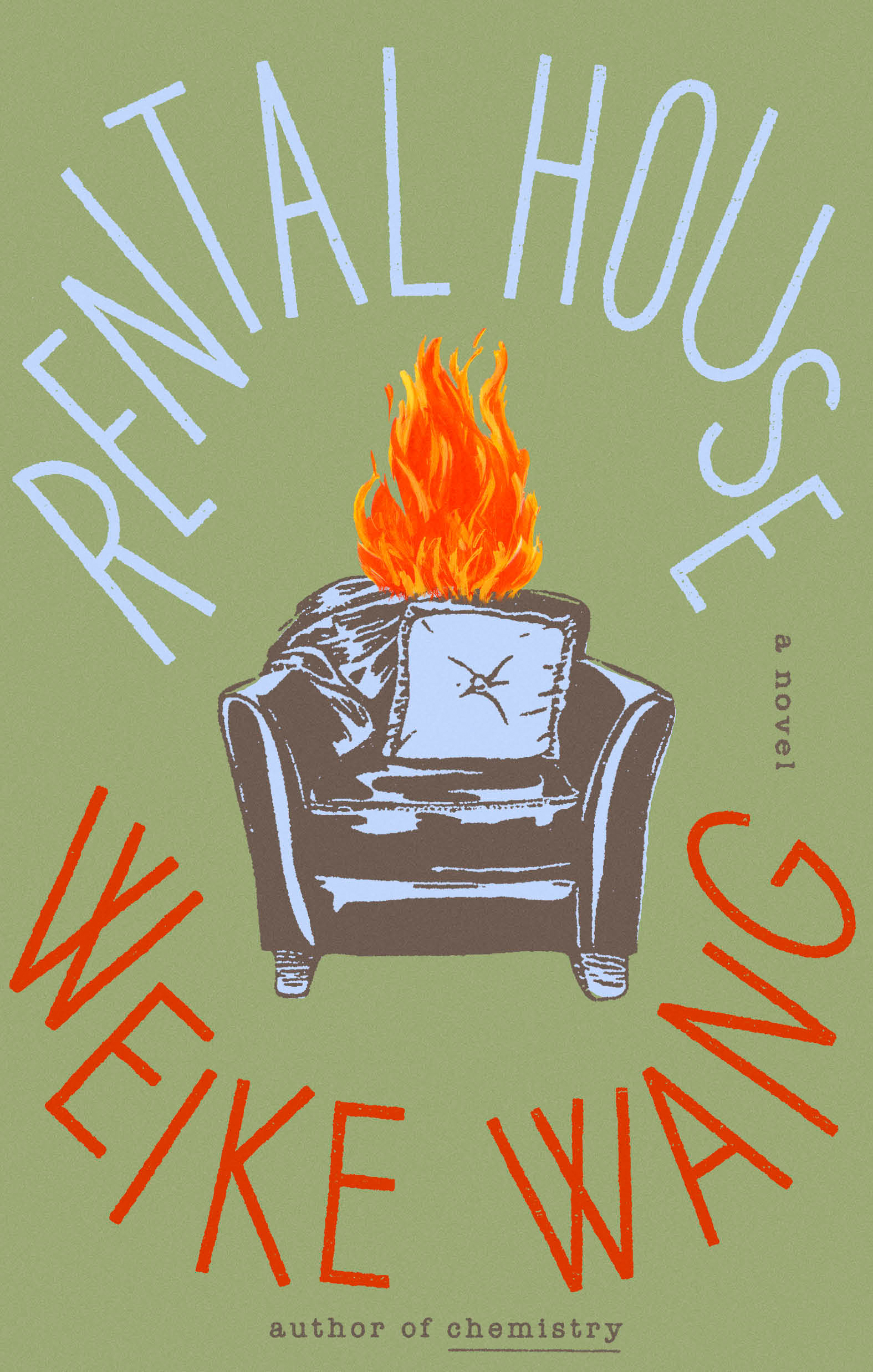
“Rental House” by Weike Wang, an adjunct assistant English professor at Barnard, is a short, orderly novel set in post-pandemic New York City. At its center: a married couple, Keru and Nate, who read as if they were written to directly contradict.

In “The Everyday Life of Design,” Alan Gilbert, an adjunct associate professor in Columbia’s Master of Fine Arts writing program, suggests poetry is arson: “But I’m not an arborist, / just an ardorist and maybe an arsonist / if that’s what you call poetry.” He writes that “poetry is a bird acting wounded / in order to draw predators away from its young.” There’s truth in both: poetry as flame, as the act of setting aflame, as spectacular violence; poetry as performance, as defense, as sacrifice for the weak. But where do these constructs of poetry leave the poet? Is the poet the arsonist or the burning building? Is the poet the bird, the young, or the predator?

Applause broke out at the Lenfest Center for the Arts on Thursday when award-winning poet, playwright, and essayist Claudia Rankine, SoA ’93, spoke out against the censorship she sees taking place at educational institutions.

Too rare are the narrators who quiver. Most relay, many tell; some, members of a more literary group, inspire readerly faith by developing a characteristic loudness, their own strain of sound—these narrators flaunt, provoke. But it’s an altogether different satisfaction to read a narrator made distinct by subtler motions: an unsurfaced tension creating only the tiniest of waves, an ever-shifting opacity that hovers around the transparent pole but somehow still manages to blacken the page. Or, from the perspective of the unnamed narrator in “The Hearing Test”: “A wet star dragged across a black sheet? A mistake—touched before dried?”

Langston Hughes sits at his typewriter with a cigarette hanging out of his mouth, one eyebrow raised, and a suspicious glance that reveals a familiarity with the person behind the camera.

In his new book “Big Fiction: How Conglomeration Changed the Publishing Industry and American Literature,” Dan Sinykin, assistant professor of English at Emory University, analyzes the American publishing industry’s shift from small, independent publishing houses in the 1950s to the “Big Five” publishers that control 80 percent of the industry today.

In Stanley Kubrick’s 1980 adaptation of “The Shining,” he exchanges the weapon Stephen King gave the killer in his novel–a roque mallet–for an ax. In Columbia professor Dorothea Lasky’s newest poetry collection, also titled “The Shining,” she places the weapon in different hands–those of the heroine of the story: “I buy a floral dress and grumble / I am holding an ax / No one can hear me.”

The opening sequence of Luke Gardiner’s, CC ‘25, new film includes darkness, flashes of light, a bar, a man walking in with a half-smile, and the same man waking up in his bed, breathing hard. The viewer does not know which of these scenes came first, only that something important happened to the man in the bar, and, either before or after that event, he woke up in a cold sweat.
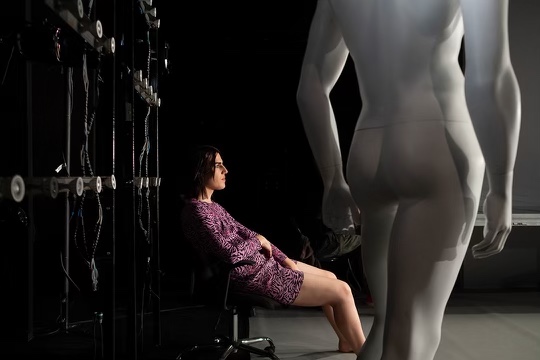
“My Emptiness and I,” which premiered in 2022 at the International Film Festival Rotterdam and was shown at the Athena Film Festival on March 3, follows Raphaëlle as she struggles with her gender identity. The movie is a coming-of-age story centered around the obstacles a transgender woman faces as she learns to accept herself.
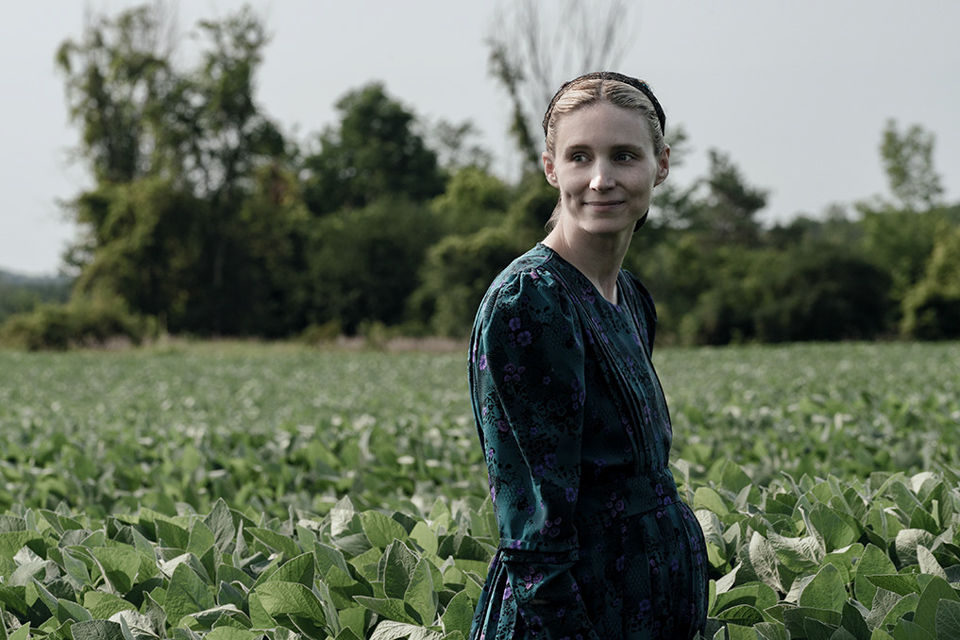
Editor’s note: This review deals with topics of sexual assault.