

Talia Traskos-Hart
Latest articles
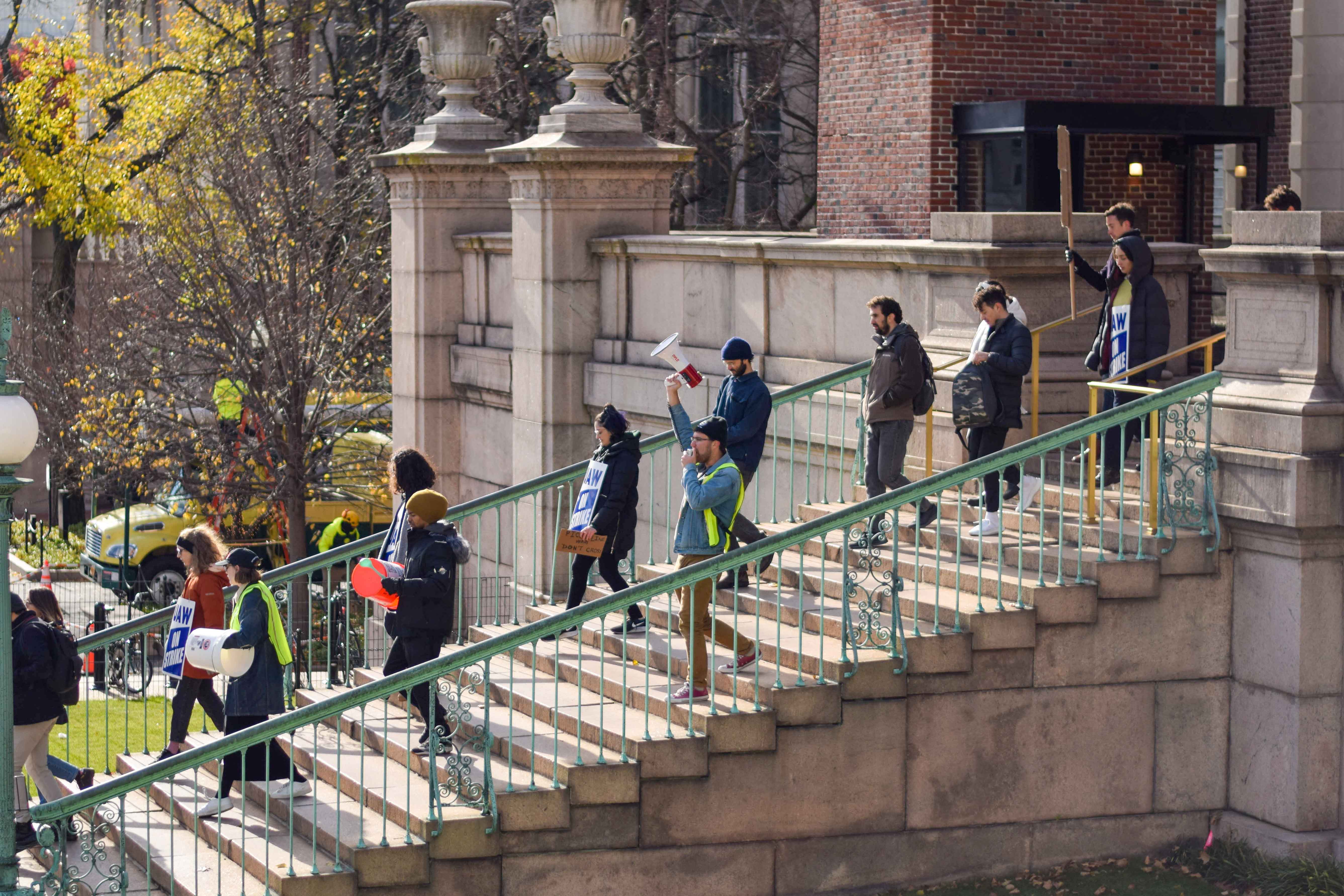
After three sessions with third-party mediator Kevin Flanigan, the Student Workers of Columbia-United Auto Workers and Columbia continue pushing toward an agreement. They hope to make meaningful progress on issues that are not yet resolved, starting with arbitration for discrimination and harassment cases, and dental care coverage.
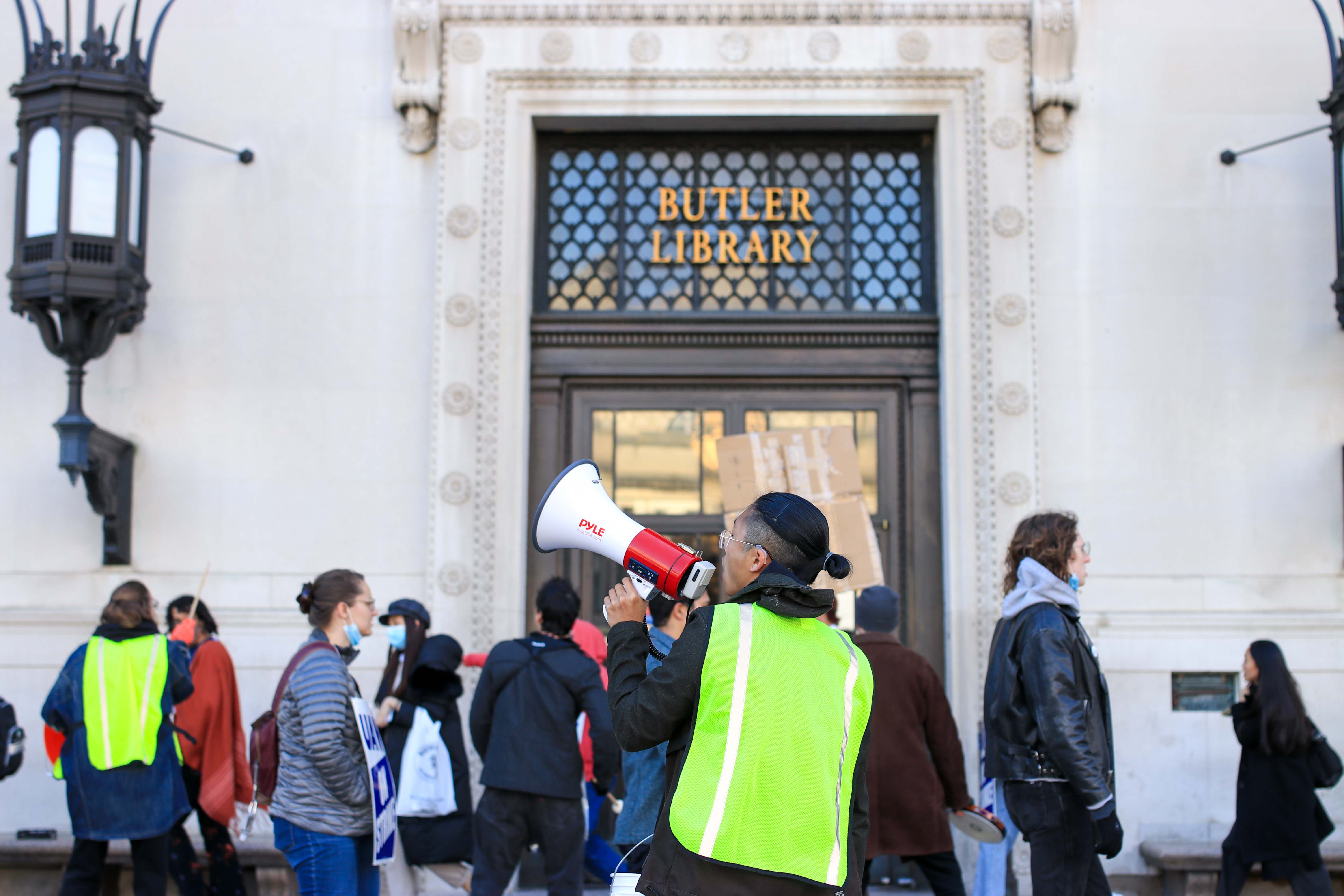
Over the past three weeks of the Student Workers of Columbia-United Auto Workers strike, faculty members have mobilized to support the demands of striking student workers.

Two weeks after the University proposed moving negotiations with the union into mediation, the Student Workers of Columbia-United Auto Workers accepted the offer. The SWC-UAW and the University anticipate that moving negotiations on their first labor contract in front of a neutral third party will help bridge the remaining disagreements between the parties.
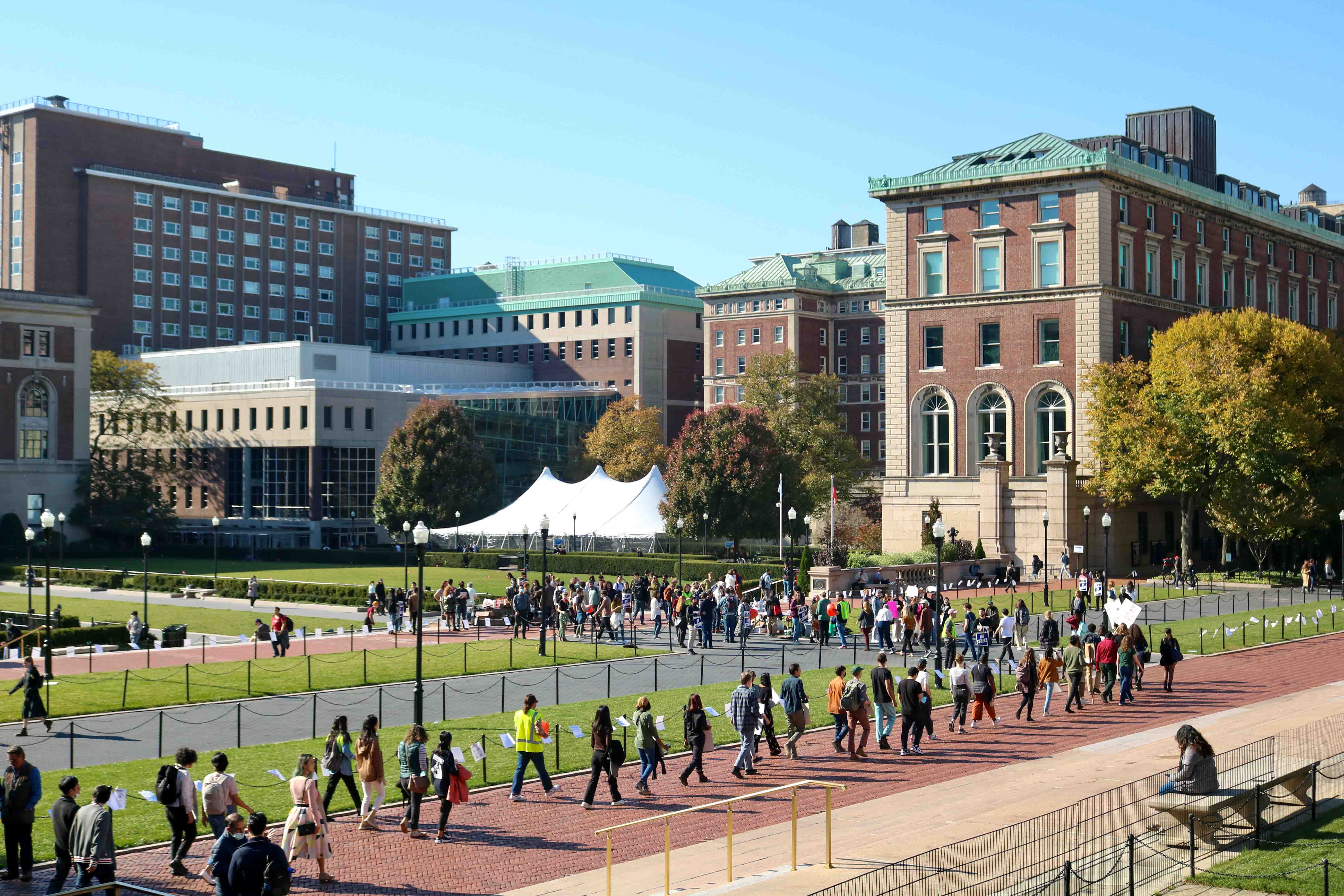
After 11 hours of bargaining on Nov. 15, the Harvard Graduate Student Union-United Auto Workers reached a tentative agreement with Harvard University. But as the Student Workers of Columbia-United Auto Workers near the third week of their second strike this year, limited progress has been made towards an agreement with Columbia.

Content warning: This story contains the mention and use of racial slurs and discusses topics of racism.
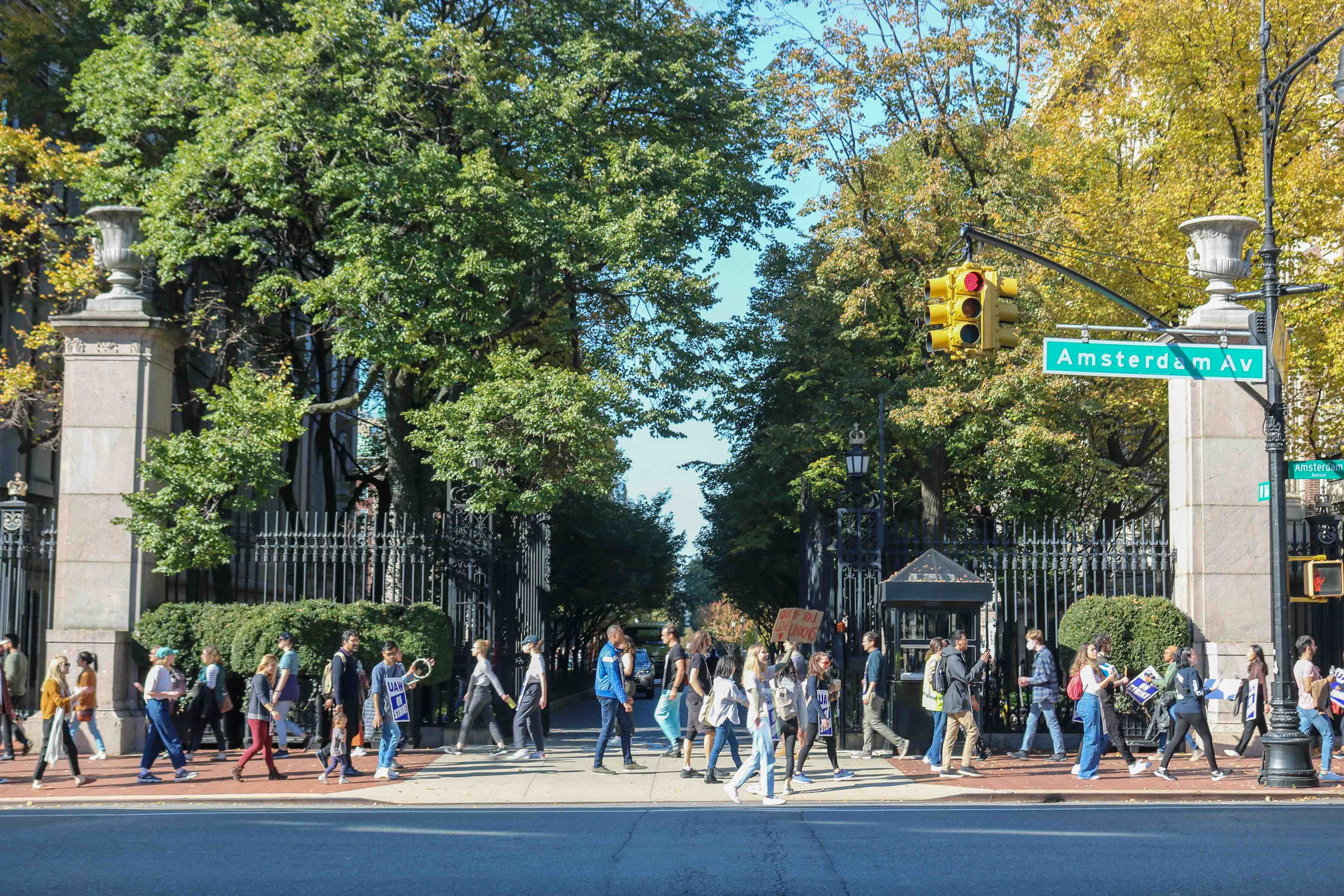
Since the Student Workers of Columbia-United Auto Workers took to the picket lines last Wednesday, bargaining between the union and the University has effectively come to a halt over the question of mediation.

Beginning their second labor strike this calendar year, student-workers commenced picketing on College Walk on Nov. 3. The Student Workers of Columbia–United Auto Workers has bargained with the University over 85 sessions and for nearly three years in the hope of receiving a fair labor contract. They now have $140 million worth of demands to bargain over.

Columbia’s 10th annual Giving Day on Oct. 20 was the most profitable in the event’s history. It raised nearly $28 million through 21,359 donations, marking a roughly 13 percent increase in donations from last year. The fundraiser’s success comes amid the University’s extensive pandemic losses, which amassed $100 million in the 2021 fiscal year.