

Victor Swezey
Latest articles
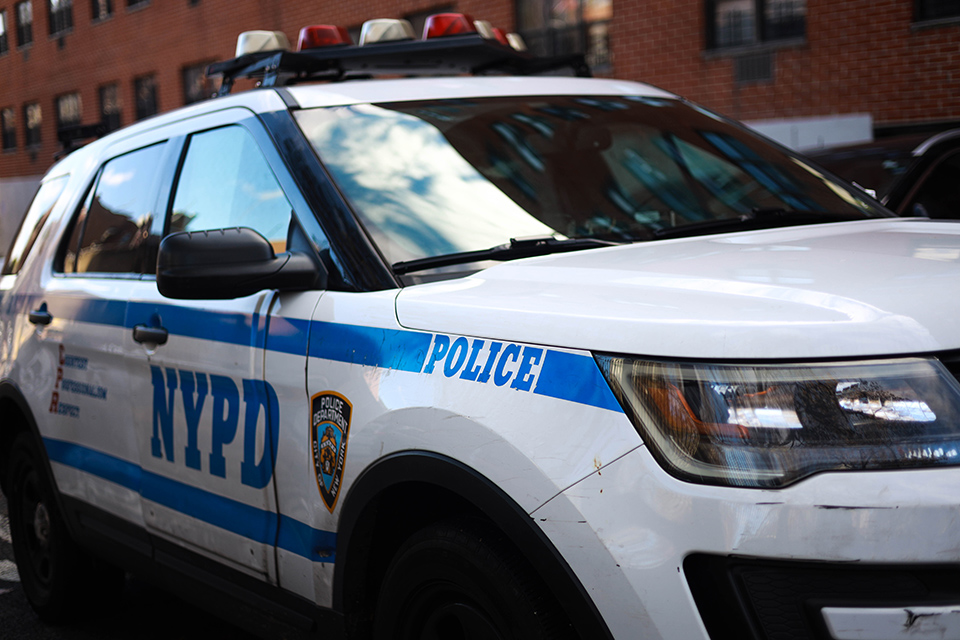
New York City Mayor Eric Adams announced in November new guidelines for dealing with mental illness that empower non-medical city employees, including police officers, to forcibly hospitalize people with mental illness who are deemed incapable of “meeting their own basic human needs.”
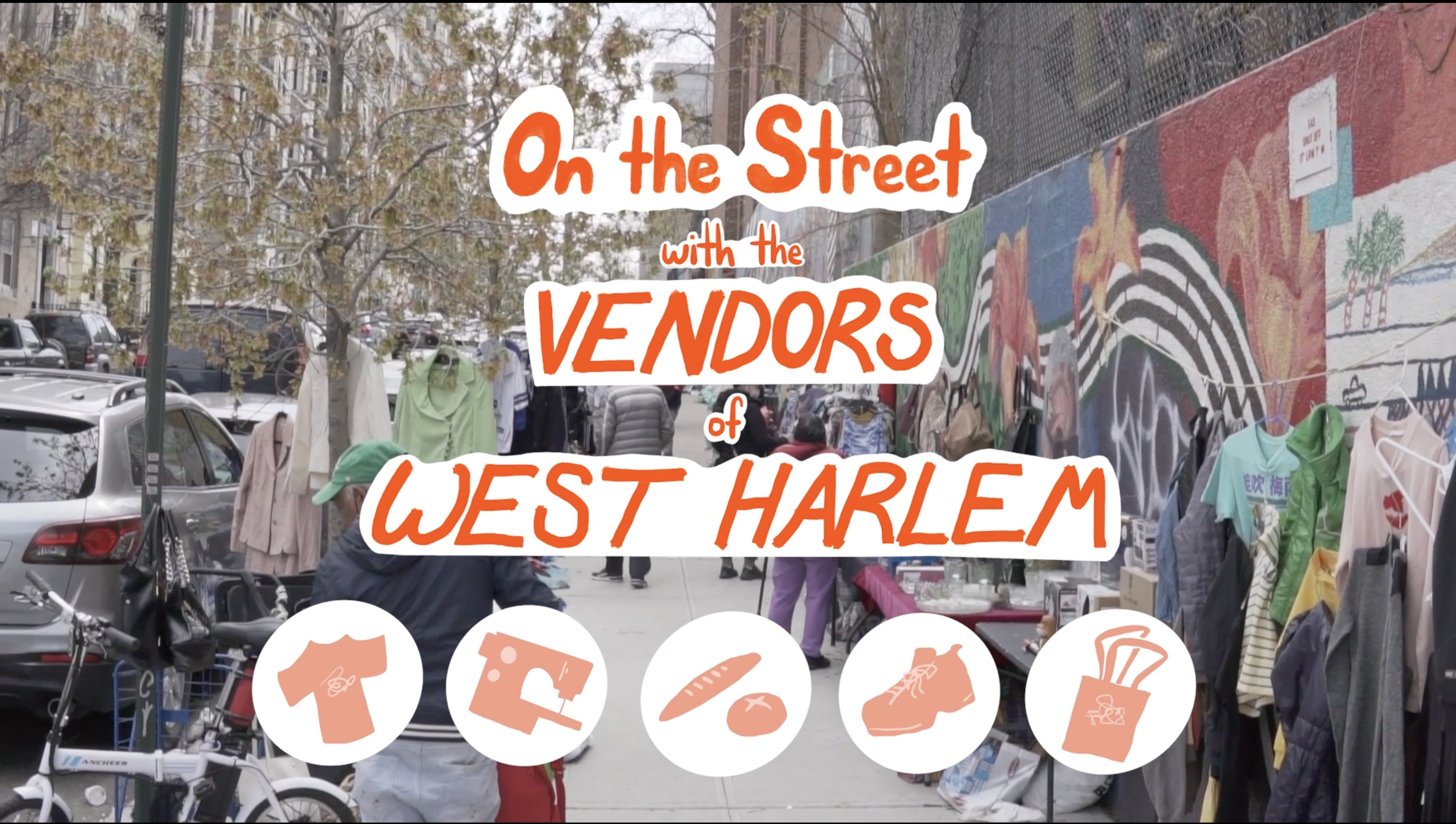
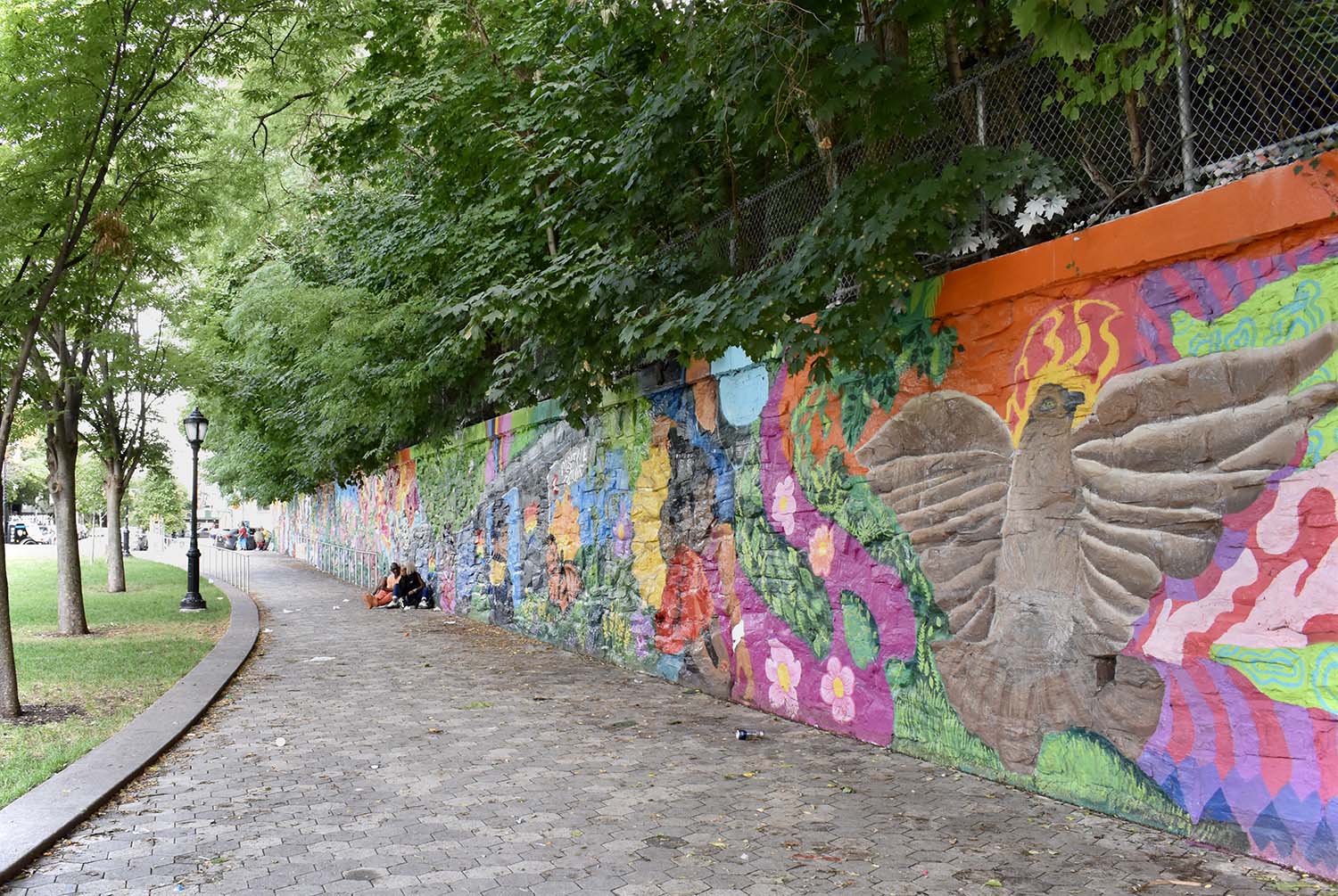
Description: On Saturdays and Sundays, the area around Montefiore Park in West Harlem becomes an open air market. Street vendors sell everything from household necessities to books and antique vinyl records—some of the 20,000 across the city who face unpredictable weather, police harassment, and an ineffective permit system every day as they seek to make a living.
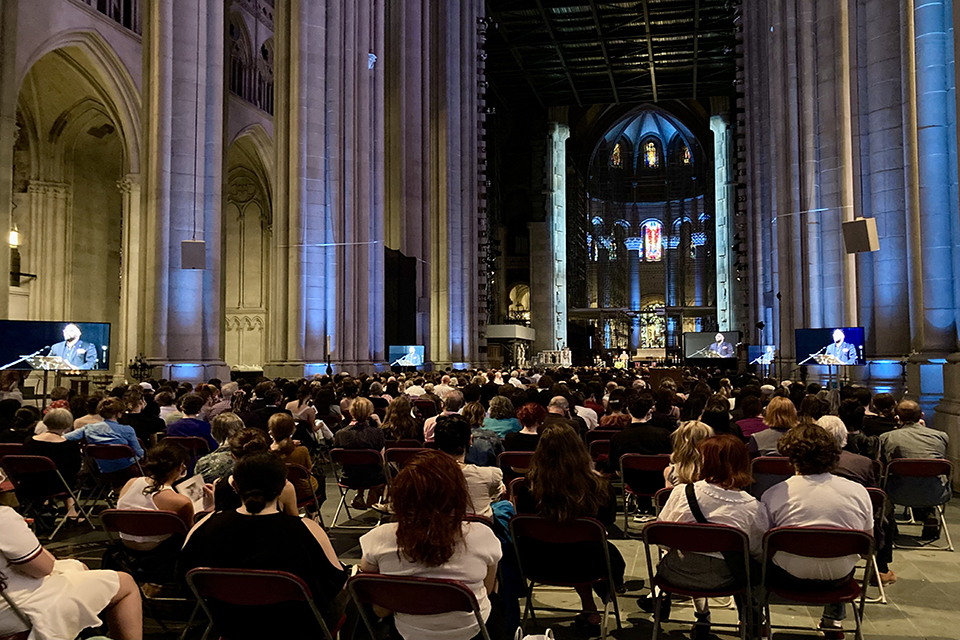
Hundreds of people filled the Cathedral of St. John the Divine on Wednesday night for the memorial service of renowned essayist and journalist Joan Didion.
Last summer, over 1,300 young people from West Harlem fanned out across the city to work everywhere from community boards and architecture firms to vegan chocolate stores and doggy daycare centers. Each walked away with valuable workforce training, a summer of professional experience, and over $2,000 in their pocket. And the city of New York paid their wages.
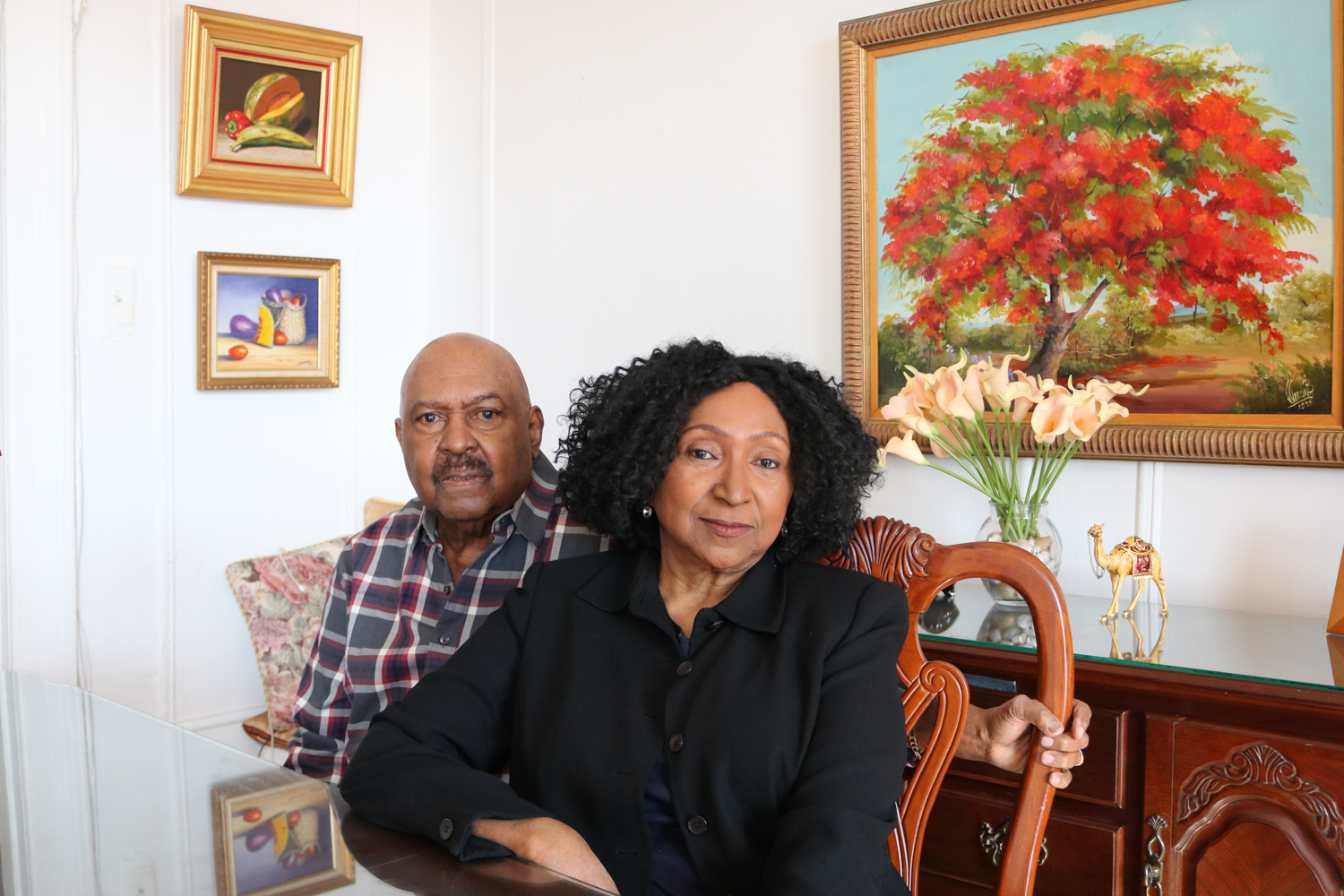
As a kid in the 1970s, Alex Brito used to sneak into the School of Architecture at the City College of New York between games of stick ball. Whenever he could, Brito dragged the architectural models that he found in the dumpster back to his family’s fifth-floor walk-up a block away on 134th Street. Nearly 50 years later, that building—which Brito’s parents still call home—is being renovated to transition into a tenant-owned cooperative, and Brito’s firm, RKTB Architects, has been hired to work on the project.

Maritta Dunn, the co-chair of Community Board 9’s Economic Development Committee, remembers watching wealthy New Yorkers arrive at the corner of 126th Street and Amsterdam Avenue in limousines to pick up mink coats. She remembers buying day-old bread from the enormous Taystee Bakery for half price at a store around the corner. During her 62 years in West Harlem, Dunn watched these buildings fall into disrepair before a small development firm called Janus Property began implementing plans to bring them back to life.
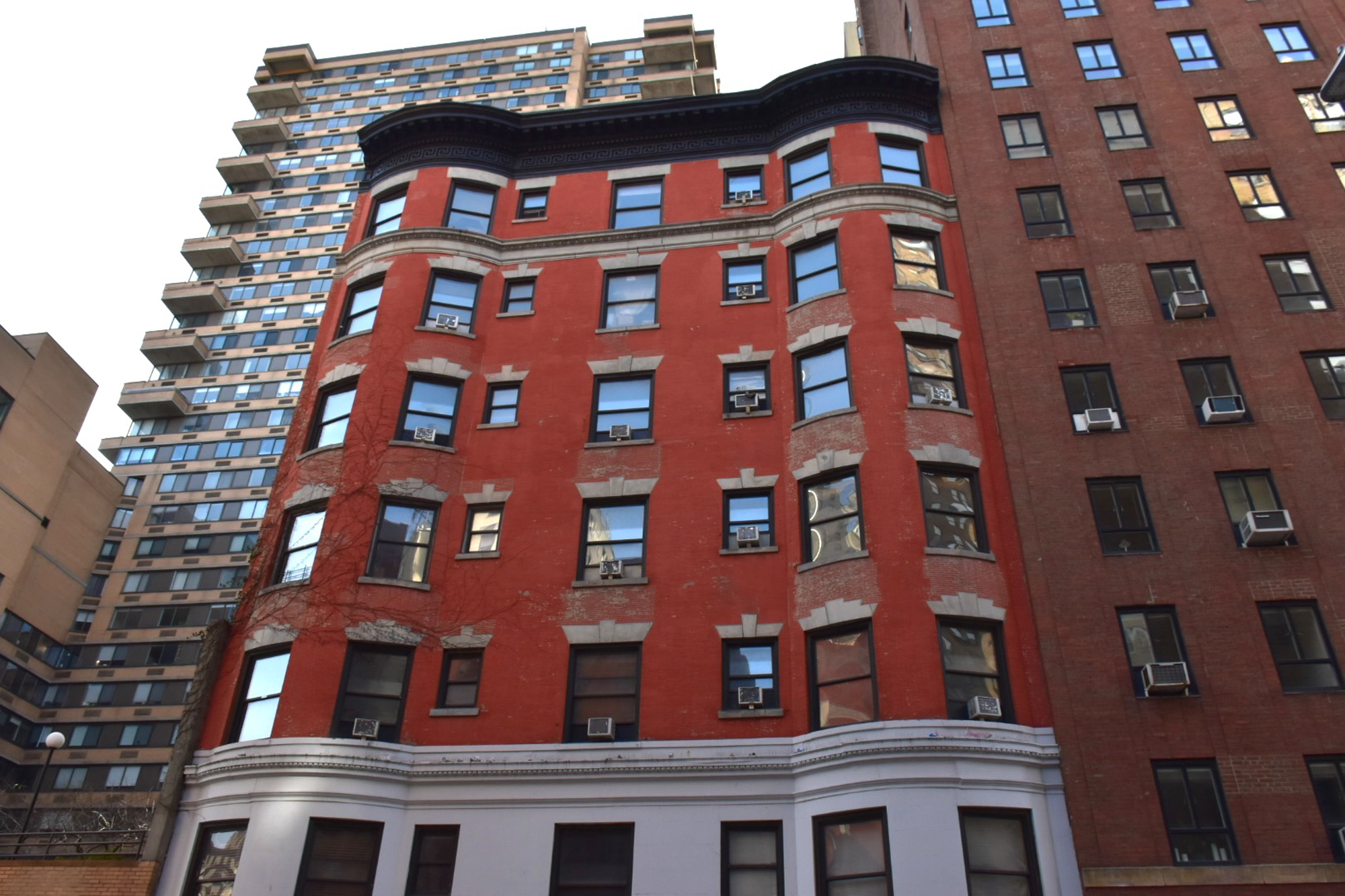
After a protracted battle with a notorious real estate developer, an illegal hotel on the Upper West Side will become permanent affordable housing for New Yorkers experiencing homelessness.
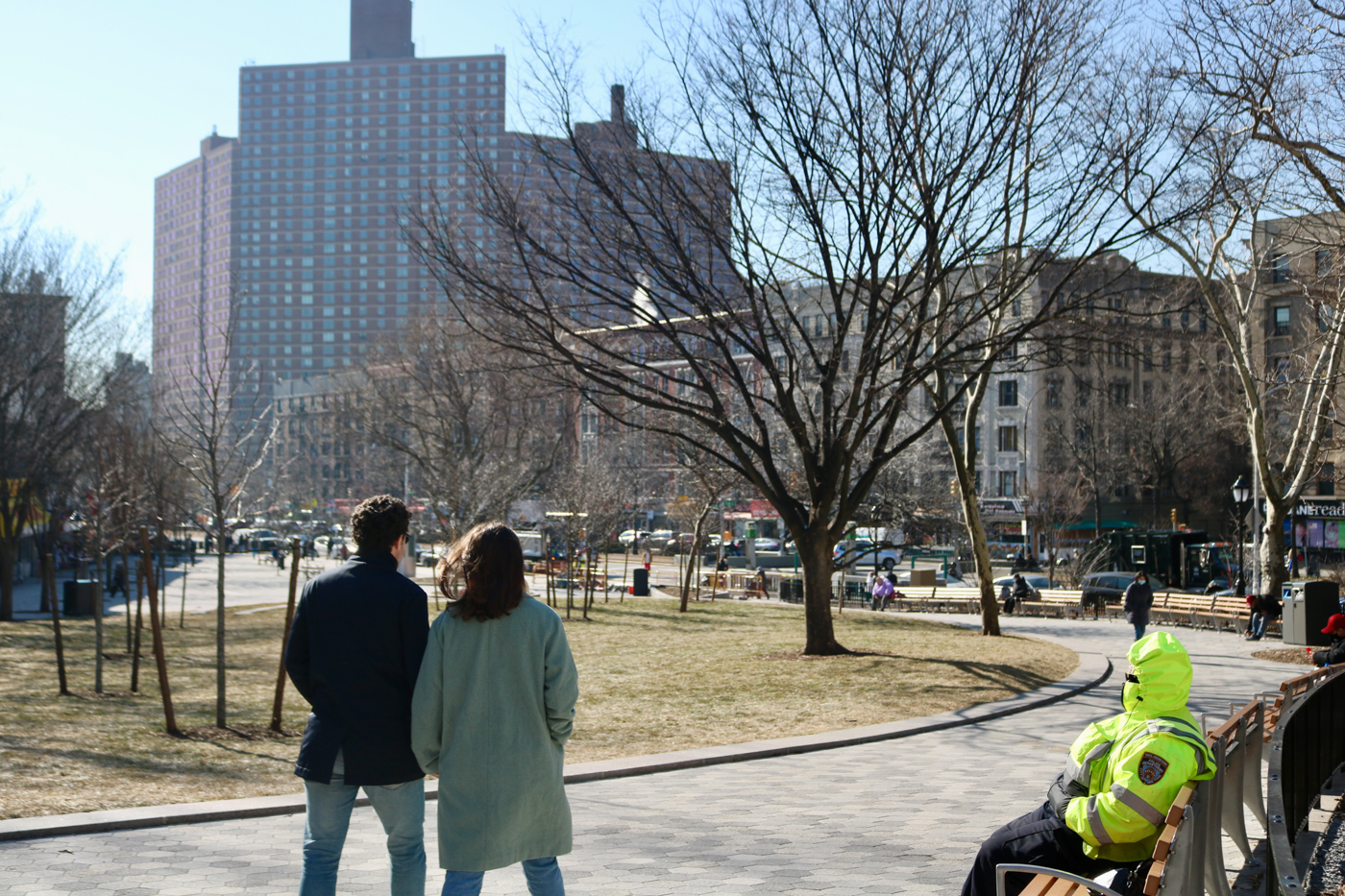
From her seat by her apartment window, Alida Palma dreamed of rehabilitating her beloved neighborhood park. It was the early 1990s, and Montefiore Square, a park on the southeast corner of 137th Street and Broadway Avenue was in disrepair and filled with litter. Aiming to not only spruce up the park but also give her community a place to gather, Palma founded the Montefiore Park Neighborhood Association in 1994.
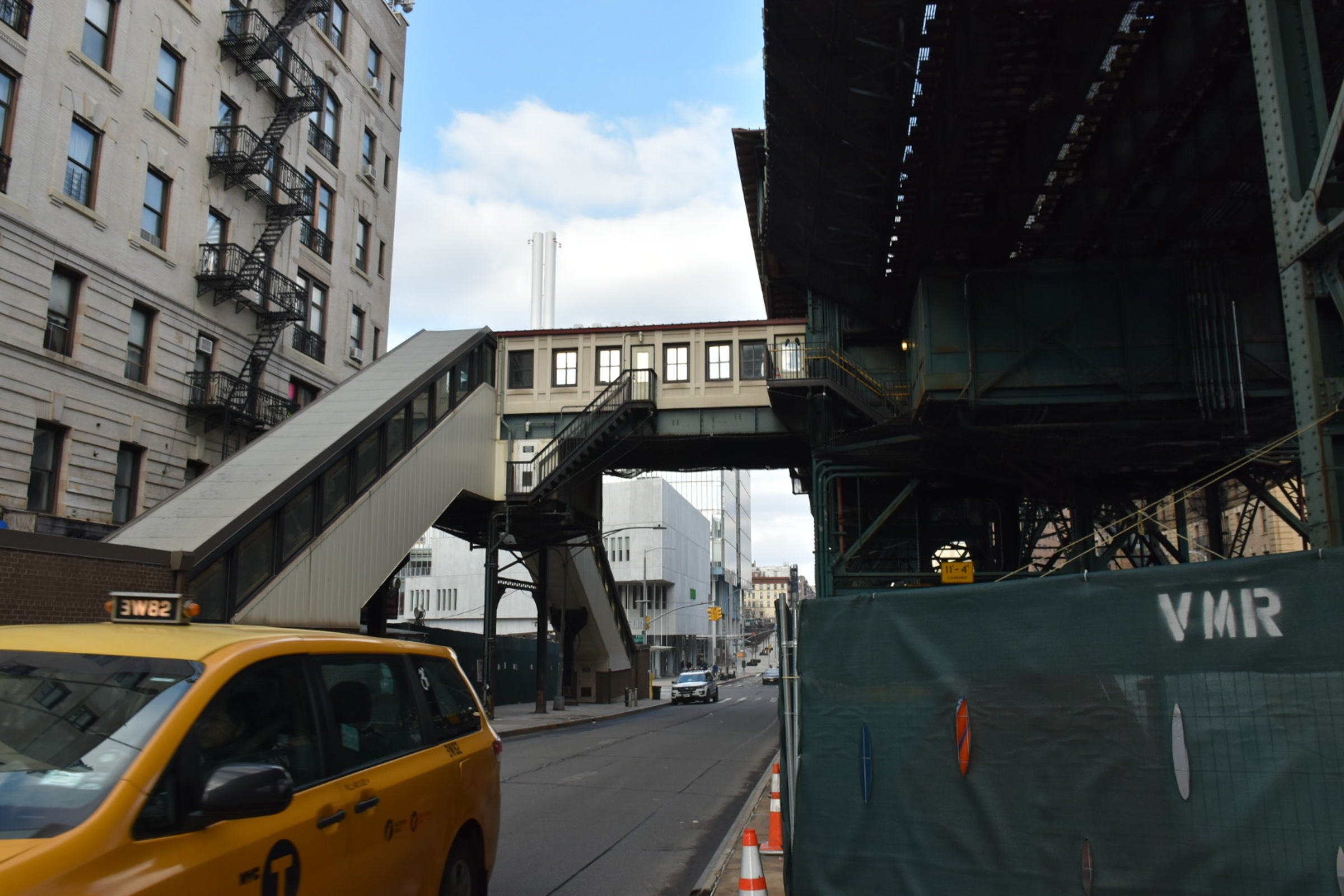
When the sun goes down, Iris Mendez no longer feels safe using the 125th Street station, her local subway stop. Mendez is visually impaired, and she has trouble finding and using the station’s escalator in the dark. which just deposits her at another set of stairs leading to the elevated platform.