

Dia Gill
Latest articles
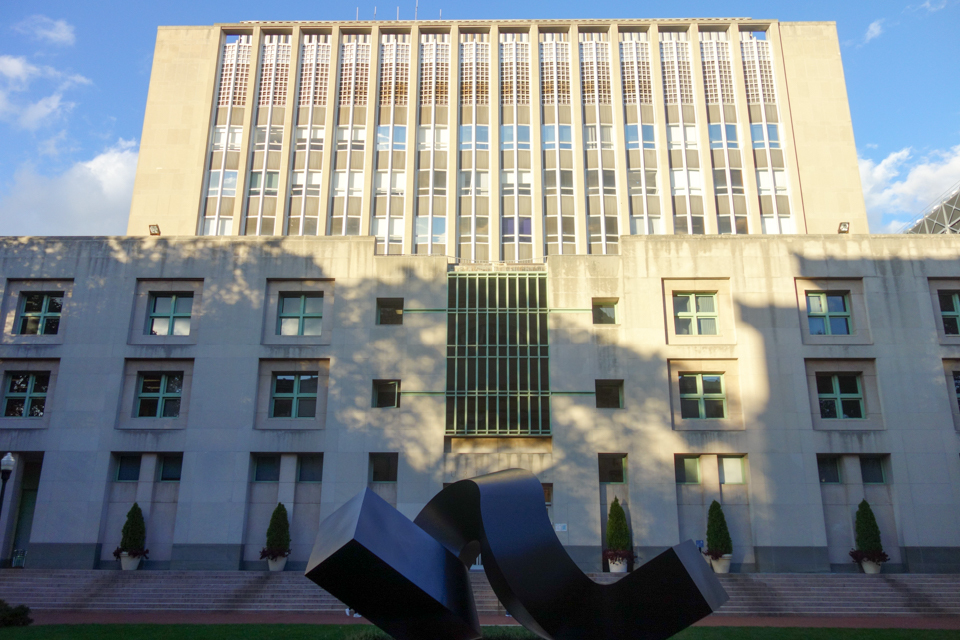
After an unauthorized trip to Turks and Caicos, 70 students from the Business School have been barred from entering any campus facilities until Dec. 1.

As the presidential election enters its third day and the country sits at the edge of its seat awaiting the announcement of the new president-elect, Columbia students and Morningside Heights community members reflect on what’s at stake.

Faced with another remote semester, some students have found themselves confronting issues hands-on at home that would have otherwise been left up for theoretical debate and discussion in their classes.

After a summer of nationwide Black Lives Matter demonstrations, Columbia’s Mobilized African Diaspora has released a letter of demands in response to Columbia’s “empty promises and a clear lack of tangible institutional support for Black lives.”

Are you a Columbia student seeking off-campus housing for any part of the upcoming 2020-21 school year? Are you planning on living at home for part of or all of the school year?

Updated July 29, 2020 at 9:44 p.m.

Messages between members of the Columbia chapter of the Phi Gamma Delta fraternity, nicknamed Fiji, have circulated over the past week, implicating several students in racist comments targeting a Black woman photographed in The Denver Post after being tear-gassed by police. One fraternity member’s concerns were dismissed when he expressed disgust with a joke that compared the tear gas—a toxin linked to chronic respiratory diseases and miscarriages that has been used as a weapon against protests—to semen.

New York provides free and low-cost emergency medical care for its low-income residents, but as of February, healthcare could cost noncitizen immigrants a green card or a visa.

As the United States leads the world in COVID-19 cases, its healthcare system has come under scrutiny. In urban areas like New York City, the inequities that low-income, Black, and brown populations face in seeking care have been highlighted as these populations find themselves disproportionately affected by the COVID-19 crisis.
