

Gia Kim
gia.kim@columbiaspectator.com
Latest articles

Ai Weiwei, an acclaimed Chinese contemporary artist and human rights activist, shared his beliefs on the values of real life experience over education at an event Thursday discussing his most recent project

How do people engage with photography as an artform when anyone with a smartphone can take a photo?

On a humid Monday night, a diverse group of undergraduate film enthusiasts gathered in the Intercultural Resource Center. They were there to discuss problems they all faced as underrepresented artists on campus, one of which was that while Columbia has strong programs for declared visual arts and film majors, there is a lack of resources for artists on campus who aren’t art or film majors.

Sitting in the Diana Oval on a Thursday night, an audience of all ages sat and hummed in unison, attempting to replicate the concept of sonic frequency that Tina Campt presented in her book, “Listening to Images.”
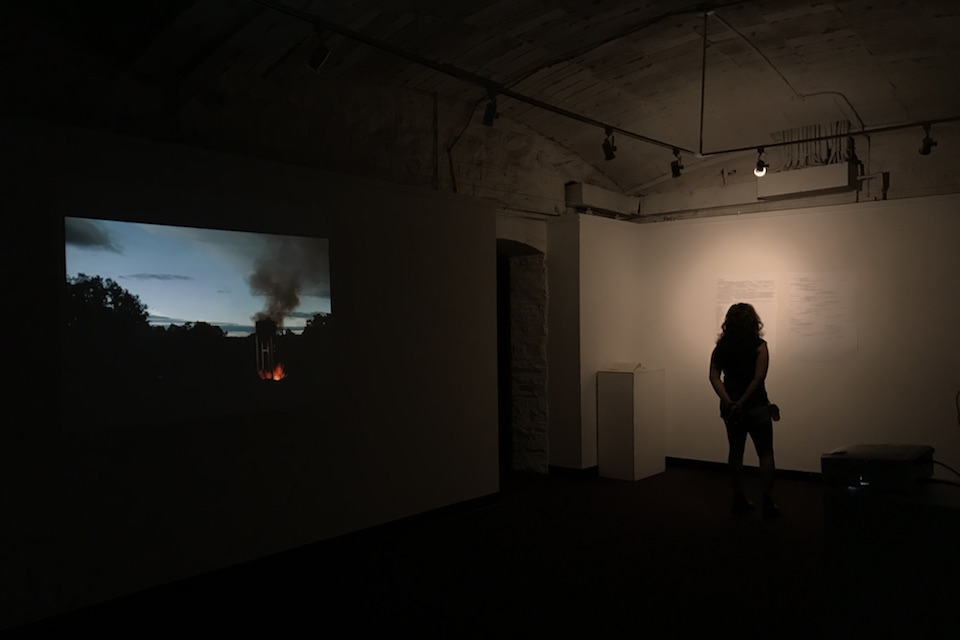
Huddled around a small table at Brownie’s Café in the basement of Avery, seven of the board members of Postcrypt Art Gallery, a historically hidden gem on campus, proceed with their weekly meetings among the hubbub.
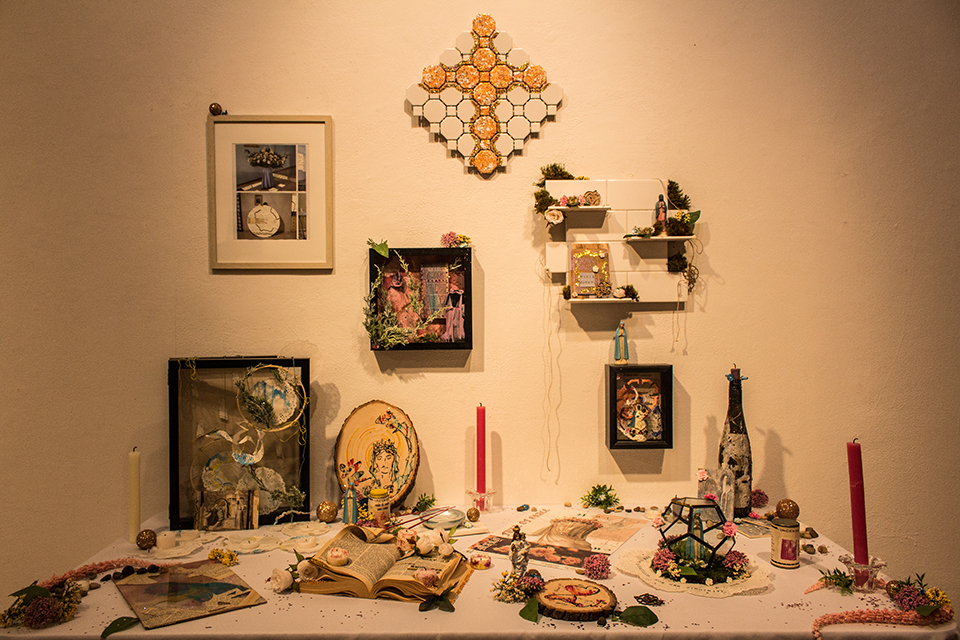
The commotion of Joe Coffee in the lobby of Dodge Hall faded away in the adjacent LeRoy Neiman Gallery, the site of the Undergraduate Visual Arts Senior Thesis Exhibition. The space is simple, which allows the viewers to immerse themselves in the artwork on display and to develop their own interpretations, as none of the works came with attached descriptions.
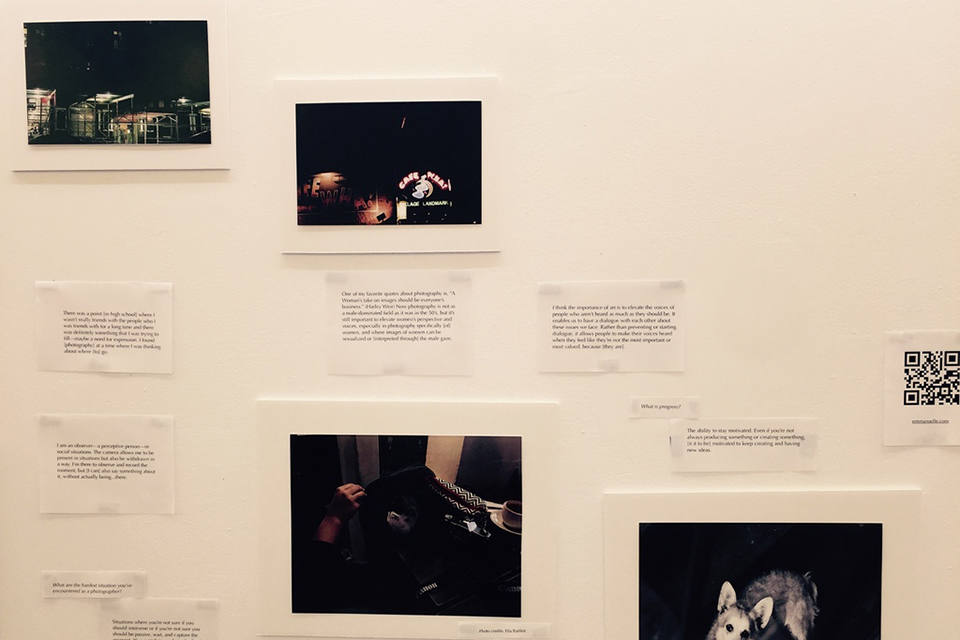
The basement of Altschul Hall is an unusual location for a makeshift gallery. But brightly lit by sunlight, the Barnard International Artists Series’ mural—on display in the Altschul Tunnel Gallery until Thursday—hangs opposite the mailboxes, exploring the creative minds of six student artists of various disciplines.
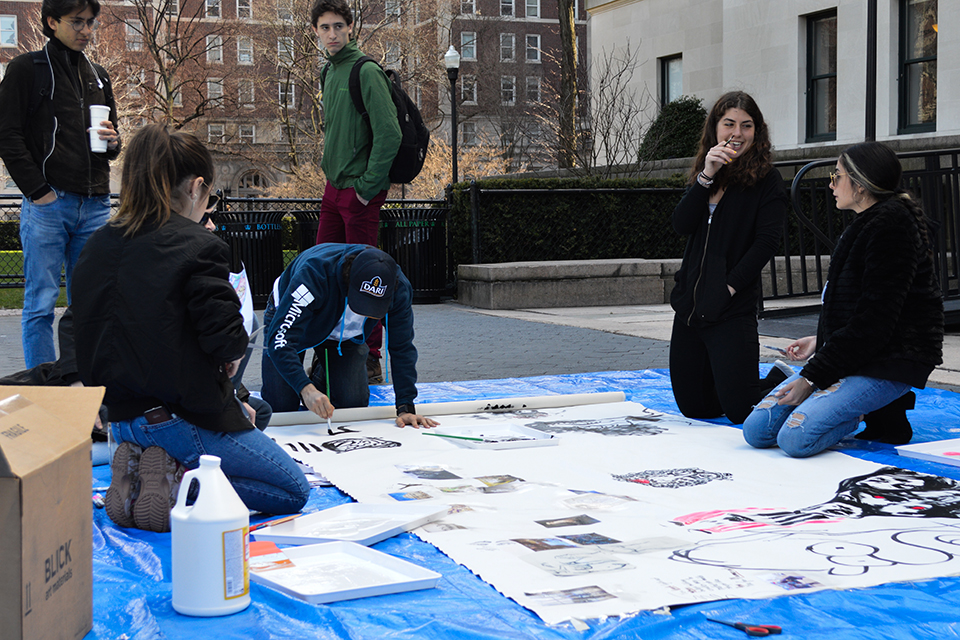
What does happiness look like to Columbia students? Armed with canvas, paint, a rainbow of Sharpies, and collage glue, Alex Bass, CC ’18, set up shop in front of Butler on Sunday afternoon to find out.
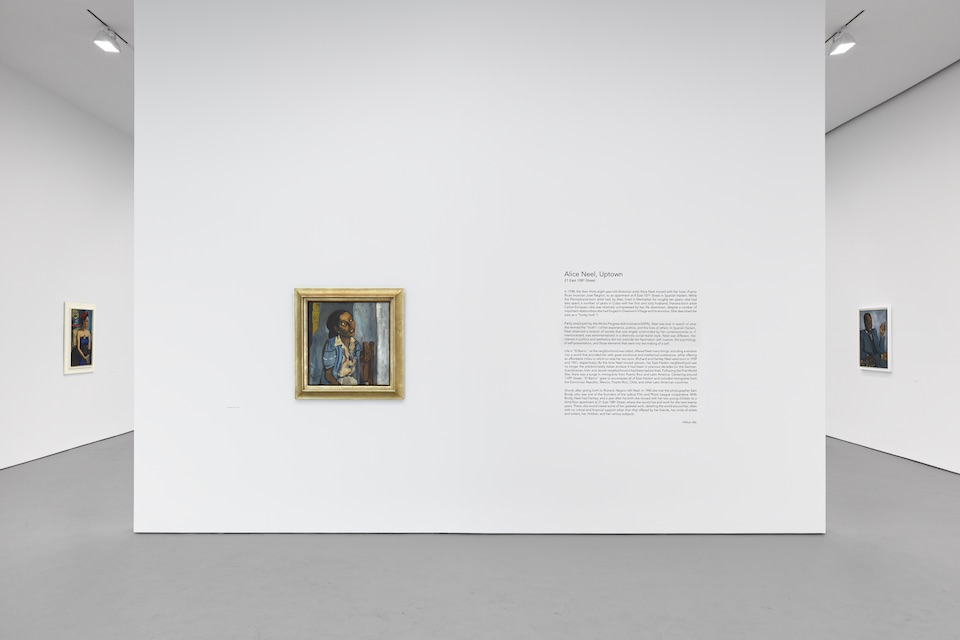
Upon entering the David Zwirner Gallery in Chelsea, visitors are struck by early 20th century New York artist Alice Neel’s oil rendition of the face of Mercedes Arroyo. An influential community organizer in Spanish Harlem, where Neel lived from 1941 to 1962, Arroyo gazes wistfully to her right, one hand slung on the chair she’s sitting on.
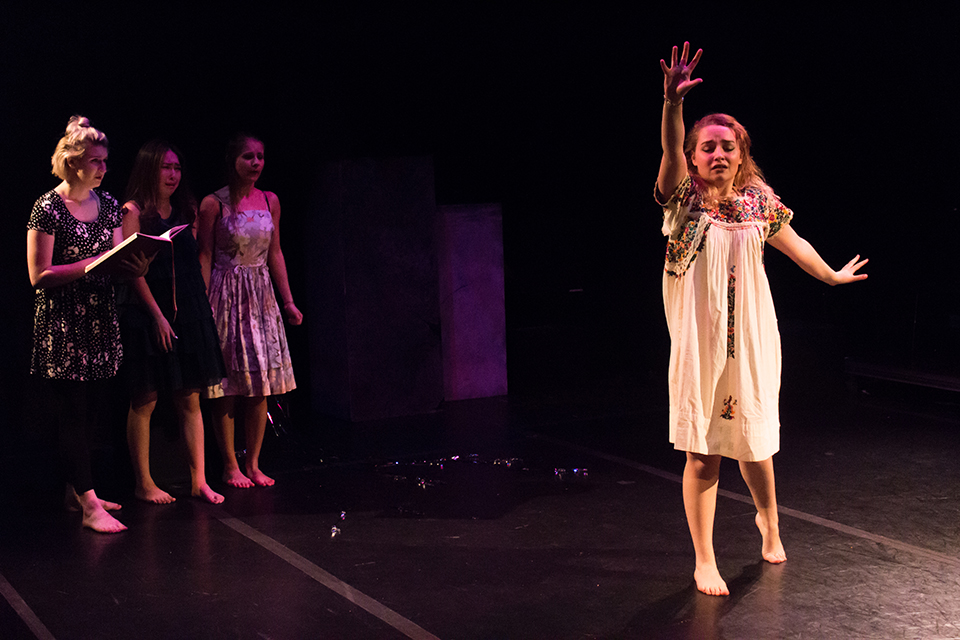
A prop resembling a campfire dimly lights up the stage. Five cast members gather in a circle while one of them begins to tell the Greek myth of Daphne and Apollo. As the story progresses, the cast members go through their own kind of metamorphosis: One of them becomes Daphne, frantically running around the stage while another becomes Apollo, who pursues her in a fury. The tension grows with the frenzy of their movement until the story reaches its climax, and they come to a halt, Daphne having turned into a tree.