

Molly Miller
Latest articles

The scientific method, as we learned it in grade school, generally begins with a question, followed by a hypothesis, experiment, observation, and conclusion. Scientists in academia have an extra step that falls somewhere in between all of the above: applying for federal grants in hopes that they can continue funding their labs until their projects have concluded.

For our orientation issue, we’d like to present you with some Blinks: small anecdotes from our staff members. This time around, we’re looking back to our most memorable NSOP experiences in honor of the end of everyone’s favorite week of the year.
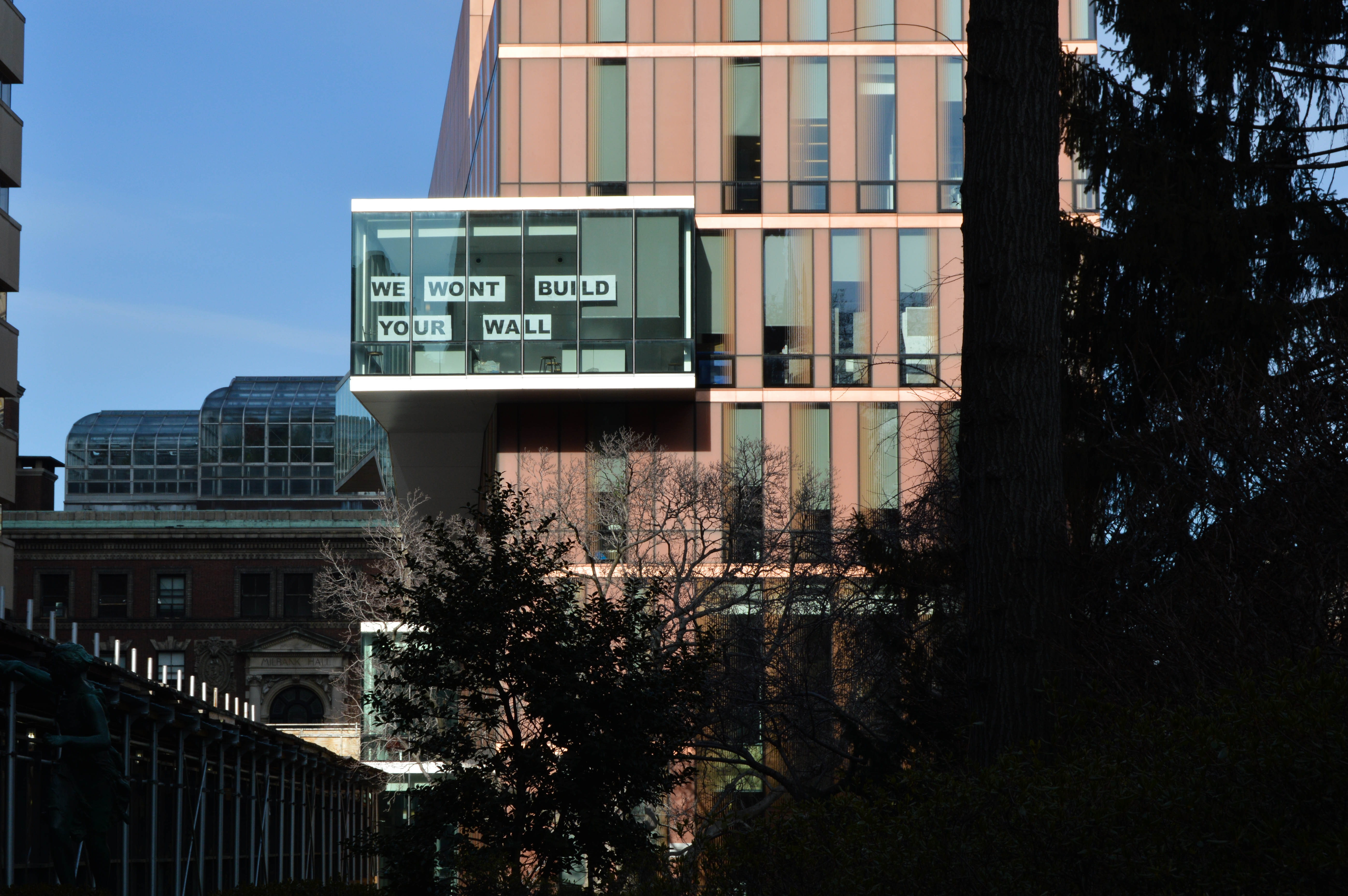
During the 1968 protests, about 50 architecture students occupied Avery Hall to protest both the University’s involvement with the Vietnam War and—closer to home—Columbia’s plans for a segregated gymnasium in Morningside Park. For James Graham— the director of publications at Columbia’s Graduate School of Architecture, Planning and Preservation and founder of the Avery Review—these protests are a part of Columbia’s heritage.
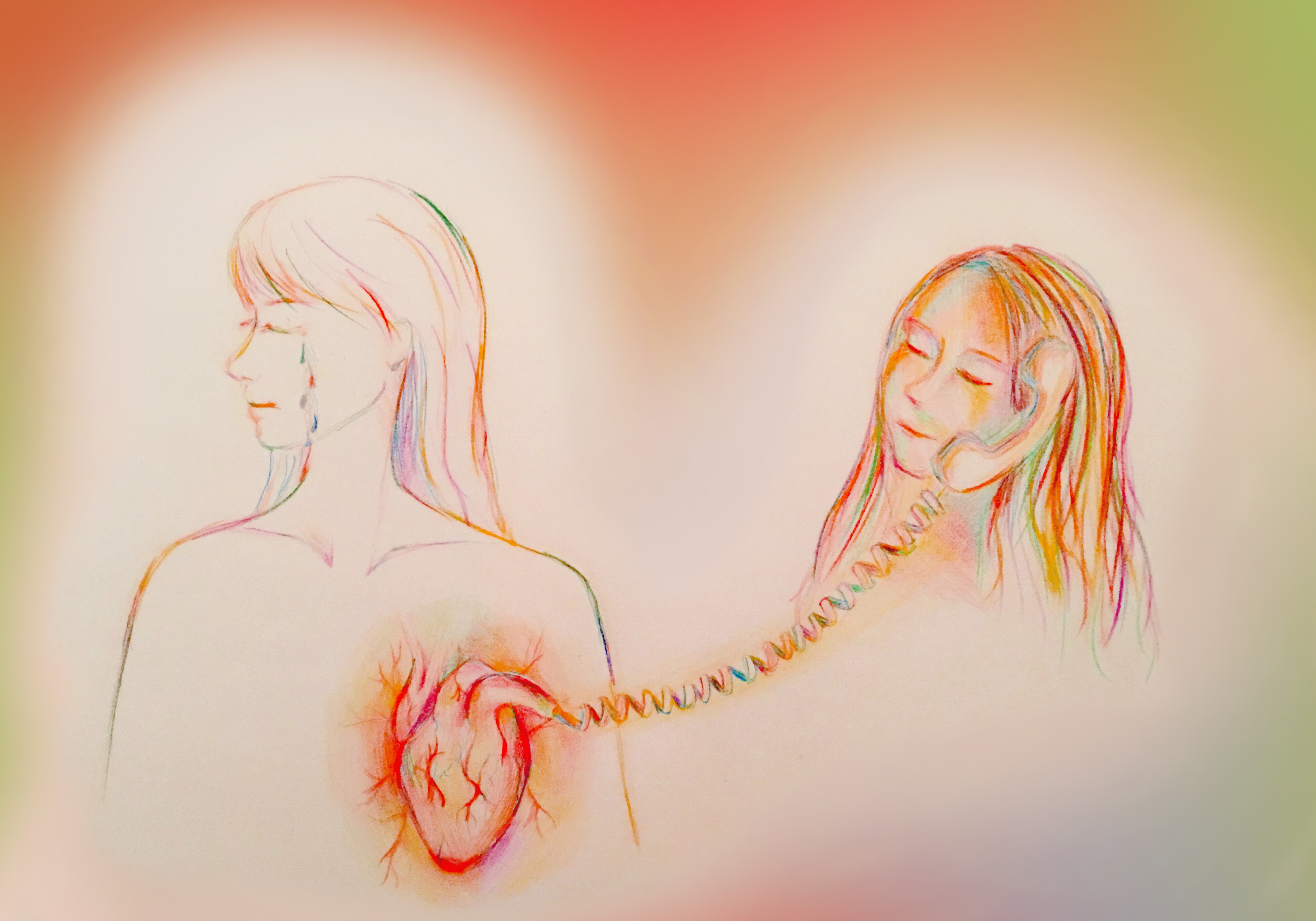
Of all the powerful moments in the widely circulated anonymous op-ed, “Columbia has an empathy problem” that was published in Spectator this January, this passage stayed with me the most. In the weeks following a series of student deaths, I had wondered about what seemed missing in our campus community, and this opinion felt like the answer.
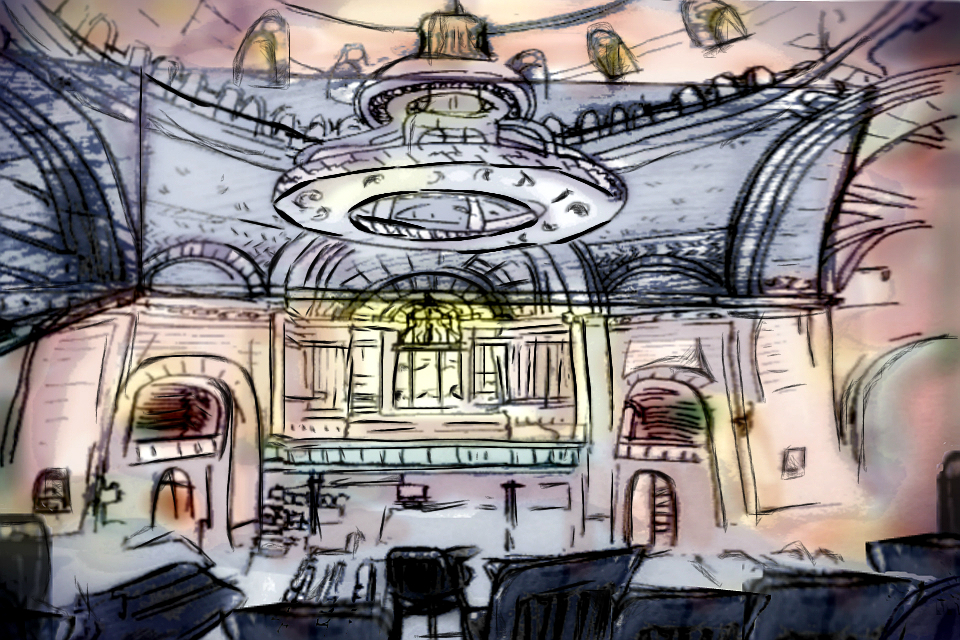
Pointing out its distinct tile work, brick work, stained glass windows, and chandeliers, Father Dan O’Reilly explains that St. Paul’s Chapel is not supposed to look like other buildings on campus. “Because it looks so different on the interior, I think it is sort of an oasis that students can come in and feel that they're no longer in New York City, that they're in a space of prayer,” he says.