

Rahil Kamath
News staff writerrahil.kamath@columbiaspectator.com
Latest articles

Training sessions for suicide prevention were not provided to incoming first-years during the New Student Orientation Program last week despite broad, ongoing efforts by administrators to expand mental health programming on campus.

Long a topic of advocacy and activism on campus, mental health on campus was given a new level of urgency in the past year, with at least six student deaths since last September adding to perennial concern surrounding Columbia’s unique culture of stress.
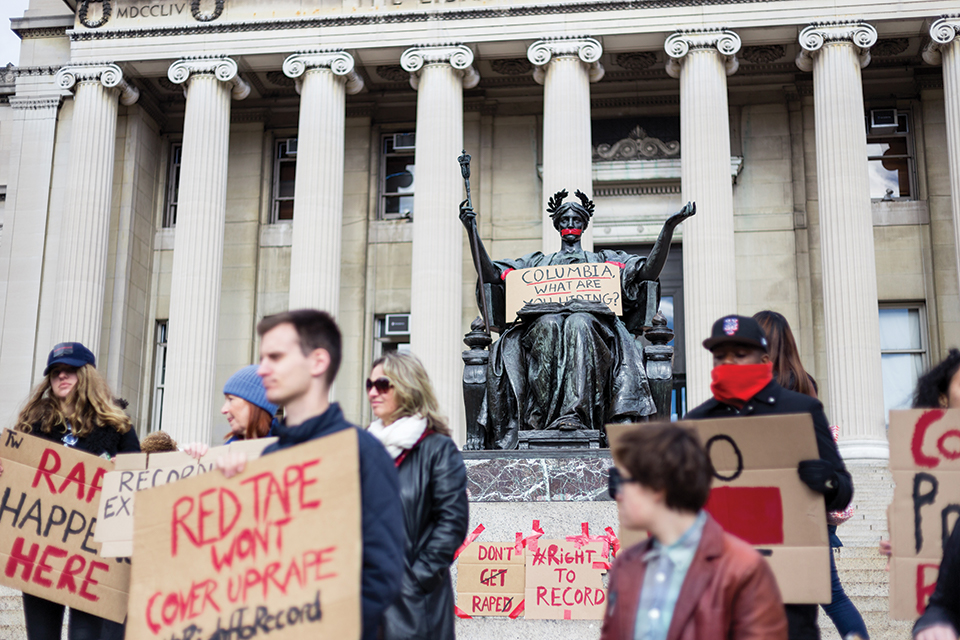
Columbia has submitted a motion to dismiss the lawsuit of Amelia Roskin-Frazee, CC ’19, who alleged that the school mishandled her reports of rape.

Following the hit-and-run of Shariq Jumani, CC ’20, early Monday morning, New Jersey native Brayard Arno has been arrested after turning himself in on Tuesday.
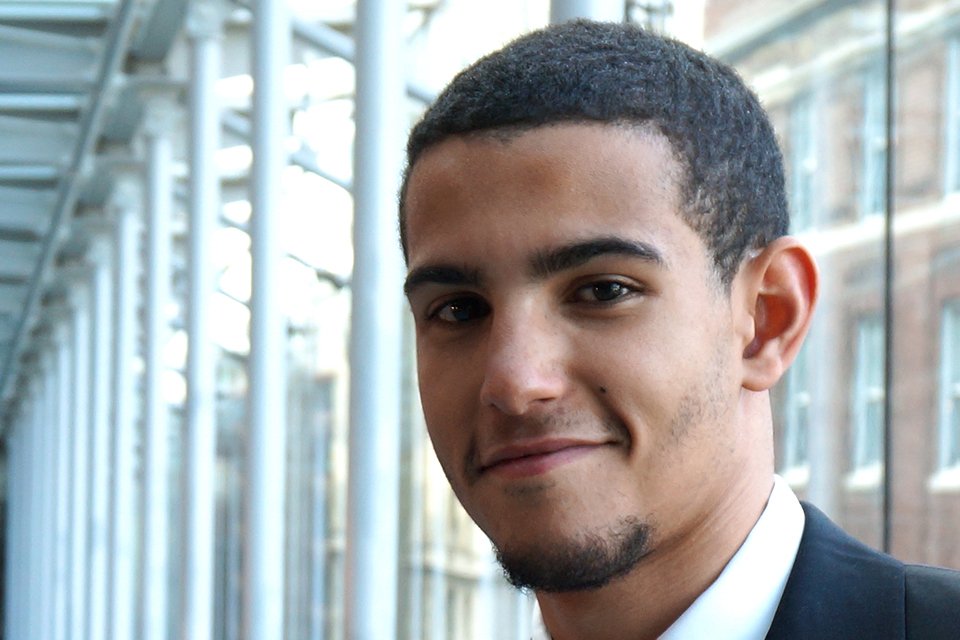
Nick Wolferman chose Columbia for the same reason as many prospective students: the Core Curriculum.

The need for improved mental health practices on campus became painfully clear over the course of the past year. At least six students died since September, and Spectator confirmed that at least four of those deaths were suicides. In recent months, Columbia’s administration has announced the formation of a steering group on mental health to assess and improve resources.

Students seeking mental health support from Columbia’s Counseling and Psychological Services can face weeks-long waits just to meet with a clinician.
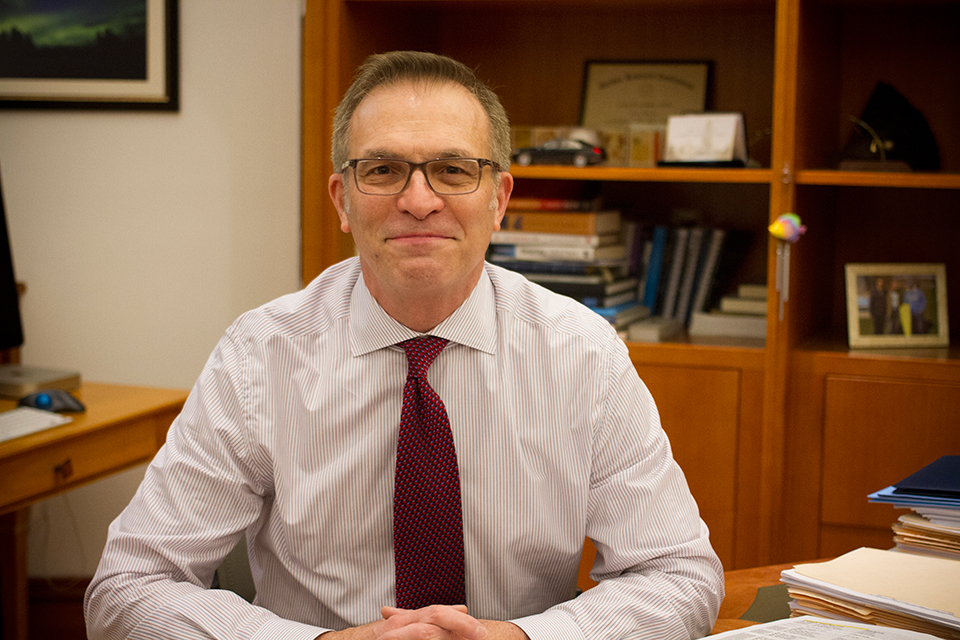
As part of its effort to evaluate Columbia’s mental health resources and policies, a mental health steering group led by Columbia College Dean James Valentini will partner with the Jed Foundation, a nonprofit that will aim to provide an external, expert perspective on Columbia’s practices.

Amid a series of student deaths at Columbia in the past year, two distinct groups have proven to be disproportionately at risk for suicide: students of color and international students.
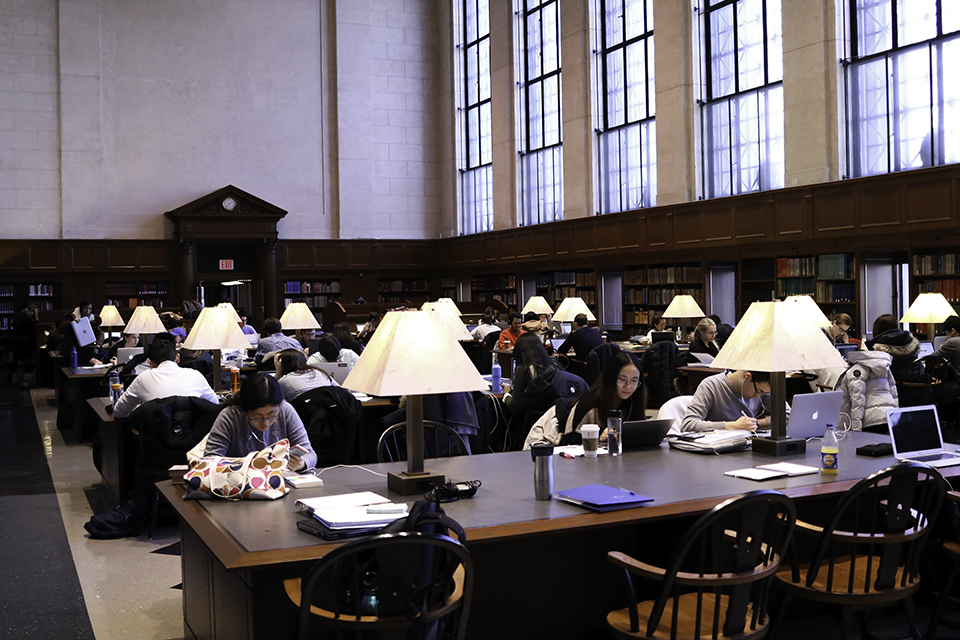
In response to calls from students and deans for improved mental health and suicide prevention resources, an administrative office not traditionally responsible for student health will become a stronger proponent this semester: the Columbia University Libraries.