

Daniela Apodaca
Eye Staff WriterLatest articles

Piles of diapers in every room, cartoons blaring in the background, and toys strewn all over the ground. This scene is very different from a college dorm littered with open books, dirty laundry, and half-empty bottles of alcohol. When exhausted babysitters commute straight from lecture to a family’s apartment, they’re exposed to the vast difference between the never-ending pace of college and the gentle hum of a kid’s day-to-day life.
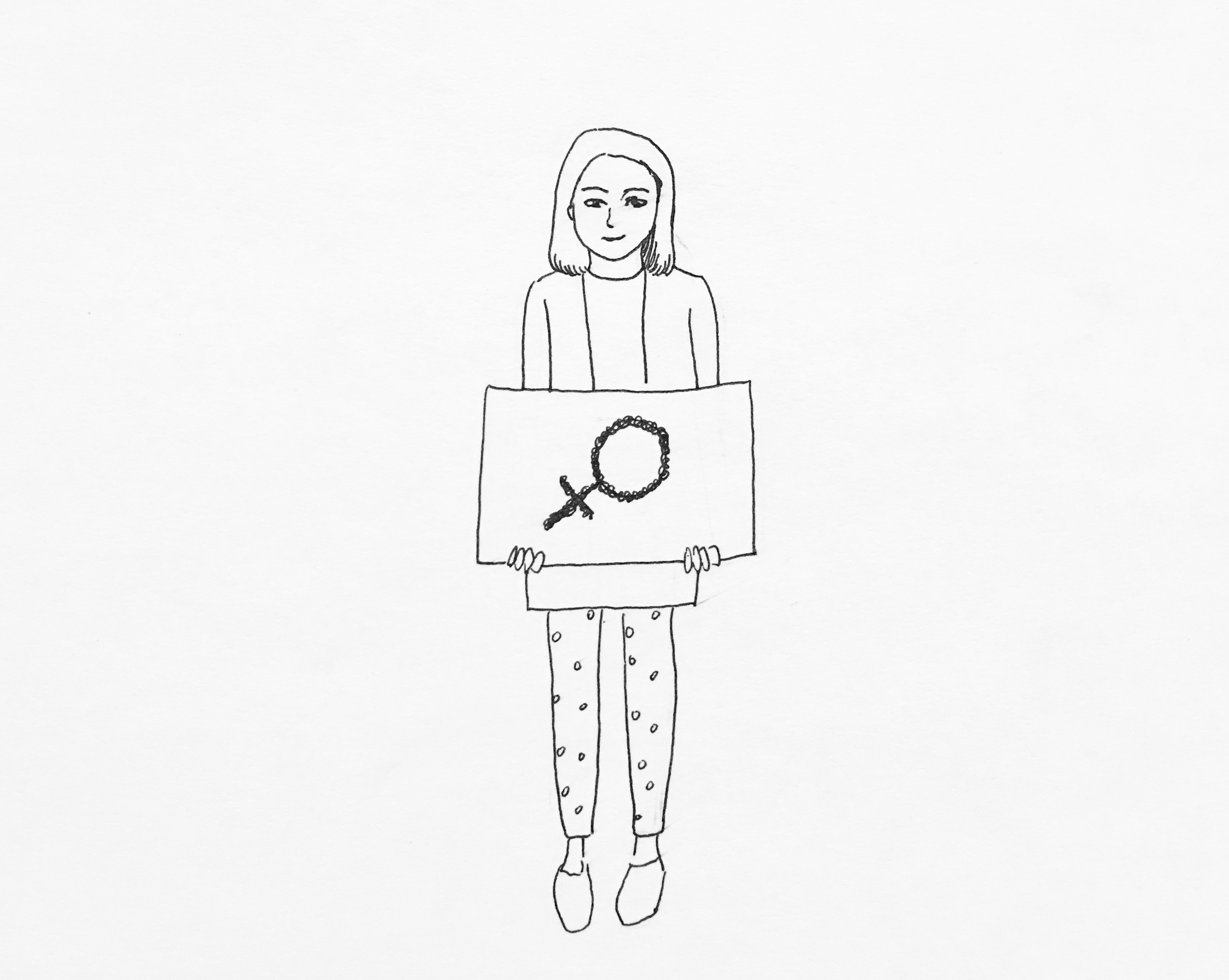
In this week’s edition of Blinks, our staffers reflect on recent moments of resistance, from marches to hunger strikes.
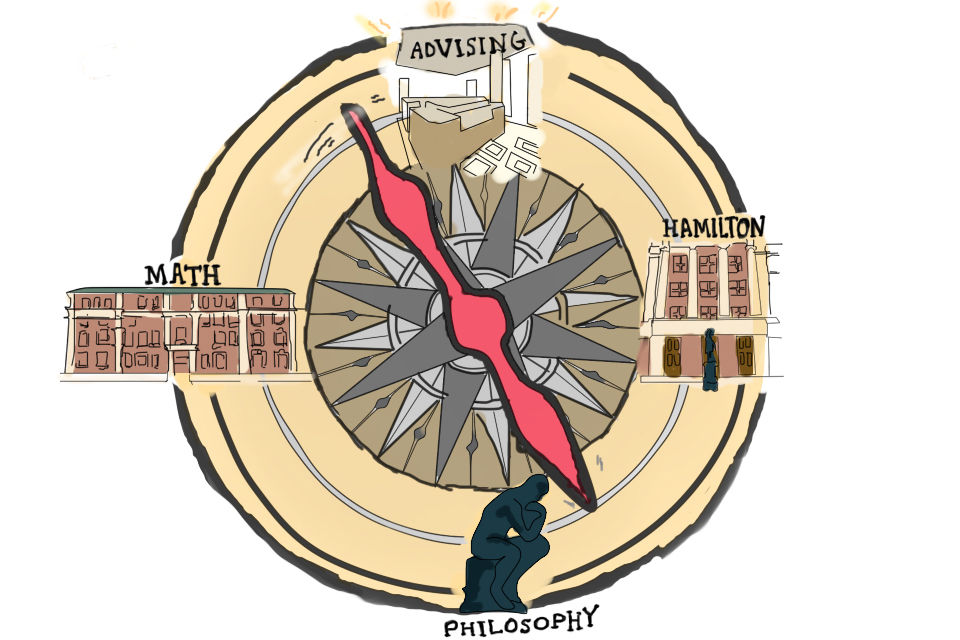
At this time last year, as my peers frantically made decisions about what institution they would be gracing with their presence for the next four years of their lives, I knew I would be attending Columbia, having been accepted early decision. In April, as Columbia’s Office of Undergraduate Admissions sent acceptance letters to thousands of students around the country, it also sent out hundreds of lesser-known letters telling students that they had been named scholars for the Columbia Undergraduate Scholars Program.
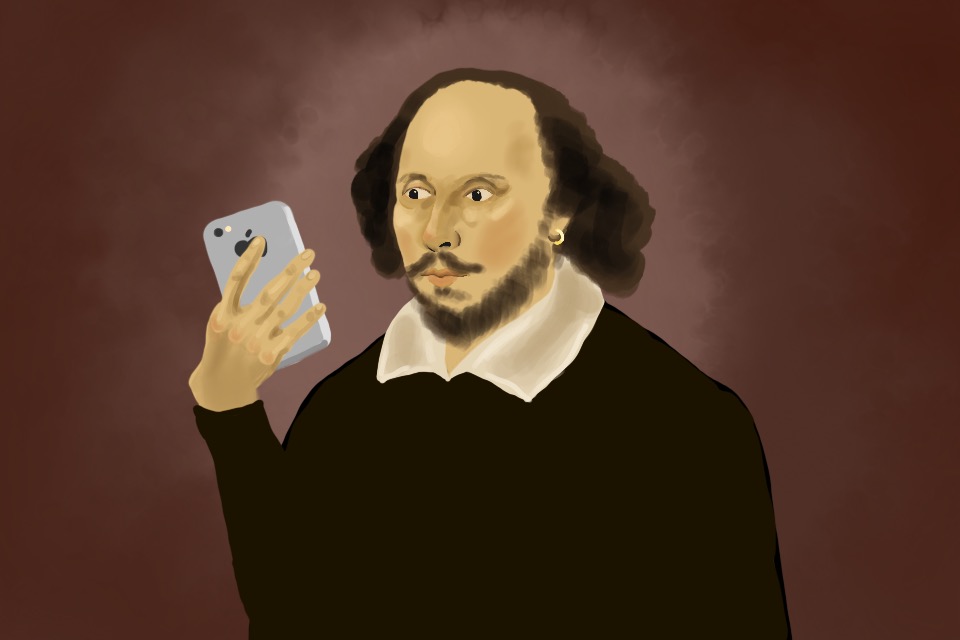
Just beyond the hustle of Butler’s busy entrance lies the Studio@Butler, managed by the Center for Teaching and Learning and the Digital Humanities Center. On Fridays from 3 to 5 p.m., when most students begin their weekends, a group of students and faculty members meet to experiment. With their laptops open and screens crowded with code, they look like they belong in Silicon Valley. But they study the humanities, not computer science.
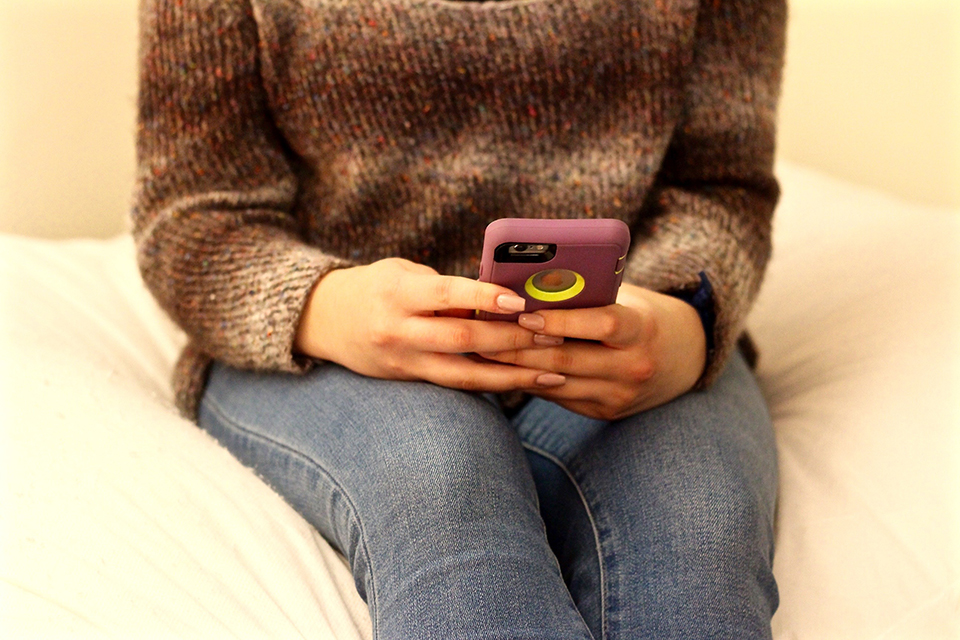
I look up from my French conjugations and catch my friend making faces at her phone as she twirls the string of her hoodie around her pinkie finger. She dangles it in front of my face; I read the message and slide it to another friend on my right whose sigh suggests she has had a long day at her internship and needs a break from her reading.