
Justin Cheng
Latest articles

Eye reporter Juliana Kim discusses how she approached her Issue 4 Lead Story that followed one Manhattanville resident’s fight against the neighborhood’s predatory landlords. Read the story here.

The first piece I wrote for The Eye was a series of profiles on the leaders of Columbia University College Republicans, Columbia University Democrats, Columbia/Barnard International Socialist Organization, and Columbia University Libertarians. Written in the months following the 2016 presidential election, the piece highlighted the growing political stratification that caused Donald Trump’s election and the way in which that stratification seemed to grow dramatically worse after the political shift—particularly amongst Columbia’s student groups. Yet while these leaders’ opinions on policy were different, they shared many core values—values that revealed a sense of common humanity across the political divides.

I was first introduced to the world of women’s wrestling by one of my editors, a female wrestler herself. She told me that Bri Csontos, a first-year at Columbia College and previously a member of the Virginia Women’s National Wrestling team, intends to start Columbia’s first women’s wrestling club.

A Korean-American student was originally meant to write this introduction. But she was afraid that, as an Asian person, she was unequipped to produce a preface for a video project that aspires to capture Blackness at our school. Being 12.5 percent biologically blacker than the next blackest person at The Eye, the task of introducing Black Columbia-ness has thus been left to me.

“You’re a Columbia student. How come you aren’t here every week? I want to interview you,” Peter Armenia says as I sit down at one of the Hungarian Pastry Shop’s cramped tables to interview him. Armenia is the president of Gotham Go Group, a group—unaffiliated with Columbia—that meets every Tuesday night at the Hungarian Pastry Shop to play a board game called Go. I have come here because Columbia, unlike every other Ivy League school (with the exception of Dartmouth) does not have a Go club of its own.
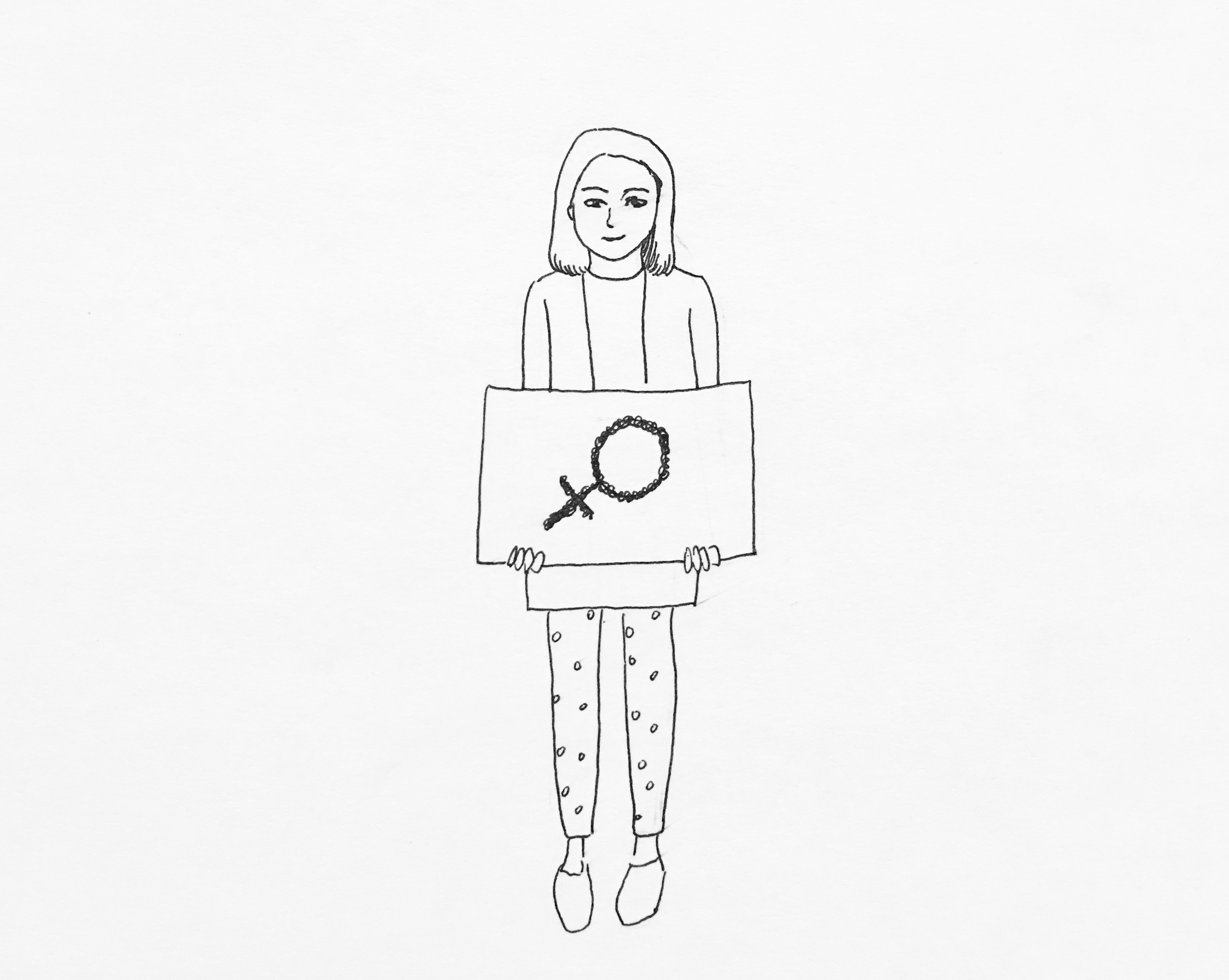
In this week’s edition of Blinks, our staffers reflect on recent moments of resistance, from marches to hunger strikes.
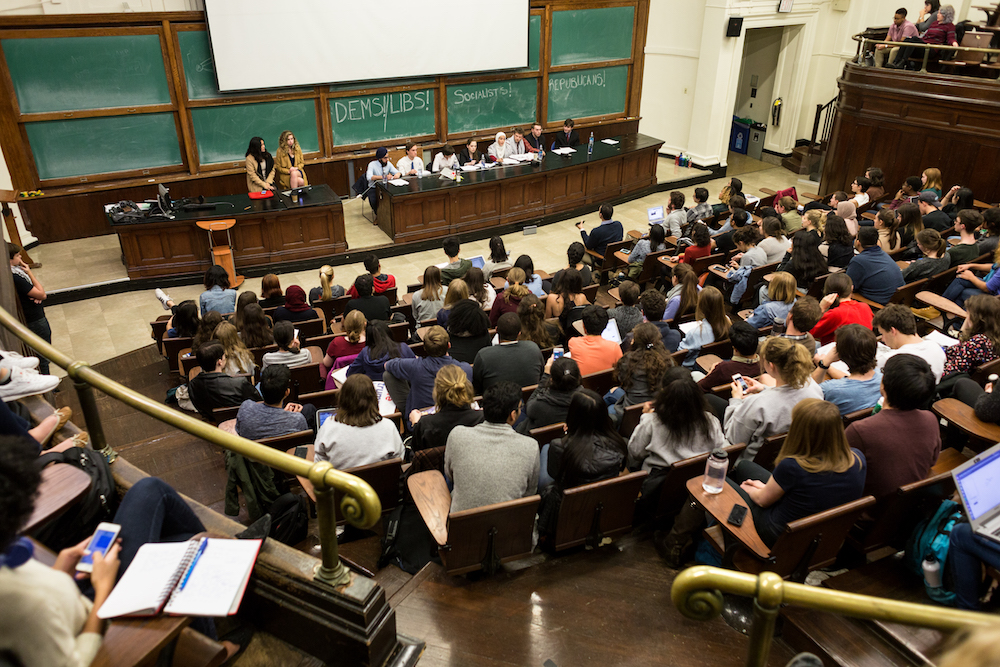
Editor’s note: In light of this issue’s “Resistance” theme, we’d like to present part two of a set of profiles featuring various campus political leaders. Especially under Donald Trump’s presidency, many students are realizing that it’s important to pay attention to and engage with politics, especially politics they don’t agree with on a national and local scale.
When The O’Reilly Factor sent Jesse Watters to Columbia earlier this month to investigate why so many American universities lean to the left, the reaction on campus was a mix of humor and outrage. Watters approached various Columbia students in front of the 116th Street and Broadway gates to ask them, among other things, about professorial bias and safe spaces. A few responded with answers conforming to the portrayal that Watters attempts to paint of Columbia: a school radicalized and bigoted toward conservatives.
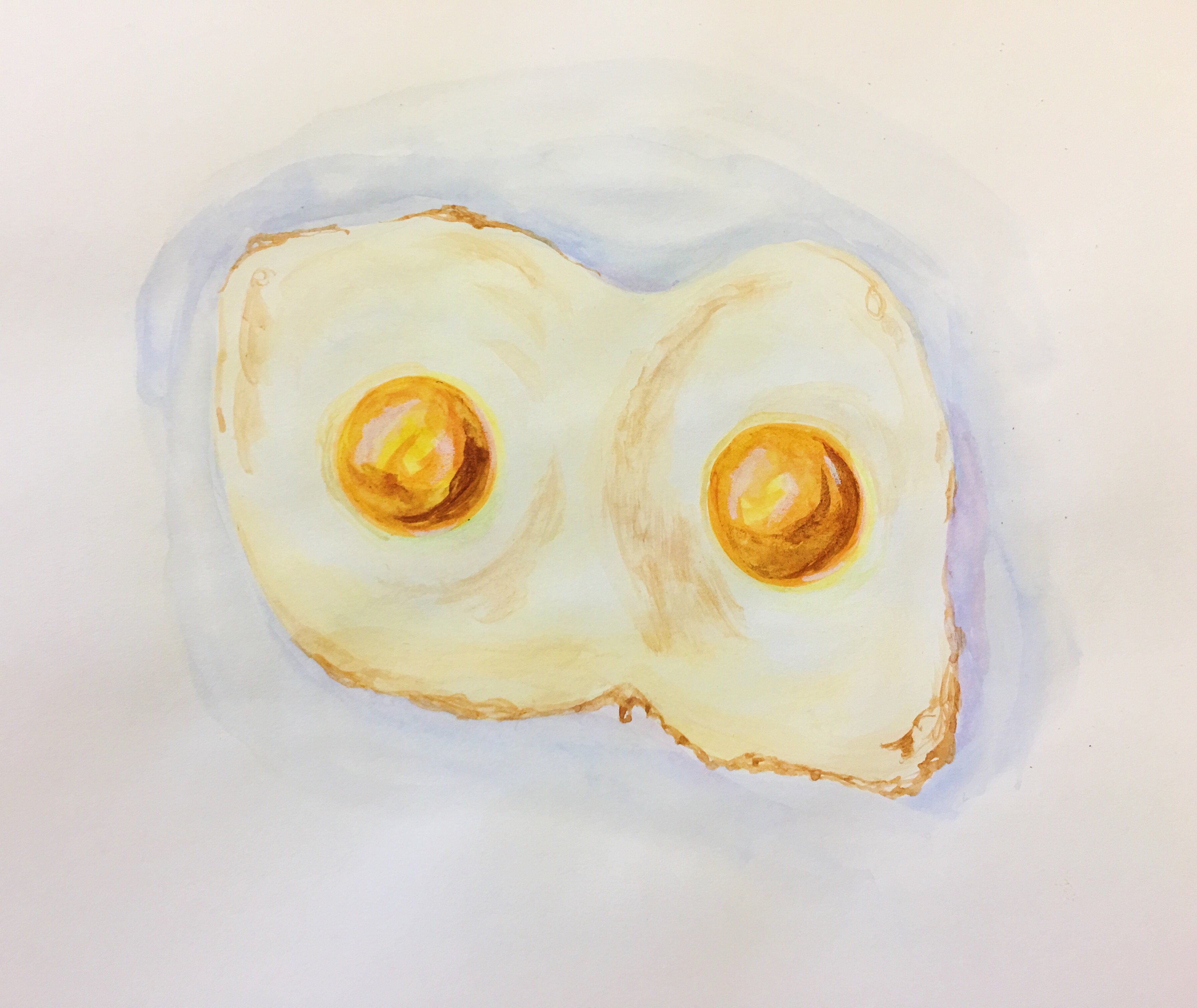
For this week’s Blinks, we asked our staffers to dig out the tiny traditions that have taken shape in their own day to day lives. The little pieces of repetition or habit that hold greater meaning. From paper submissions to salads, and late emails to libraries, here are the results: