

Marianna Najman-Franks
Latest articles
Updated on June 9 at 7:42pm.
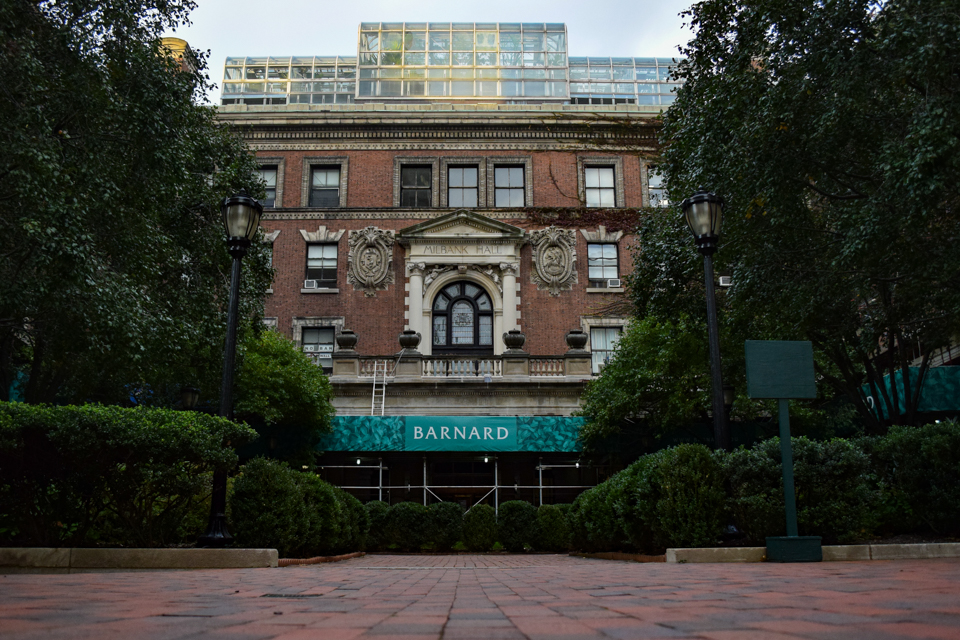
Barnard violated its collective bargaining contract with the Barnard Contingent Faculty Union when it did not pay unionized adjunct faculty stipends for teaching First Year Seminar courses, an independent arbitrator ruled. Barnard will have to reimburse all First-Year Seminar stipends—$2,000 per section to nearly a dozen adjuncts—from 2017 through 2019 within the next thirty days.
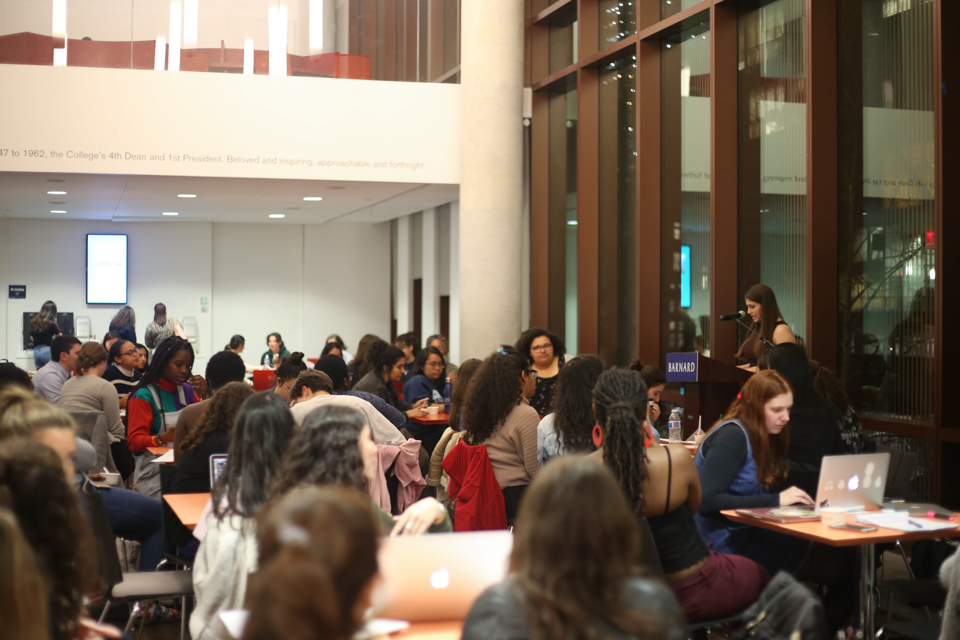
Candidates for Barnard’s Student Government Association presented platforms that advocated for increasing resources for low-income, queer, trans and non-binary students at the candidate forum on Tuesday.

Leslie Grinage will serve as Barnard’s new Dean of the College, following a nearly yearlong search since the departure of Avis Hinkson, BC ’84, last August, President Beilock announced in an email sent to the student body on Monday.
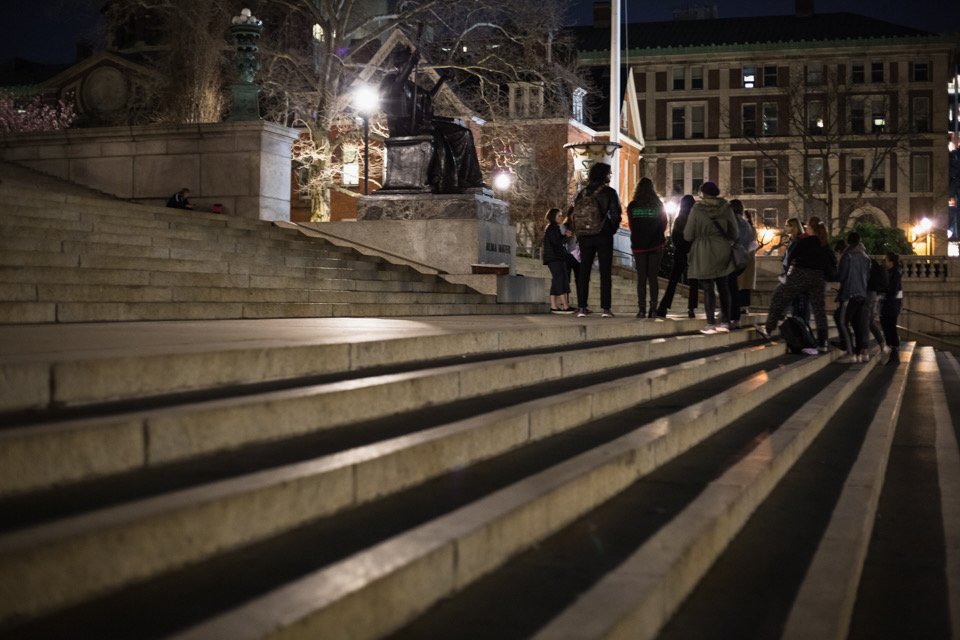
Members of the Columbia and Barnard community expressed the need for an intersectional approach to sexual assault and sexual violence on campus at the annual Take Back the Night rally on Low steps and following speak-out at Barnard on Friday evening.
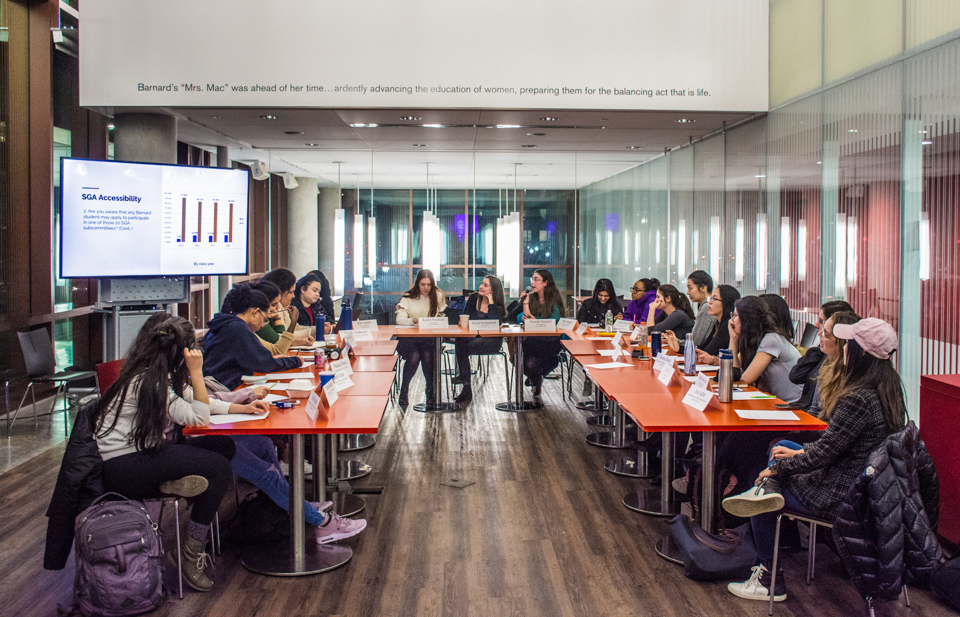
When Kim Samala, BC ’20, ran for Barnard’s Student Government Association, she was excited at the prospect of representing the student body in her role as vice president of communications. But now, after two semesters on SGA, Samala said she has faced significant challenges as the only person of color on the Executive Board on top of doing the work she was elected to do on a daily basis.
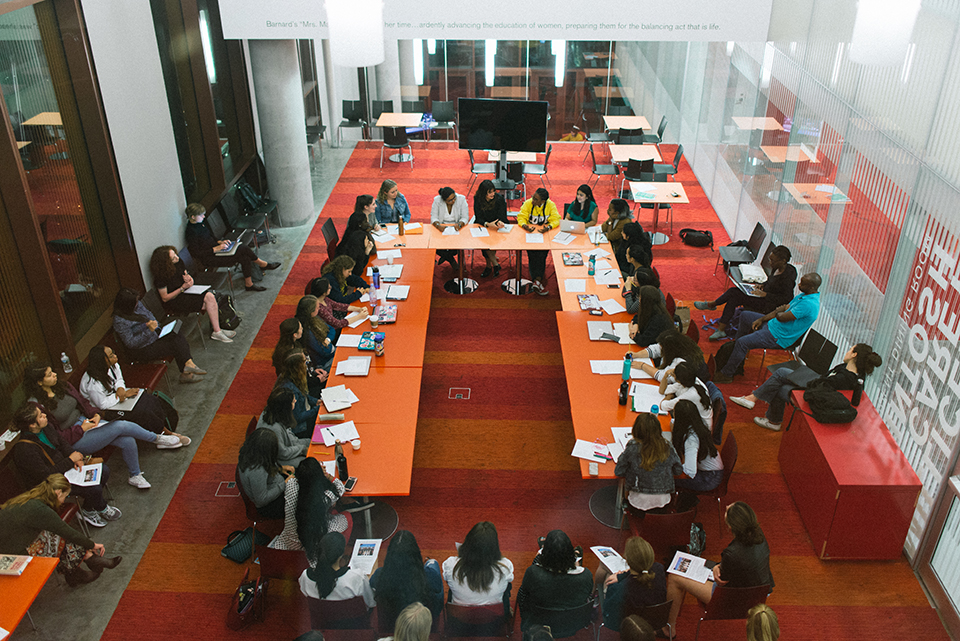
Barnard students are largely frustrated with the current shortage of Barnard jobs available for work-study recipients, the results of the semesterly Desserts After Dark survey, which was presented to Barnard’s Student Government Association on Monday night, have shown. Respondents also expressed in the survey a desire for a more transparent relationship between SGA and the administration and lack of awareness about confidential resources for issues related to Title IX on campus.

Representatives of Barnard’s Student Government Association pressed Public Safety administrators about their role in responding to incidents of racism at SGA’s weekly meeting on Monday, revealing a sizeable disconnect between student perception of Public Safety’s responsibility in maintaining campus safety and officers’ actual legal limitations.

A panel of undergraduate students, faculty, and administrators discussed slavery’s history at Columbia and its lasting impact on the University’s relationship with black communities at an event titled Beyond Imposter Phenomenon on Thursday.
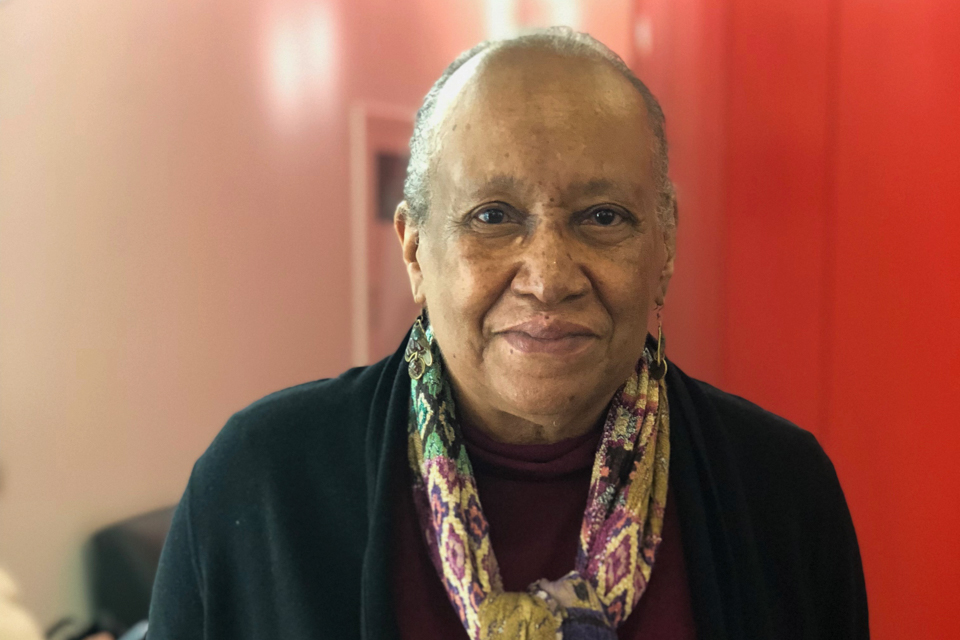
In honor of Black History Month, Spectator is publishing a series of profiles on notable black alumni scholars, activists, leaders, and more whose stories we have previously overlooked and failed to cover. The second article in the series features Roberta “Bobbi” Yancy, BC ’62, a civil rights activist who fundraised for the Student Nonviolent Coordinating Committee during its tenure as one of the more radical organizations mobilizing young people in the 60s. Before her interview with Spectator, Yancy had not been contacted by Barnard nor returned to campus since graduation.