

Olivia Doyle
Latest articles

In 1998, the Texas Department of Criminal Justice banned Toni Morrison’s novel “Paradise” from state prisons for fear that it “might incite a riot.” Recalling this incident almost 20 years later, Morrison chuckled: “How powerful is that? I could tear up the whole place!”

The cast and crew of the 126th Annual Varsity Show hosted the West End Preview for an intimate audience in the Glicker-Milstein Theatre. This year, it was all about Bacchanal.

Her words reverberated throughout the classical dome of Low Library’s rotunda, evoking the ancient Greek literature to which she alludes in her plays. She began with her first of a million suggestions: “Entertain all your far-out ideas.” She paused, looking up at the expansive ceiling and out at the sea of faces before her in Low Library’s rotunda. “It sounds good in here.”
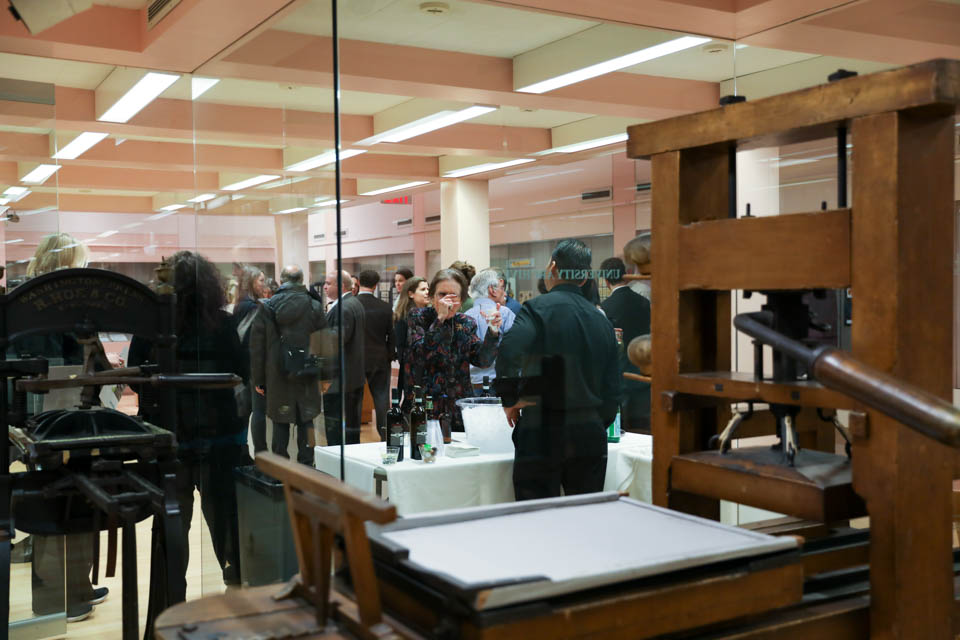
Water and the treasured manuscripts archived in Butler’s Rare Book & Manuscript Library don’t usually mix, and for good reason. On Tuesday evening, however, the library combined the two in an exhibition titled “Awash in Books: Books for the Year of Water,” featuring a variety of pieces to celebrate and explore how we use Earth’s most precious resource.
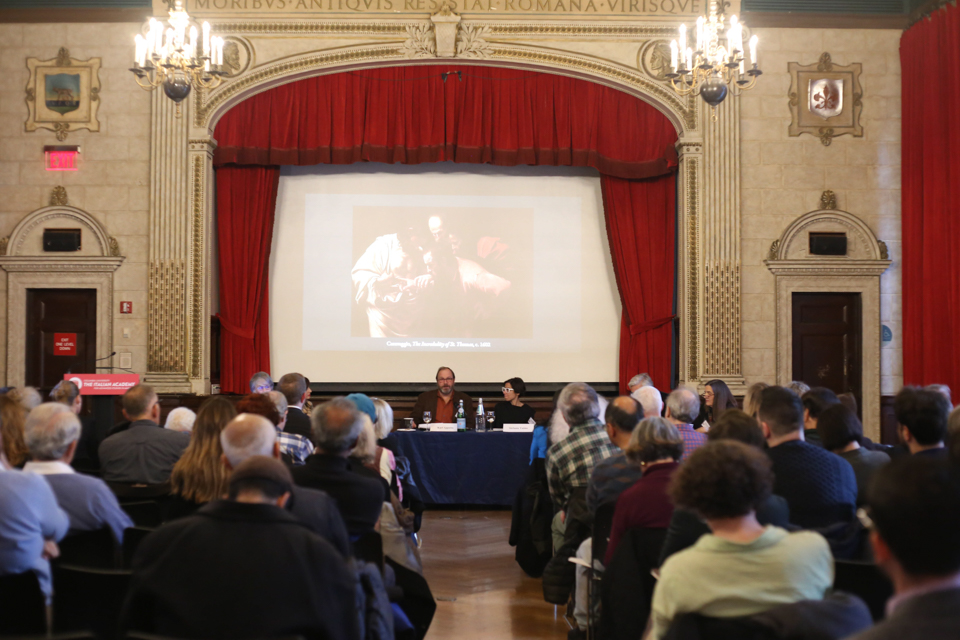
Italian artist Caravaggio’s painting “The Incredulity of St. Thomas” features his characteristic use of chiaroscuro, or the dramatic use of light and shadow. But what is most remarkable about the image is not only the artist’s rendering of the scene but also the subject matter itself: St. Thomas leans towards Christ, poking at his flesh in disbelief of Christ’s resurrection.

An ornate image of bucolic gardens inhabited by lounging Turkish poets engaged in conversation took up the screen in Schermerhorn’s eighth floor lecture hall. Though seemingly purely decorative, these manuscript images told a story in reflecting the essential values of Ottoman life during the 16th century.
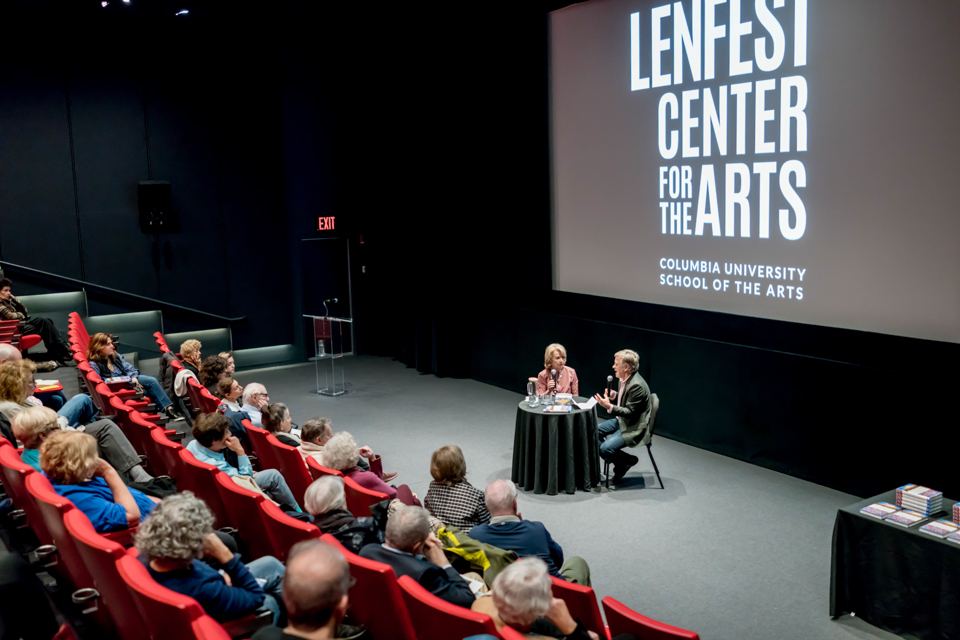
“Bottom-up history” looks at how larger ideas and conflicts affect people’s everyday lives. Ted Conover, New York University professor and director of the Arthur L. Carter Journalism Institute, sees people, especially families, as “narrative units”—a way to tell history through personal stories.

The ornate ceiling and dramatic red curtains framed the auditorium screen that displayed the return of the Obelisk of Axum to Ethiopia. Museum of Modern Art curator Ugochukwu-Smooth Nzewi spoke of the importance of the obelisk’s physical return, as well as its cultural implications, while the audience watched the airplane to Ethiopia take off onscreen.
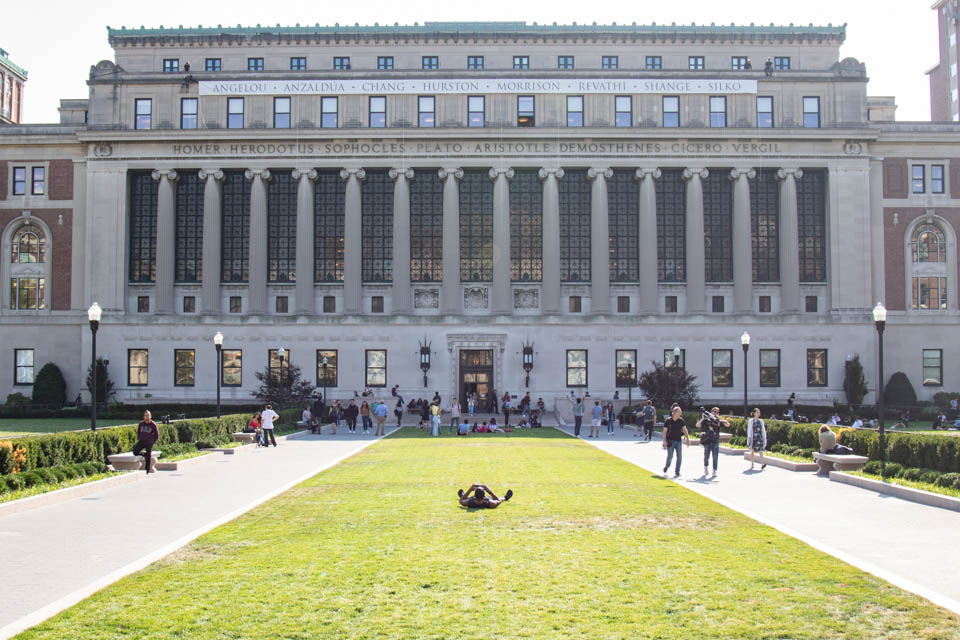
The newly unfurled Butler Banner will hang on the façade of Butler Library for the rest of the semester, exhibiting the names of eight female-identifying authors. The project’s mission doesn’t stop at simply showing students these names as they pass by or walk into the library; it aims to get students talking about the authors and their legacies.