

Katie Levine
Arts & Entertainment Deputy EditorLatest articles

As the spring term begins, thousands of Columbia students have returned to campus. Despite facing economic challenges during the COVID-19 pandemic, many local galleries and art-related businesses continue to offer a diverse array of artistic experiences for Columbia students, ranging from exhibitions confronting the pressing issues of race and gender inequalities to craft and pottery workshops that provide an opportunity to step away from the screen and into the studio.
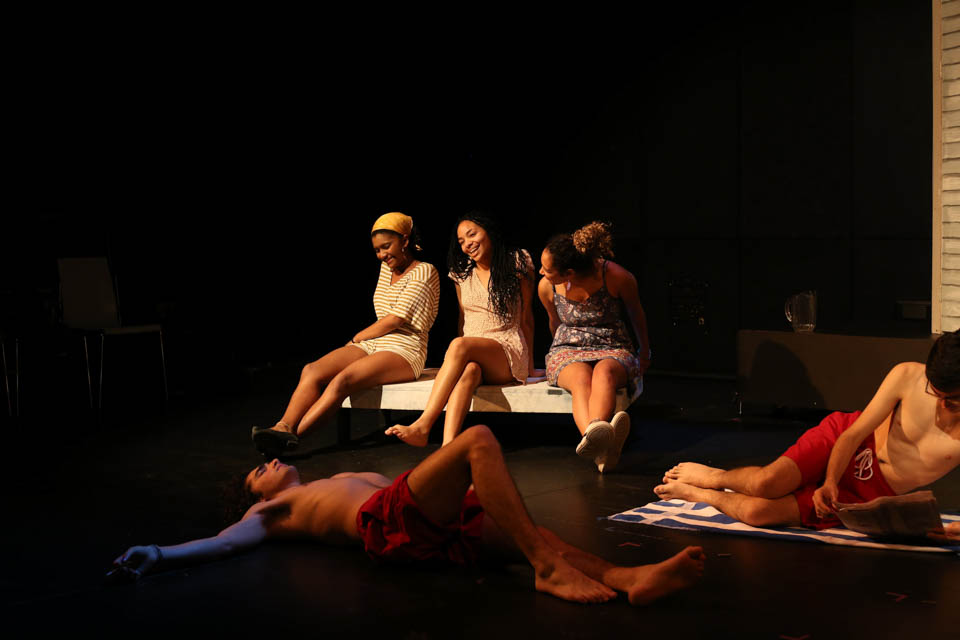
While the curtains remain closed, stage lights off, and plush seats empty, Columbia’s theater groups will not stay silent this fall. Through an array of festivals, cabaret performances, mainstage productions, and even a radio show, performance groups are coming together virtually to bring theater to the Columbia community from across the world.
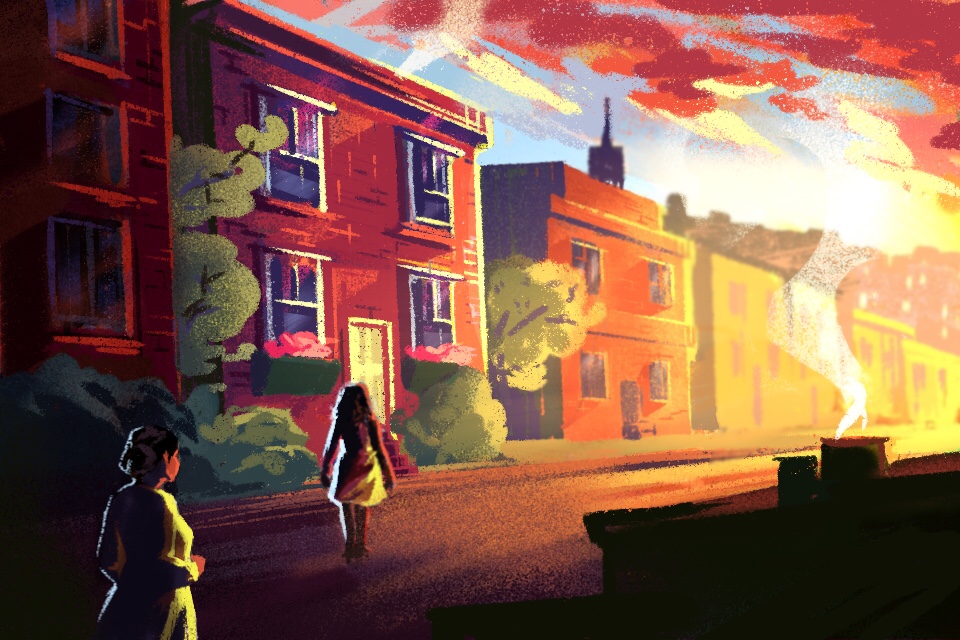
For Columbia’s student theater groups, the spring semester is when creative teams, actors, and designers produce a crowded roster of musicals and plays. Beginning in January, creative teams begin planning, casting, and constructing their upcoming productions. Amid the COVID-19 crisis and cancellation of on-campus activities, however, all student-led theater groups have been forced to cancel or postpone their shows until the fall semester.

When Columbia announced students’ departure from campus amid the COVID-19 pandemic in early March, Samuel Powell, CC ’20, was working with his classmates to create a new adaptation of Euripides’ “Medea” for the acting course entitled Performing Greek Tragedy on the Modern Stage. Prior to the evacuation of students, Powell’s group reimagined the play, setting it amid a quarantine in which characters communicated over video, incorporating the play’s themes of isolation and distance.
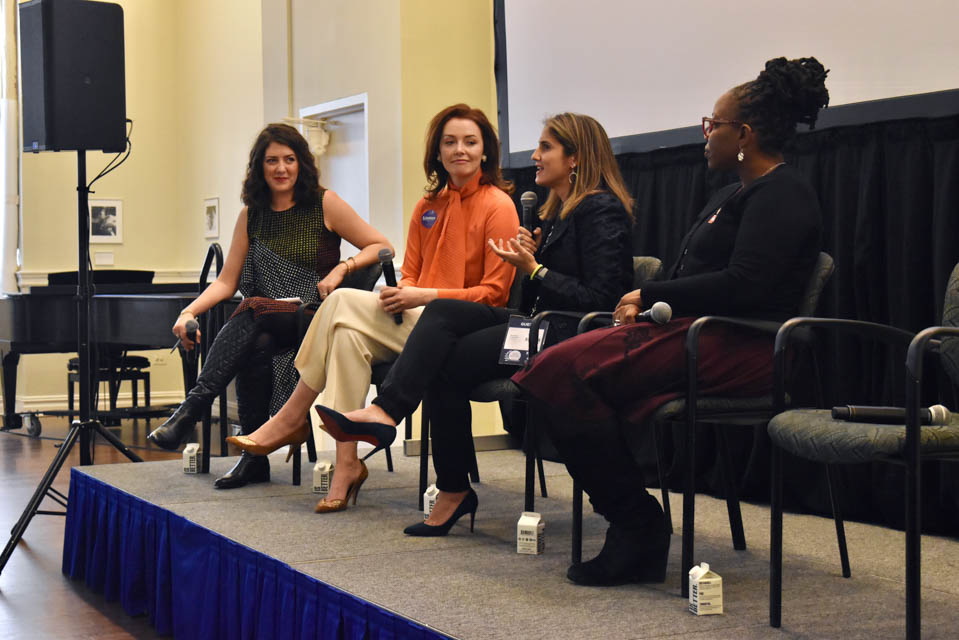
You can’t be what you can’t see, and the 10th Athena Film Festival took that mantra of representation to heart this year. Through a series of screenings and panel discussions, the festival shined a spotlight on the lack of LGBTQ representation in the media, the dearth of female heroes and villains in popular culture, and the inspiring women who are running for office and changing the male-dominated political landscape.
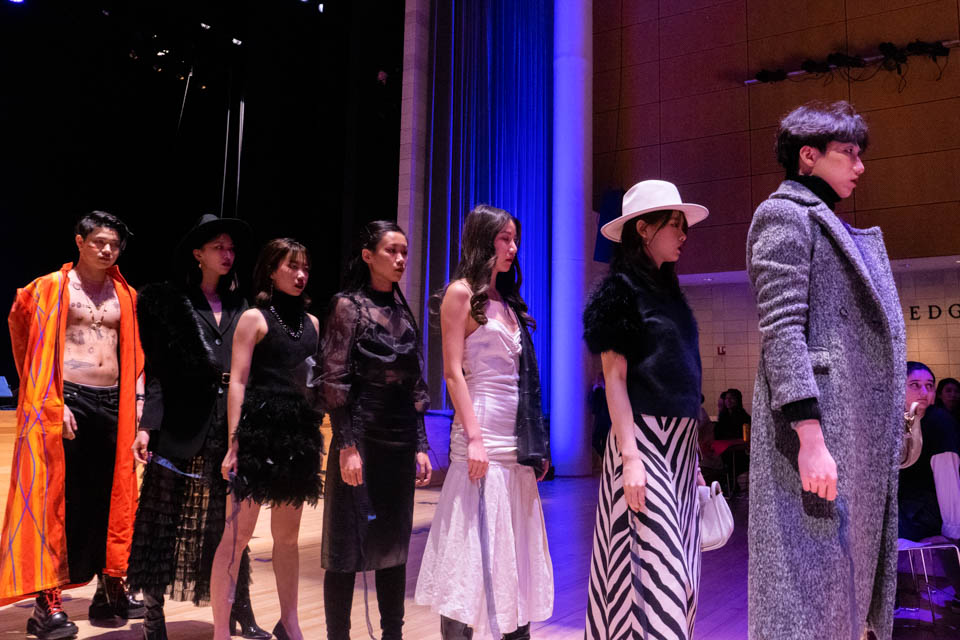
Hundreds of students flocked to their seats in Roone Arledge Auditorium, their arms full of complimentary sweets and bottled green tea. Tables were covered with signature red tablecloths, boba drinks, and take-out box lanterns; the atmosphere buzzed with lively conversations as the house lights dimmed to blue.

Alexandra Waterbury, GS ’21, brought forward allegations of sexual harassment against New York City Ballet dancer Amar Ramasar in September 2018. Despite the ongoing court battle, Ramasar was cast in Broadway’s edgy revival of “West Side Story” as Bernardo, one of the central roles. On Thursday night, dozens of protesters gathered on the sidewalk in front of Broadway Theatre before the opening performance to protest his casting.

New York is considered one of the fashion capitals of the world and a hub of constant innovation. Busy streets are permeated with vibrant colors and textures expressing diverse personalities, cultures, and backgrounds.

Green, leafy bamboo stalks and a simple white house covered in cherry blossoms fill the stage, which is lit softly in blue hues. All of a sudden, a white rabbit runs across the stage, and the theater transforms into Wonderland.

Pastel tulle and strings of marigolds lined the walls of Roone Arledge Auditorium as fairy lights lit up the stage and yellow flower petals laid scattered around the venue’s floor. The smell of samosas wafted through the room as students and visitors mingled over chai, slowly taking their seats, eager for the night ahead.