

Lizzie Green
Latest articles

Trained dancers might believe that dance requires a vast studio space equipped with marley floors and tall mirrors. But today, faced with the COVID-19 pandemic and the resulting closure of studio space, dancers across the world are taking first position at makeshift ballet barres in their kitchen or spinning around on tile floors in their socks.

What does a typical ballet duet look like? Perhaps it is a depiction of a heteronormative couple, where the woman wears pointe shoes and is spun, contorted, and hurled through the air at the mercy of her male counterpart. But in her work “paired reflections,” choreographer Mari Meade strives to challenge this prototype.
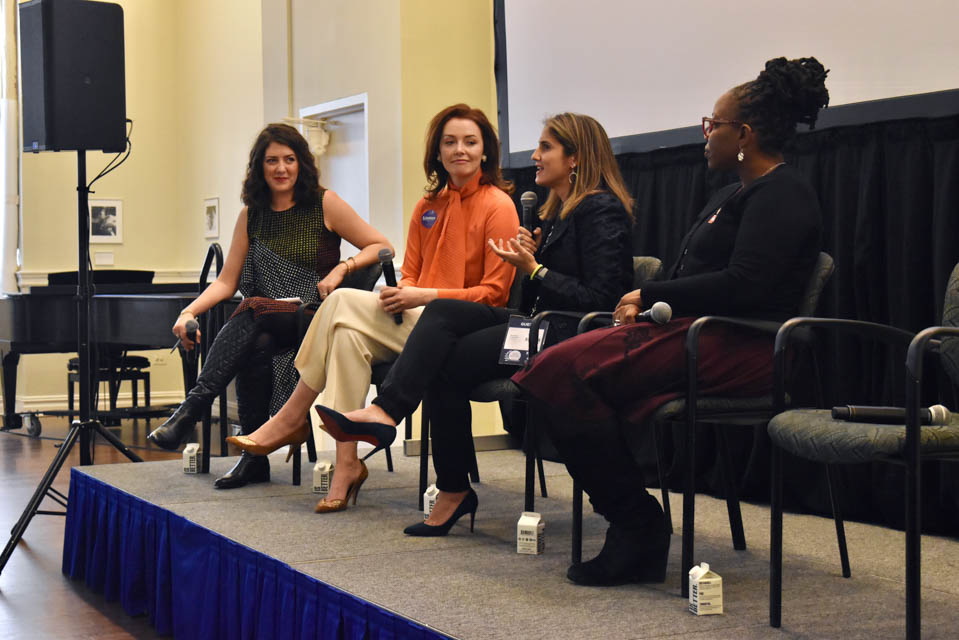
You can’t be what you can’t see, and the 10th Athena Film Festival took that mantra of representation to heart this year. Through a series of screenings and panel discussions, the festival shined a spotlight on the lack of LGBTQ representation in the media, the dearth of female heroes and villains in popular culture, and the inspiring women who are running for office and changing the male-dominated political landscape.

If you take a look in your desk drawers, you may notice objects that have sat there uselessly for months but evoke memories so rich that you are unable to part with them. Choreographer Zoe Novello, BC ’21, sees endless opportunities embedded within these objects, using dance as a means to reconnect with the past through the body.

A School of General Studies student by day, Christina Clark straps on her pointe shoes by night to perform with New York City Ballet, one of the nation’s premier ballet companies.
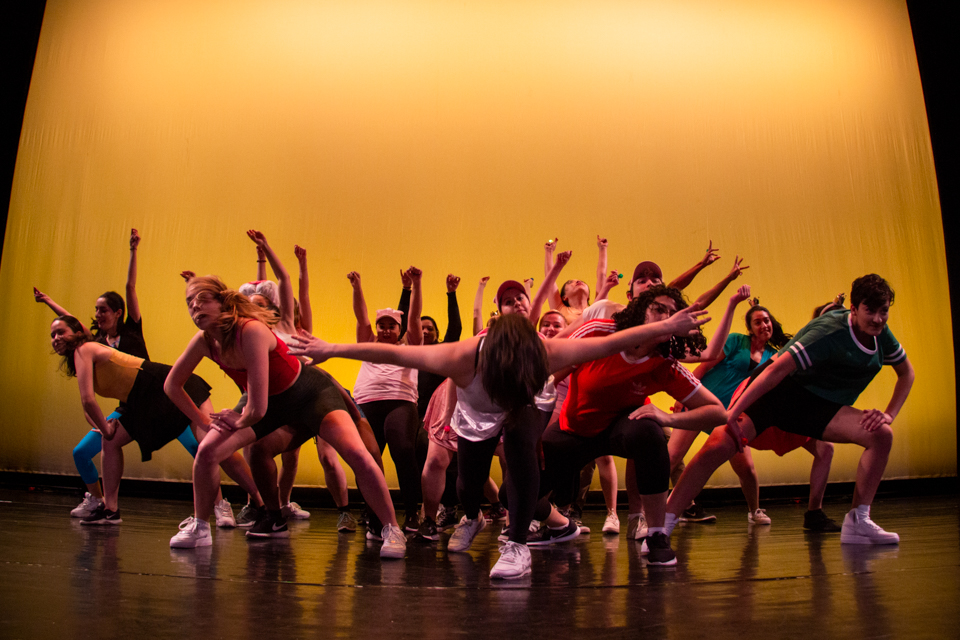
Taking the dance floorchesis, dancers jump and soarchesis, leaving audiences wanting morechesis. This is “Life in ColOrchesis.”
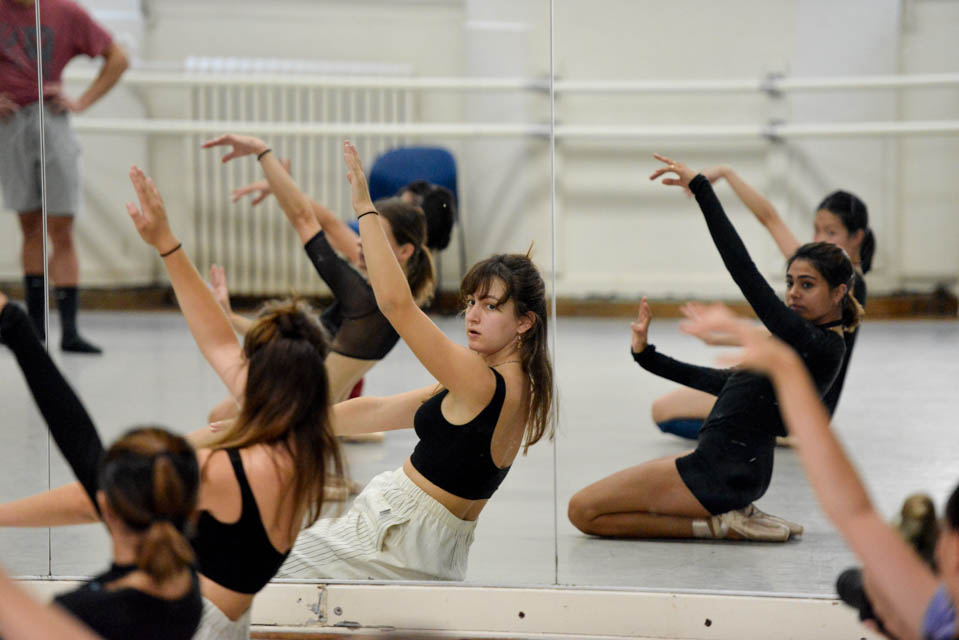
Screaming crows, the personification of death, and ’70s experimental rock music may at first seem like an unconventional combination when juxtaposed with neoclassical ballet. Yet all serve as the foundational backdrop for a new work choreographed by Sarah Marazzi-Sassoon, BC ’22, for the Columbia Ballet Collaborative this semester.

Each week, close to 1,200 students take dance classes at Barnard. This abounding interest in dance is supported by a vibrant extracurricular performing arts scene, home to dozens of dance groups ranging in style from tap to contemporary to Bhangra. Out of these organizations, three dedicate their efforts to the ballet form.
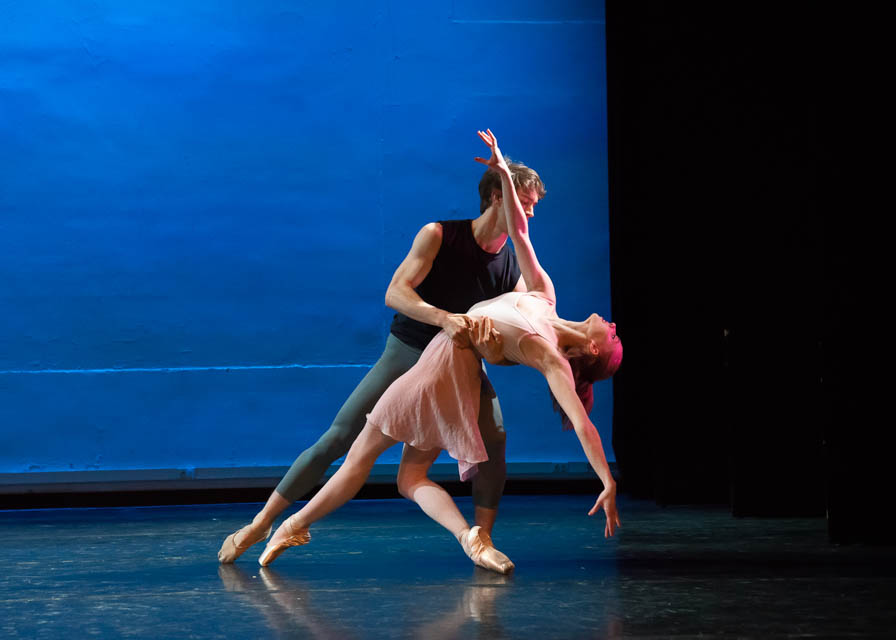
As the familiar melody of the Super Mario Bros. 2 soundtrack pierced the soundscape, audience members could not help but erupt in infectious laughter. The juxtaposition of ballet and tunes from the popular video game was as pleasantly surprising as it was choreographically well executed.

Updated at 11:15 p.m. on April 24.