

Harris Walker
Latest articles
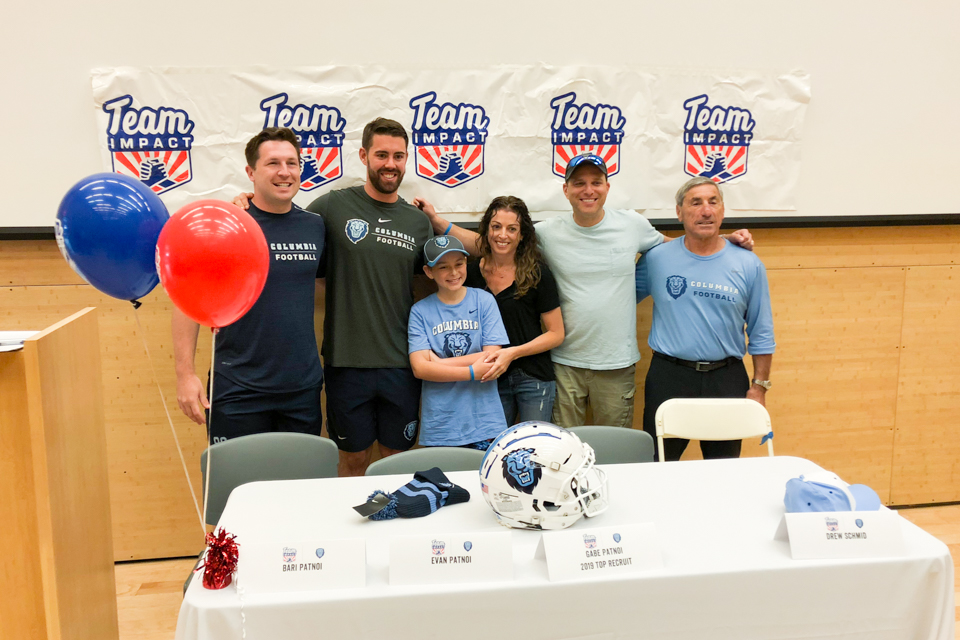
In a ceremony attended by the entire Columbia football team and hosted in collaboration with the nonprofit Team IMPACT, the Lions made 12-year-old Gabe Patnoi the 124th member of the team when he signed an official letter of intent on Saturday morning.
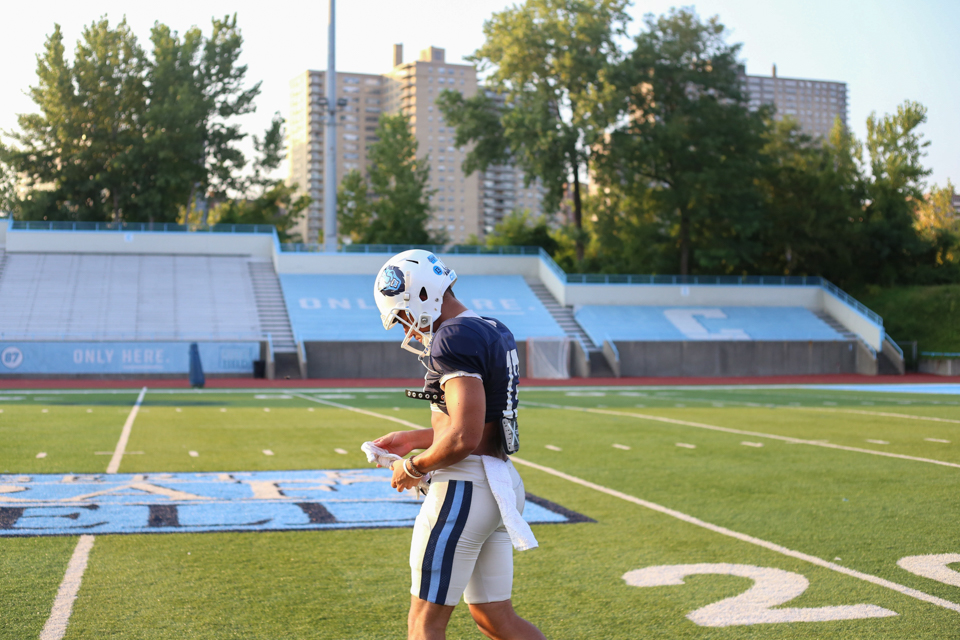
Last season did not go the way senior Josh Wainwright expected. Coming off of a 2017 season in which the Lions had finished 8-2 and Wainwright himself had hauled in 78 receptions for 1,001 yards and eight touchdowns, hopes were high for the star wide receiver. But, his 2018 season was over before it ever really began, as he tore his ACL in the second quarter of the season opener against Central Connecticut State.

In a preseason matchup featuring the two winningest active head coaches in college football, Columbia took on Montclair State in a scrimmage on Friday—the Lions’ only test against a real opponent before kicking off the season.
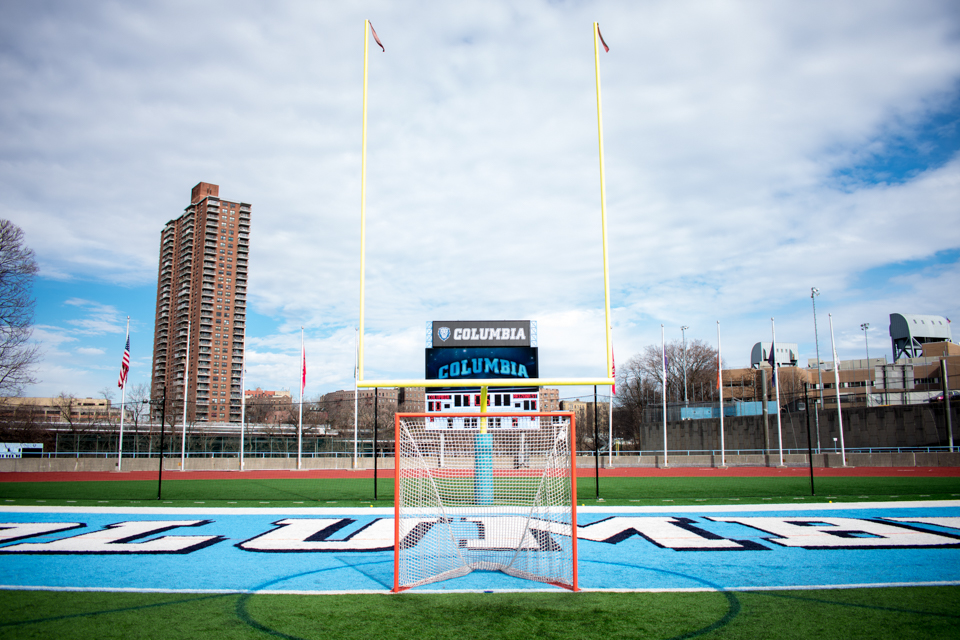
The expectations were high for the Lions (10-5-1, 5-2 Ivy) coming into the 2018 season, and the team fell just short of the mark, finishing second in the Ivy League after a close final match against Cornell in which the Light Blue fell in overtime. The team had a five-game winning streak before losing to Cornell, blanking two of its Ivy League competitors. Following the departure of the team’s arguably two strongest players—goalkeeper Dylan Castanheira and midfielder Dylan Mott—it’s unclear whether Columbia will be able to win the Ivy League. However, many remaining veterans have the potential to carry the team to an Ancient Eight crown, such as senior midfielder John Denis, senior midfielder Vana Markarian, and junior defender Blake Willis.

With the start of the college football season fast approaching, senior linebacker and co-captain Michael Murphy, senior defensive lineman Daniel DeLorenzi, and head coach Al Bagnoli traveled to ESPN headquarters in Bristol, Connecticut on Thursday for Ivy League Football Media Day.

The Columbia University fencing team won its fifth co-ed team national championship, making it the team’s third title in the past five years.

The scene took place in the Studebaker Building on 132rd street, the location of the Office of Labor Relations, in a medium-sized room with rows of folding tables and chairs at 1:30 p.m.
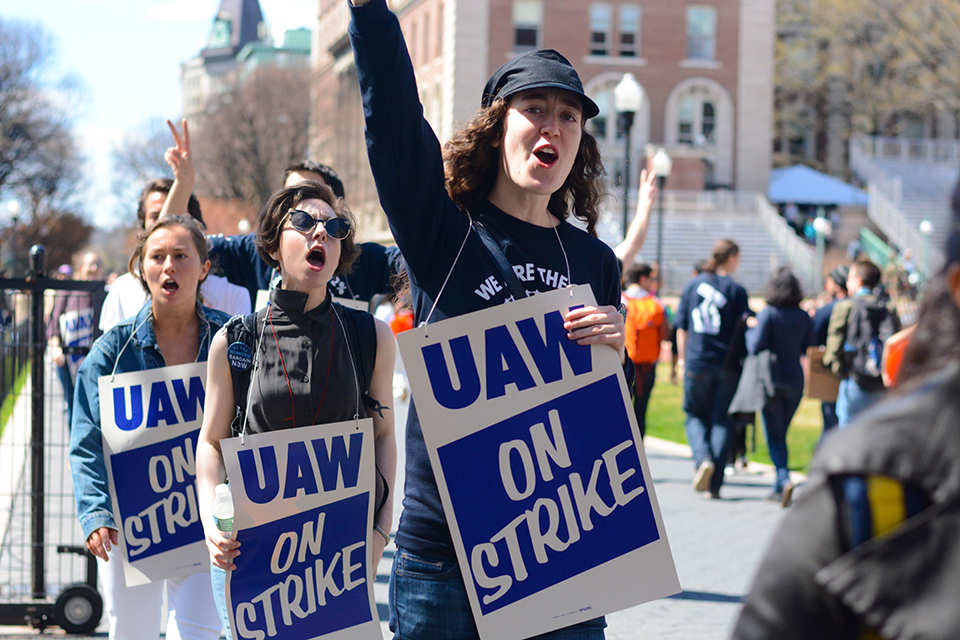
With negotiations between Graduate Workers of Columbia and the administration set to begin by the end of the month, a new wave of bargaining committee members is looking to disrupt the traditional bargaining process, intending to leverage the union’s seat at the table to throw support behind issues such as climate change, the Boycott, Divestment, Sanctions (BDS) movement, and anti-gentrification campaigns.

With bargaining talks set to begin in February, members of the graduate student union plan to redouble their negotiation efforts on attaining grievance procedures. Up to this point, the University has indicated a greater willingness to make monetary concessions.
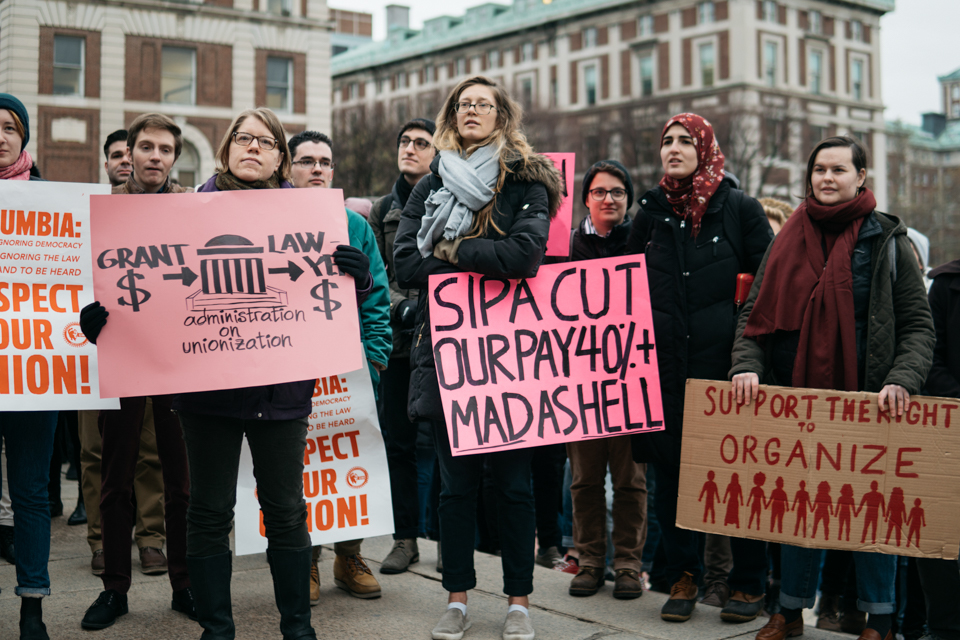
Columbia’s pre-bargaining framework with postdoctoral and graduate student unions—the first unions of their kind to have a legally binding agreement with a university prior to any bargaining efforts—treads into little-explored legal territory, introducing questions about where to draw the line between academic and labor issues, according to legal experts. The framework also does not guarantee a contract resolution, meaning that the promise to bargain does not necessitate a legal contract for either union.