

Abby Rooney
Latest articles

As a first-year, I joined Spectator because I wanted to write theater reviews. Four years later, I have yet to write one. That’s because the same things that made me qualified to write about theater—my passion for the art form, my deep knowledge of it, and my firsthand experience with it—drove me to get involved with the theater scene at Columbia, creating conflicts of interest that disqualified me from writing about the thing I love most. It’s the classic dilemma of the college newspaper: In a small and insular community, there is often overlap between those who write and those who are written about, and it can be difficult to disentangle them.
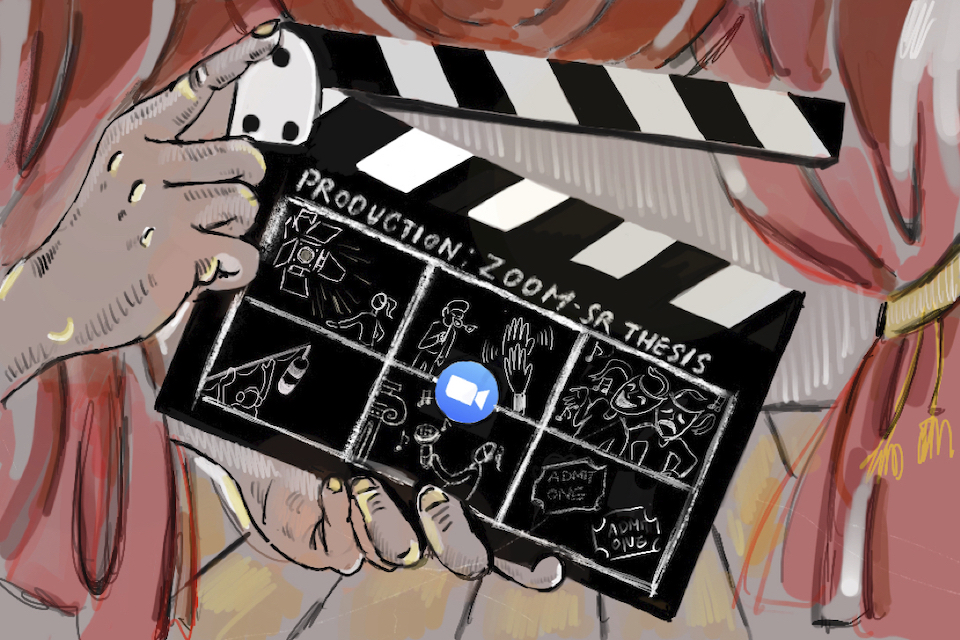
As an art form, theater is defined by hands-on collaboration, the thrill of live performance, and the real-time connections that audiences forge with the actors and the story onstage. None of those defining elements of theater seem feasible in the age of social distancing. Still, Columbia and Barnard’s theater department faculty never considered canceling the senior thesis festival for directing students.

Harvey Weinstein, the film mogul whose patterns of sexual harassment and assault have been a public secret in the industry, was recently convicted of rape by a jury of seven men and five women in the New York Supreme Court. At the Athena Film Festival on Saturday, a panel of “silence breakers” in the entertainment industry reacted to the outcome that they called “unfathomable” and spoke about the work they’ve done to shift the culture—emphasizing how much work we have yet to do.

Jay-Z was met with a standing ovation upon entering The Forum on Columbia’s Manhattanville campus. While Beyoncé—yes, you read that right—slipped inconspicuously into her seat in the audience, Jay-Z sat down to speak on topics ranging from his musical influences to prison reform to his controversial partnership with the National Football League to his historic role in the landscape of hip-hop.
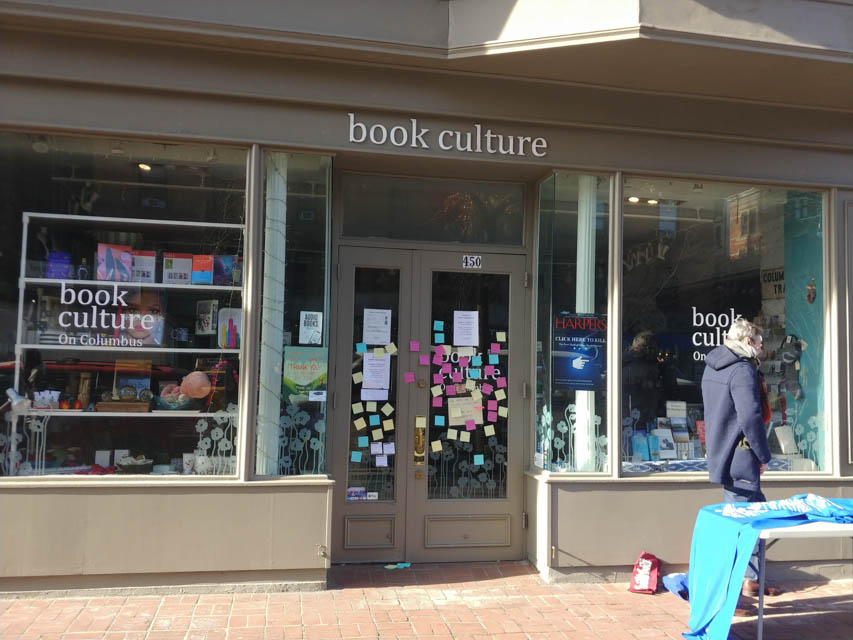
Book Culture’s location on Columbus Avenue will not reopen following its eviction on Jan. 7, according to a post on the bookseller’s Facebook page on Tuesday.

Book Culture’s location on Columbus Avenue is temporarily closed after it was “seized … unexpectedly, by our landlord,” according to a post on the bookseller’s Facebook page. The other three stores—including the 112th Street and Broadway locations that are frequented by Columbia students—remain open.
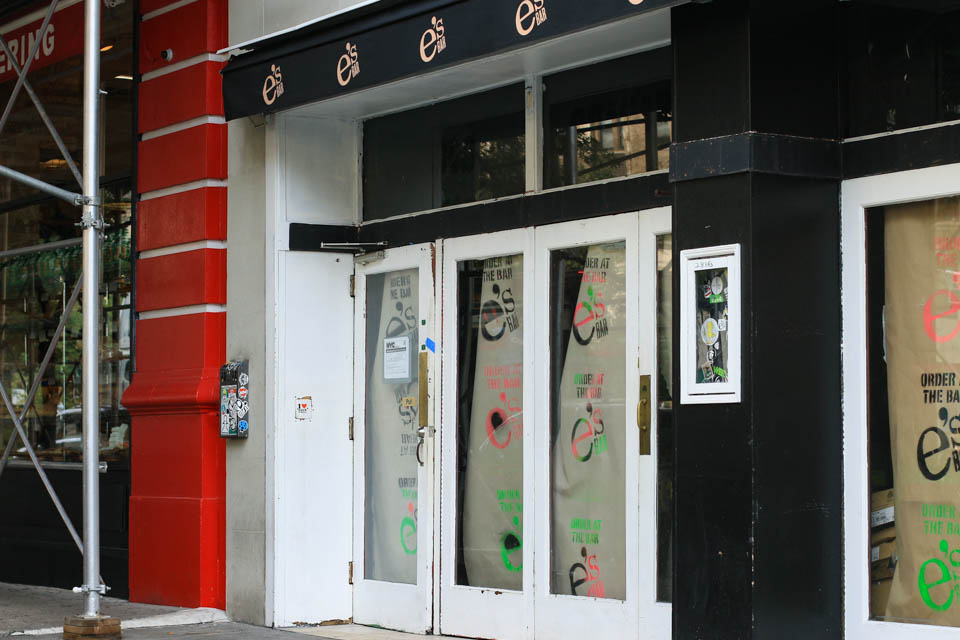
e’s BAR, located on Broadway between 112th and 113th Streets, has closed after just one year of operation, according to a message left on the door of the bar this week. Its flagship location at 511 Amsterdam Ave will remain open.

In lieu of a set and props, the horror of the scene is painted on Tecmessa’s face. Her husband, the warrior Ajax, is reeling from the death of his friend Achilles in the Trojan War. To add insult to injury, the army’s generals have passed him over for the honor of receiving Achilles’ armor. When his rage and grief drive him to despair, Ajax falls on his sword. After lamenting over his mangled body, Tecmessa turns to the audience, asking, “Who will lift him?” Her shift in focus is apt. The real play, after all, is in the audience.

The sound of a neuron’s crackling electrical activity resounded in the auditorium as the monkey came to a decision.

Bacchanal almost didn’t happen this year. At least, that’s the narrative the Bacchanal Committee propagated in the weeks leading up to the music festival, which was later revealed to be an elaborate prank on the student body.